




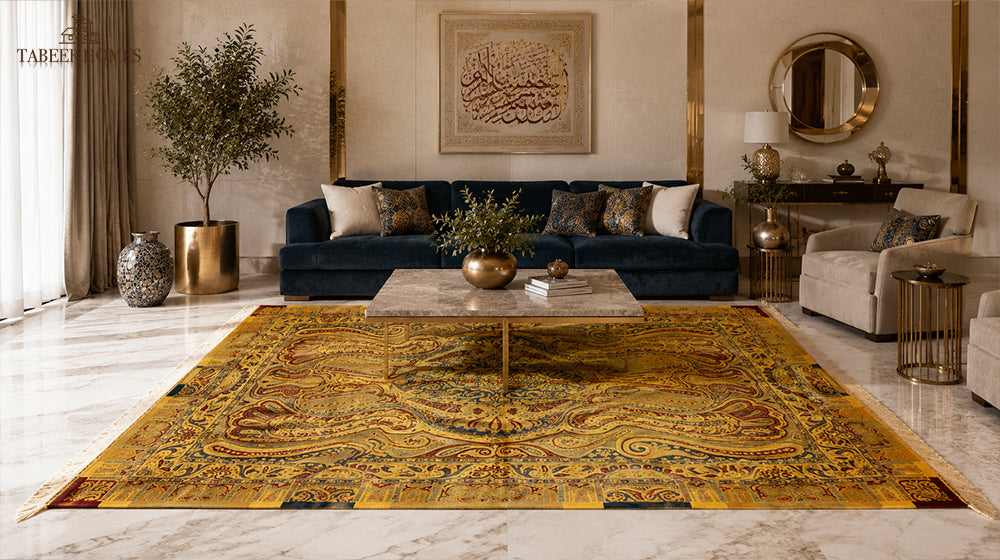
تُعد السجادة قطعة الأثاث التي تحدد بشكل مباشر كيفية الشعور بالقدمين في الغرفة، وكيف تبدو بصريًا، وكيفية ارتباط جميع قطع الأثاث الأخرى فيها ببعضها البعض. ترسي السجادة المختارة جيدًا ترتيب الجلوس، وتحدد اتجاه ألوان الغرفة، وتخلق الجودة الدافئة والطبقية التي لا يمكن لغرفة ذات أرضية صلبة وأثاث فقط تحقيقها. السجادة المختارة بشكل سيئ، سواء كان حجمها خاطئًا، أو ارتفاع وبرها غير مناسب لنمط استخدام الغرفة، أو علاقة لونها غير متناسبة مع الأثاث المحيط، تجعل الغرفة تبدو غير مستقرة ومنتهية في نفس الوقت، وهو الانزعاج الخاص لغرفة تم تأثيثها ولكن لم يتم حلها. يتجه مشترو السجاد في الكويت في عام 2026 نحو سوق يتميز بتنوع أكبر في الخيارات وقنوات البيع بالتجزئة ومستويات الجودة مقارنة بأي وقت مضى، مما يجعل إطار الشراء أكثر قيمة من قائمة المنتجات. يغطي هذا الدليل هذا الإطار بالكامل.
لماذا يعتبر اختيار السجاد أكثر أهمية مما يتوقعه معظم المشترين
يشغل السجاد مساحة أرضية أكبر من أي قطعة أخرى منفردة في الغرفة المفروشة. في غرفة المعيشة التي تحتوي على ترتيب جلوس مكون من أريكة، وكراسي بذراعين، وطاولة قهوة، تكون السجادة الموجودة أسفل هذا الترتيب هي العنصر البصري الأكبر منفردة في الغرفة بعد الجدران والسقف. تُرى كل قطعة أثاث توضع عليها أو بالقرب منها في علاقة بها. يظهر لون الأريكة بشكل مختلف مع سجادة دافئة عنه مع سجادة باردة. تظهر مادة طاولة القهوة بشكل مختلف مع سجادة من الألياف الطبيعية المنسوجة عنها مع سجادة هندسية مسطحة النسيج. يتحدد الدفء أو البرودة العامة للغرفة بنبرة وملمس السجادة أكثر من أي قرار أثاث آخر منفرد.
تحمل السجاد في المنازل الكويتية متطلبات وظيفية محددة لا يأخذها المشترون في المناخات المعتدلة دائمًا في الاعتبار. الرخام، وبلاط البورسلين، والأرضيات الحجرية المصقولة هي معيار في جميع العقارات السكنية في الكويت، وجميعها صلبة، وعاكسة للصوت، وباردة الملمس على مدار العام بسبب تكييف الهواء. وبالتالي، فإن مساهمة السجاد في الراحة الحرارية، وتليين الصوت، والدفء النفسي للغرفة أكثر أهمية في المنزل الكويتي منه في عقار بأرضية مفروشة بالسجاد أو الخشب كسطح أساسي.
قواعد المقاسات التي تحدد ما إذا كانت السجادة مناسبة لموقعها
يُعد مقاس السجادة هو البعد الأكثر شيوعًا الذي يُساء تقديره في كل سوق، ولا يُعد بيع السجاد بالتجزئة في الكويت استثناءً. الخطأ الأكثر شيوعًا هو شراء سجادة صغيرة جدًا للغرفة أو لترتيب الأثاث الذي تخدمه، مما ينتج عنه مشكلة خاصة وهي أن الأثاث يبدو وكأنه يطفو على سطح السجادة بدلاً من أن يكون ثابتًا بها.
تختلف قواعد المقاسات حسب موضع الغرفة ويجب تطبيقها قبل اتخاذ أي قرار بشأن النمط أو المادة.
سجاد غرف المعيشة
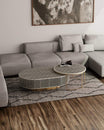
يجب أن تكون سجاد غرف المعيشة كبيرة بما يكفي لاستيعاب الأرجل الأمامية لكل قطعة أثاث جلوس أساسية ضمن الترتيب: الأريكة، وكراسي بذراعين، وكراسي الزينة، إن وجدت. التوجيه القياسي هو أن تجلس الأرجل الأمامية على الأقل من كل أريكة وكرسي على سطح السجادة. السجادة التي تكون فيها جميع أرجل الأثاث بالكامل على السجادة صحيحة بنفس القدر وتنتج منطقة جلوس أكثر إحكامًا وحميمية. السجادة التي لا تلامسها أي أرجل أثاث تُقرأ كعنصر زخرفي بدلاً من كونها مرساة وظيفية للترتيب.
لترتيب جلوس غرفة معيشة كويتية قياسية مع أريكة ثلاثية المقاعد وكرسيين بذراعين، تقع سجادة بمقاس 240 × 300 سم ضمن نطاق المقاس الصحيح لمعظم أبعاد الغرفة. لغرفة استقبال بحجم فيلا أو مجلس بتكوين أريكة أكبر وجلوس إضافي، يلزم سجادة بمقاس 300 × 400 سم أو أكبر لتثبيت الترتيب بشكل متناسب.
يعد تكوين السجادة بمقاس 2 × 3 أمتار، أي 200 × 300 سم، هو الحجم الأكثر شيوعًا في جميع أماكن المعيشة الكويتية ويناسب ترتيب الأريكة القياسي بثلاثة مقاعد مع مساحة أرضية كافية من جميع الجوانب. يعمل هذا الحجم في الغرف التي تتراوح مساحتها بين 20 و 30 مترًا مربعًا حيث يكون ترتيب الجلوس هو المنطقة الرئيسية في الغرفة دون التنافس مع مناطق وظيفية أخرى.
سجاد غرف النوم
تتبع سجاد غرف النوم منطقًا مختلفًا في تحديد المقاسات عن قطع غرف المعيشة لأن ترتيب الأثاث في غرفة النوم ثابت، وتتمثل الوظيفة الأساسية للسجادة في توفير سطح دافئ وناعم تحت الأقدام عند النقاط التي ينزل فيها الشخص من السرير ويتحرك في الغرفة.
لسرير مزدوج أو كبير قياسي، يجب أن تمتد السجادة الموضوعة بحيث يتوسط مركزها مركز السرير، بما لا يقل عن 60 سم خارج السرير من كل جانب، وما لا يقل عن 90 سم خارج قدم السرير. يوفر هذا للشخص على كل جانب من السرير سطح سجادة للخطو عليه بدلاً من البلاط العاري، وهو أمر في غرفة نوم كويتية حيث البلاط هو الأرضية القياسية وتكييف الهواء يعمل باستمرار، يعتبر اعتبارًا يوميًا مهمًا للراحة.
أحجام سجاد غرف النوم الشائعة لغرف النوم الكويتية حسب حجم السرير:
- سرير مزدوج (عرض 140 سم): سجادة لا تقل عن 200 × 250 سم، والأفضل 240 × 300 سم
- سرير ملكي (عرض 180 سم): سجادة لا تقل عن 240 × 300 سم، والأفضل 270 × 360 سم
- سرير كبير جدًا (عرض 200 سم): سجادة لا تقل عن 270 × 360 سم، والأفضل 300 × 400 سم
|
الغرفة والأثاث |
الحد الأدنى لحجم السجادة |
الحجم المثالي للسجادة |
التكوين القياسي |
|
غرفة المعيشة، أريكة بثلاثة مقاعد |
200 × 280 سم |
240 × 340 سم |
جميع الأرجل الأمامية على السجادة |
|
غرفة المعيشة، أريكة على شكل حرف L |
280 × 350 سم |
300 × 400 سم |
الترتيب الكامل محتوي |
|
غرفة النوم، سرير ملكي |
240 × 300 سم |
270 × 360 سم |
60 سم لكل جانب، 90 سم عند القدم |
|
غرفة الطعام، طاولة بـ 6 مقاعد |
300 × 350 سم |
330 × 380 سم |
جميع الكراسي على السجادة عند سحبها |
|
سجادة 2 × 3 أمتار |
200 × 300 سم |
غرفة معيشة شقة قياسية |
أريكة بثلاثة مقاعد، أرجل أمامية |
دليل المواد: ما تقدمه كل مادة سجاد في المنازل الكويتية
تحدد مادة السجاد التي يتم شراؤها في الكويت متانتها في ظل الظروف المحددة للحياة السكنية الكويتية: تكييف الهواء الذي يعمل باستمرار طوال معظم العام، والاستخدام العائلي الكثيف خلال مواسم التجمعات، ومتطلبات التنظيف المنتظمة، وسطح البلاط الصلب تحت السجادة الذي يؤثر على كيفية تصرف ارتفاعات الوبر المختلفة ومواد البطانة.
الصوف
الصوف هو المادة القياسية لسجاد السجاد الفاخر في الكويت لسبب وجيه. ألياف الصوف الطبيعية مرنة بطبيعتها، وتستعيد شكلها بعد الضغط من أرجل الأثاث. تحتوي على اللانولين الطبيعي الذي يمنحها مقاومة جوهرية للبقع غير موجودة في البدائل الاصطناعية. تتقدم في العمر بشكل جيد، حيث تطور سجاد الصوف عالي الجودة لمعانًا مع سنوات الاستخدام يبدو أكثر ثراءً بدلاً من البالي.
السجادة الفارسية المصنوعة يدويًا من الصوف هي أسمى تعبير عن فئة الصوف وأطول استثمار متاح للسجاد في السوق الكويتي. كثافة العقد في السجادة الفارسية الأصلية المصنوعة يدويًا، والمقاسة بالعقدة لكل سنتيمتر مربع، ترتبط ارتباطًا مباشرًا بتحديد الوبر وتفاصيل النمط وطول عمر القطعة الهيكلي. السجادة الفارسية التي تحتوي على 20 إلى 40 عقدة لكل سنتيمتر مربع هي قطعة مصنوعة يدويًا متوسطة المدى. أكثر من 60 عقدة لكل سنتيمتر مربع يمثل إنتاجًا حرفيًا دقيقًا يحافظ على تحديد وبره ووضوح نمطه عبر عقود من الاستخدام.
الألياف الطبيعية: الجوت، السيزال، وعشب البحر
يفضل مشترو السجاد الحديث في الكويت بشكل متزايد الألياف الطبيعية مثل الجوت، السيزال، وعشب البحر لغرف المعيشة والمداخل. تتناسب هذه المواد مع الاتجاه الداخلي للمواد الطبيعية الذي نما باستمرار في التصميم السكني الخليجي خلال عامي 2024 و 2025. تصميمها المسطح المنسوج أو منخفض الوبر سهل التنظيف على أرضيات البلاط الصلبة، وتناسب نسيجها الدافئ والعضوي الغرف المفروشة بالراتان، والكتان الطبيعي، والأثاث الخشبي الصلب، والأشياء الزخرفية الخزفية العضوية.
التقييد العملي لسجاد الألياف الطبيعية في الظروف السكنية الكويتية هو حساسيته للرطوبة. الجوت على وجه الخصوص عرضة للعفن عند القاعدة إذا حاصرت الرطوبة بين ظهر السجادة وأرضية البلاط، وهو ما يمكن أن يحدث في الغرف المجاورة للحمامات أو في الغرف الأرضية حيث تكون الرطوبة المحيطة أعلى. السيزال وعشب البحر أكثر مقاومة للرطوبة من الجوت وتقدم أداءً أفضل في هذه الظروف.
الألياف الاصطناعية: البولي بروبيلين والفيسكوز
توفر سجاد البولي بروبيلين في الكويت في نقاط الأسعار المتوسطة والاقتصادية أوسع نطاق من خيارات التصميم بأقل الأسعار، مع مقاومة جيدة للبقع وسهولة الصيانة تحت الاستخدام العائلي. يكمن قيدها في استعادة الوبر: تضغط ألياف البولي بروبيلين بشكل دائم أكثر تحت أرجل الأثاث الثقيلة من ألياف الصوف، ويصبح الوبر المسطح تحت أرجل الأريكة مرئيًا عند إعادة ترتيب الأثاث.
تحمل سجاد الفيسكوز لمعانًا شبيهًا بالحرير ومظهرًا فاخرًا بسعر أقل من الحرير الأصلي، لكنها من أقل المواد عملية للاستخدام المكثف في غرف المعيشة في الكويت. تتلف ألياف الفيسكوز بسهولة، وتتلطخ بسهولة من الماء والانسكابات، وتفقد لمعانها بسرعة تحت حركة الأقدام العادية. يناسب الفيسكوز غرفة نوم ذات حركة مرور منخفضة أو موضع مدخل أفضل من تطبيق غرفة معيشة رئيسية.
الحرير وتأثير الحرير
تعد قطع السجاد الفاخر المصنوعة من الحرير الطبيعي في الكويت هي الأكثر أناقة بصريًا والأقل ملاءمة عمليًا للمواقع ذات الكثافة المرورية العالية. تنتج ألياف الحرير الدقيقة وبرًا يلتقط الضوء من زوايا متعددة ويخلق عمقًا سطحيًا متلألئًا لا يمكن للصوف أن يحاكيه. في غرفة جلوس رسمية أو مجلس تستخدم بشكل أساسي للمناسبات الخاصة بالضيوف بدلاً من الاستخدام العائلي اليومي، تعد السجادة الفارسية المصنوعة من الحرير أو خليط الحرير قطعة استثمارية حقيقية تحافظ على جودتها البصرية عند معالجتها بشكل مناسب.
السجاد الفارسي: ما يجب معرفته قبل الشراء
تغطي السجاد الفارسي في بيع التجزئة في الكويت مجموعة كبيرة من مستويات الجودة تحت نفس العلامة، وفهم الفروق داخل الفئة هو المعرفة الأكثر قيمة التي يمكن لمشتري السجاد الفاخر في الكويت الحصول عليها قبل البدء في البحث.
السجاد الفارسي الأصلي المنسوج يدويًا ينشأ من إيران ويتم إنتاجه في مراكز نسج محددة، لكل منها تقاليد وأنماط مميزة وخصائص إقليمية. تحمل سجاد تبريز أنماط ميدالية رسمية وكثافة عقد عالية. تشتهر قطع أصفهان بتصاميمها الزهرية والأرابيسكية الدقيقة. تحمل سجاد القبائل القشقائية أنماطًا هندسية جريئة نسجتها المجتمعات البدوية في جنوب إيران. ينتج كل أصل قطعًا ذات طابع بصري مختلف، وخصائص وبر مختلفة، وتداعيات سعرية مختلفة.
تحاكي تصاميم السجاد الفارسي المصنوعة آلياً المظهر البصري للأصل المنسوج يدوياً بجزء بسيط من السعر وتتوفر في جميع محلات البيع بالتجزئة في الكويت بجميع المستويات السعرية. التمييز بين القطعة المنسوجة يدوياً والقطعة المصنوعة آلياً مرئي وملموس عن قرب. يظهر ظهر السجادة المنسوجة يدوياً العقد الفردية كسطح محكم وغير منتظم قليلاً. يظهر ظهر السجادة المصنوعة آلياً بطانة موحدة ومسطحة بدون هيكل عقد مرئي. يمكن إجراء هذا الفحص قبل أي عملية شراء ويوفر تأكيداً فورياً لطريقة التصنيع بغض النظر عن وصف المنتج.
ما يجب التحقق منه قبل شراء سجادة فارسية في الكويت:
- السطح الخلفي للتأكد من كونها مصنوعة يدوياً أو آلياً
- عدد العقد لكل سنتيمتر مربع للقطع المصنوعة يدوياً، والذي يحدد متانة كثافة الوبر
- محتوى الألياف من خلال طلب عينة اختبار حرق على خيط مسحوب، حيث يحترق الصوف الأصلي بلهب ينطفئ ذاتياً ورائحة متفحمة بينما تذوب الألياف الاصطناعية وتنتج رائحة كيميائية
- ارتفاع وكثافة الوبر من خلال الضغط بالراحة على الوبر وإطلاقها لملاحظة سرعة وكمال استعادة شكله
سجاد عصري في الكويت: اتجاهات الموضة في عام 2026
يختار مشترو السجاد العصري في الكويت من مجموعة واسعة من اتجاهات التصميم في عام 2026 أكثر من أي وقت مضى في تاريخ السوق المحلي الحديث. يساعد فهم اتجاهات التصميم الرئيسية في تضييق نطاق البحث قبل زيارة صالات العرض أو تصفح تجار التجزئة عبر الإنترنت.
هندسية وتجريدية
تتناسب الأنماط الهندسية النظيفة في البناء المسطح المنسوج أو ذي الوبر المنخفض مع الاتجاه الداخلي المعاصر السائد في شقق وفلل الكويت في عام 2026. تتناسب التكوينات الماسية، الشبكية، الشيفرونية، والتجريدية الهندسية بألوان هادئة، ودافئة من الكريم والطين، والفحم والعاج، أو الأخضر المريمي والطبيعي، مع مجموعة كاملة من اتجاهات الأثاث المحايدة دون التنافس مع عناصر التصميم الأخرى في الغرفة.
سجاد منسوج من الألياف الطبيعية بلمسة نهائية خشنة وملمس عضوي، بما في ذلك الأنسجة من الألياف الطبيعية، والبناء الصوفي ذو الحلقات، والأسطح ذات تأثير البوكليه، تناسب اتجاه المواد الطبيعية الذي نما باستمرار في التصميم السكني الخليجي. هذه السجاد تعمل بشكل أفضل في الغرف التي تحتوي على أثاث راتان مميز، ومفروشات من الكتان الطبيعي، وطاولات خشبية صلبة، وأشياء زخرفية خزفية عضوية.
التقليدية والمتأثرة بالفارسية
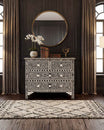
تستمر الأنماط التقليدية للميداليات، وتكوينات الحدود والحقل، ولوحات الألوان الغنية لتصميم السجاد الفارسي الكلاسيكي في ملاءمة غرف الاستقبال الرسمية والمجالس ومناطق تناول الطعام في الفلل في الكويت، حيث تكون لغة الأثاث تقليدية ومفروشة بشكل غني. تتناسب قطعة السجاد الفاخر الكويتي ذات النمط التقليدي المصنوعة من الصوف المنسوج يدوياً أو بديل عالي الجودة مصنوع آلياً من البولي بروبيلين ذو تأثير الصوف مع هذه الغرف بأسعار مختلفة.
لون واحد ودرجات متناسقة
قطعة سجاد كويتية حديثة بلون واحد أو شبه واحد بدرجة دافئة، مثل الوردي الترابي، العاج الدافئ، الأخضر المريمي، أو الرمادي الدافئ، تناسب الغرف التي يحمل فيها الأثاث النمط ويُطلب من السجادة توفير القاعدة الدافئة دون إدخال تعقيد بصري. تعد السجاد ذات الألوان الواحدة الخيار الأكثر تنوعًا للمشترين الذين ليسوا متأكدين من كيفية تناسق السجاد المنقوش مع الأثاث الموجود أو الذين يتوقعون تغيير لوحة ألوان الغرفة بمرور الوقت.
ماذا يجب التحقق منه قبل شراء السجاد في الكويت
سواء كنت تشتري من صالة عرض أو تطلب عبر الإنترنت للتسليم في الكويت، هناك العديد من فحوصات الجودة التي تميز السجاد في الكويت الذي يستحق الشراء عن ذلك الذي يبدو مناسبًا في صورة المنتج ويبدأ في إظهار عيوبه خلال عام من الاستخدام اليومي.
قبل تأكيد أي عملية شراء سجادة، تحقق مما يلي:
- كثافة الوبر عن طريق الضغط براحة اليد على السطح. الوبر الكثيف عالي الجودة يستعيد شكله بسرعة وكامل. الوبر الخفيف يظهر البطانة على الفور عند الضغط عليه ويستعيد شكله ببطء، وهذا هو الشكل الذي ستبدو عليه السجادة تحت ضغط الأثاث في غضون أشهر.
- مادة البطانة على أرضية البلاط. المنازل الكويتية بها أرضيات بلاط صلبة في الغالب. سجادة بدون بطانة غير قابلة للانزلاق أو طبقة سفلية مضادة للانزلاق ستتحرك على البلاط، خاصة في المناطق ذات الحركة المرورية العالية ومواقع المداخل. تأكد مما إذا كانت الطبقة السفلية مطلوبة وأدرج ذلك في التكلفة الإجمالية للشراء.
- ثبات اللون عن طريق فرك قطعة قماش بيضاء على سطح الوبر. يشير انتقال اللون الكبير إلى القماش إلى جودة صبغ رديئة ستستمر في التساقط وربما تلطخ أرضية البلاط تحت السجادة.
- الأبعاد الدقيقة مقابل قياسات الغرفة. تأكد من أن الأبعاد المذكورة للسجادة تتطابق مع القطعة الفعلية التي تم تسليمها، وقارنها مع قياسات ترتيب الأثاث التي تم أخذها قبل الشراء. سجادة تصل أقصر بـ 10 سم من المذكور يمكن أن تقع خارج نطاق التناسب الصحيح للأثاث الذي تخدمه.
الأسئلة الشائعة
ما هو أفضل حجم للسجاد لغرفة معيشة كويتية قياسية؟
لغرفة معيشة كويتية عادية بها أريكة بثلاثة مقاعد وكرسيين بذراعين، يتسع سجادة بمقاس 240 × 300 سم لترتيب الجلوس بالكامل مع وضع الأرجل الأمامية لجميع قطع الأثاث على سطح السجادة. سجادة بمقاس 2 × 3 أمتار (200 × 300 سم) تناسب غرف المعيشة الأصغر التي تتراوح مساحتها بين 18 و 25 مترًا مربعًا حيث يكون ترتيب الأثاث أكثر إحكامًا. لغرفة استقبال بحجم فيلا أو ترتيب أريكة على شكل حرف L، فإن سجادة بمقاس 300 × 400 سم هي الحد الأدنى للحجم الذي يثبت الترتيب الأكبر بشكل متناسب.
ما هو أفضل خامة للسجاد في منزل كويتي بأرضية من البلاط؟
الصوف هو الخامة الأكثر متانة ومناسبة عمليًا للسجاد في المنازل الكويتية ذات الأرضيات المبلطة. يوفر اللانولين الطبيعي في الصوف مقاومة طبيعية للبقع، وتستعيد وبرته شكله جيدًا بعد ضغط الأثاث، ويكتسب بمرور الوقت بريقًا يبدو أكثر ثراءً. للمناطق العائلية ذات الكثافة المرورية العالية، فإن وبر الصوف أو مزيج الصوف على دعامة غير قابلة للانزلاق يناسب الاستخدام اليومي دون الحاجة إلى متطلبات صيانة المواد الأكثر حساسية. الجوت والسيزال يناسبان الأماكن ذات الكثافة المرورية المنخفضة والتصاميم الداخلية ذات المواد الطبيعية، ولكنهما يتطلبان اهتمامًا أكبر بإدارة الرطوبة على الأرضيات المبلطة.
كيف أعرف ما إذا كانت السجادة الفارسية مصنوعة يدويًا حقًا؟
اقلب السجادة الفارسية وافحص السطح الخلفي. تُظهر القطعة المصنوعة يدويًا الأصلية عقدًا فردية كسطح خشن وغير منتظم قليلاً حيث تُربط ألياف الوبر حول خيوط السدى. تُظهر القطعة المصنوعة آليًا ظهرًا مسطحًا وموحدًا بدون هيكل عقد مرئي. عدم الانتظام المرئي في الظهر المصنوع يدويًا هو مؤشر جودة وليس عيبًا. يؤكد اختبار الحرق على خيط مسحوب أيضًا محتوى الألياف: يحترق الصوف الأصلي بلهب ينطفئ ذاتيًا وينتج رائحة متفحمة، بينما تذوب الألياف الاصطناعية وتنتج رائحة كيميائية.
ما الفرق بين السجاد الحديث والسجاد الفاخر في الكويت؟
السجاد الحديث في الكويت يصف اتجاهًا تصميميًا: أنماط هندسية، تجريدية، عضوية، أو بسيطة في لوحات ألوان معاصرة تناسب الاتجاهات الداخلية الحالية. السجاد الفاخر في الكويت يصف مكانة جودة: صناعة يدوية بالعقد، ألياف صوف أو حرير أصلية، كثافة عقد عالية، ومنشأ إنتاج موثق. يمكن أن تكون القطعة حديثة في التصميم وفاخرة في الصناعة، أو حديثة في التصميم ومصنوعة بكميات كبيرة في الصناعة. يكمن الفرق بين الاثنين في جودة الإنتاج وليس في اتجاه التصميم، وهذا هو السبب في أن التحقق من طريقة الصناعة ومحتوى الألياف لا يقل أهمية عن تقييم التصميم.
ما هو حجم السجاد الأنسب لغرفة نوم كويتية بها سرير كينج؟
يجب أن يكون حجم سجادة غرفة النوم لسرير كينج في الكويت بعرض 180 سم على الأقل 240 × 300 سم، والحجم المثالي هو 270 × 360 سم. يجب أن تمتد السجادة 60 سم على الأقل خارج السرير من كل جانب و 90 سم على الأقل خارج قاعدة السرير، مما يمنح كلا شاغلي السرير سطح سجادة دافئًا للدوس عليه عند النزول من السرير على أرضيات البلاط الباردة. السجادة التي توضع فقط تحت السرير دون أن تمتد خارجه لا توفر أي فائدة لراحة القدم وتعتبر عنصرًا تحت السرير بدلاً من معالجة لأرضية غرفة النوم.
كيف أعتني بسجادة صوف في منزل كويتي مكيف؟
تستفيد سجادات الصوف في المنازل الكويتية المزودة بتكييف مستمر من التهوية الدورية عندما يسمح الطقس بذلك، حيث يمكن أن يتسبب الهواء الداخلي الجاف باستمرار في أن تصبح سجادات الألياف الطبيعية هشة على فترات طويلة. قم بتدوير السجادة 180 درجة كل ستة إلى اثني عشر شهرًا لتوزيع أنماط تآكل حركة السير بالتساوي. قم بتنظيف السجادة بالمكنسة الكهربائية بانتظام مع فصل فرشاة الدوران لإزالة الغبار دون سحب ألياف الوبر. للتسربات، امسح فورًا بقطعة قماش نظيفة وجافة بدلاً من الفرك، مما ينشر البقعة إلى الأكوام المجاورة. التنظيف الاحترافي كل سنتين إلى ثلاث سنوات هو فترة الصيانة القياسية لسجادة الصوف في الاستخدام العائلي العادي.
كلمة أخيرة
يعود اختيار السجاد في الكويت بشكل صحيح إلى اختيار الحجم المناسب لترتيب الأثاث، واختيار المادة المناسبة لنمط الاستخدام اليومي للغرفة والمعيار السكني للأرضيات المبلطة في الكويت، وتحديد اتجاه النمط الذي يناسب لوحة ألوان الغرفة الحالية، والتحقق من جودة البناء قبل الالتزام بدلاً من بعد التسليم. سجادة فارسية من الصوف المعقود يدويًا ذات منشأ موثق هي استثمار في السجاد الفاخر في الكويت الذي يحافظ على جودته عبر عقود من الاستخدام العائلي في غرفة استقبال رسمية أو مجلس. قطعة سجادة حديثة في الكويت بتصميم هندسي من الألياف الطبيعية أو الصوف ذي الوبر المنخفض تناسب الاتجاه المعاصر للمواد الطبيعية في غرف المعيشة الكويتية والديكورات الداخلية للفيلات في عام 2026. سجاد غرف المعيشة بحجم يتناسب مع ترتيب الجلوس بالكامل يثبت أثاث الغرفة في علاقة تحول الجودة البصرية للمساحة. سجاد غرف النوم بحجم يمتد بشكل مريح خارج السرير من جميع الجوانب يخلق الراحة اليومية التي تحتاجها غرف النوم المبلطة في الكويت حقًا. تكوين سجادة بمقاس 2 × 3 أمتار يناسب غالبية ترتيبات غرف المعيشة في الشقق الكويتية وهو الحجم العملي للبدء للمشترين غير المتأكدين مما يناسب غرفتهم المحددة. اتخاذ هذه القرارات بشكل صحيح قبل الشراء ينتج غرفة تعمل جيدًا تحت الأقدام كما تبدو من المدخل.

اترك تعليقًا
This site is protected by hCaptcha and the hCaptcha Privacy Policy and Terms of Service apply.