


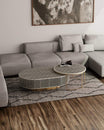
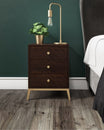
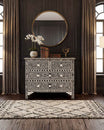
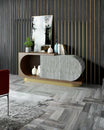
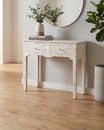
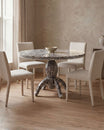


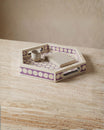
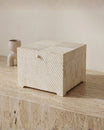
You walk into a Dubai Hills villa or a two-bedroom apartment in Business Bay, and the living room looks finished until you open the console drawer and find it jammed with remote controls, coasters, and chargers. A sideboard cabinet solves that problem in a way a TV console or open shelving unit rarely does: it hides daily clutter behind closed doors while giving the room a defined visual anchor. For homeowners across the UAE and Saudi Arabia weighing their options right now, size is only the starting point of the decision. Material, placement, and how the piece will hold up against Gulf heat, air conditioning cycles, and years of daily use matter just as much, and often more, once the cabinet has been living in the room for a year or two.
This guide breaks down what actually matters when shortlisting a sideboard cabinet for a modern living room, how it differs from a buffet cabinet or console, what sizing and materials suit UAE and Saudi homes specifically, and what to check before you commit to a purchase. Whether you are furnishing a first apartment in Dubai Marina or replacing a dated unit in a Riyadh villa, the fundamentals below apply the same way.
What Makes a Sideboard Cabinet Different From a Buffet Cabinet or Console
The terms get used loosely in showrooms, which makes comparison shopping harder than it should be. Here is the practical distinction that matters when you are choosing living room storage.
A sideboard cabinet is a low, horizontal storage unit, typically 75 to 90 cm tall, designed for living or dining rooms and used to store crockery, linens, décor, or media equipment behind doors and drawers. A buffet cabinet is closely related but leans toward dining-adjacent use, often with a slightly deeper carcass to hold serving platters and glassware for entertaining. A console, by contrast, is usually narrower front to back and built primarily for display rather than enclosed storage.
- Sideboard cabinet: Doors and drawers, moderate depth (40 to 50 cm), used in living rooms for general storage and as a TV or décor base.
- Buffet cabinet: Similar height, slightly deeper, often includes a marble or stone top suited to serving during gatherings.
- Console table: Shallow depth (30 to 35 cm), open or minimal storage, built for entryways or as a display surface.
For most UAE living rooms, where the piece needs to double as a media unit and a storage solution, a sideboard cabinet is the more versatile choice.
Materials That Hold Up in Gulf Heat and Humidity
Material choice affects a sideboard cabinet's lifespan more than any other decision, and this is where a lot of buyers get it wrong by focusing on finish alone. Indoor humidity swings between air-conditioned interiors and outdoor heat can warp poorly treated wood and degrade cheap veneers within a few years.
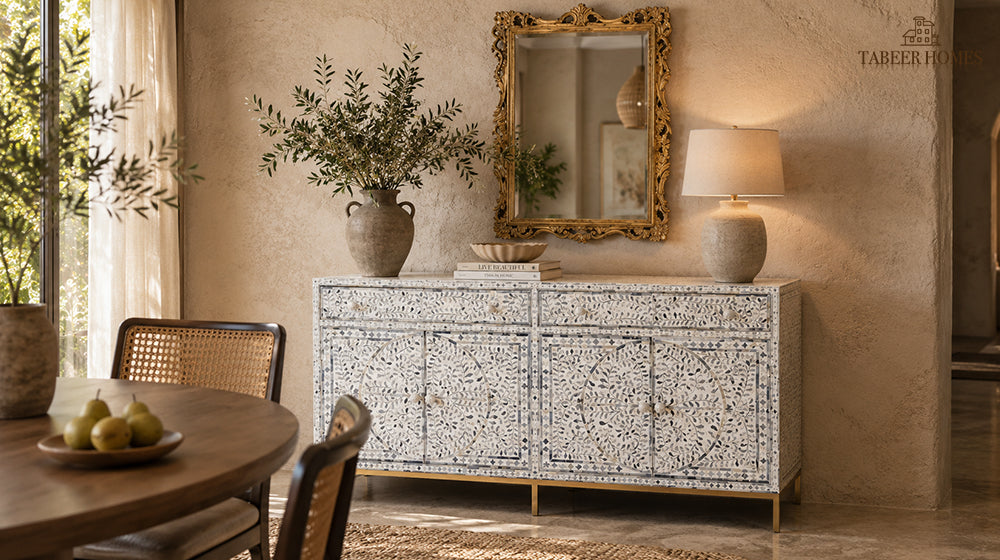
Solid wood with a proper moisture-cured finish remains the most reliable base material, since it resists the expansion and contraction that laminate and MDF struggle with over time. Bone inlay and mother of pearl inlay pieces, set into hardwood frames, add a handcrafted texture that has become a defining feature of premium GCC interiors, provided the inlay is bonded with UV-stable adhesive that will not yellow or lift under sun exposure through glass windows. Marble tops, whether on a sideboard or a buffet cabinet, offer a cool, low-maintenance surface that resists heat marks from serving dishes, though buyers should confirm the marble is sealed to prevent staining from oils and spices common in regional cooking.
- Solid mango or sheesham wood: Dense grain, strong resistance to warping, common base for bone inlay pieces.
- Marble or quartz composite tops: Heat and scratch resistant, ideal for buffet-style use during gatherings.
- Brass and metal inlay detailing: Adds contrast without the maintenance demands of full metal cabinetry.
- MDF with veneer: Budget-friendly but more vulnerable to humidity swings; best reserved for low-exposure rooms.
Hardware matters almost as much as the carcass material itself. Cheap drawer runners and hinges tend to fail first in Gulf households, where daily temperature shifts between an air-conditioned interior and a hot exterior put repeated stress on moving metal parts. Soft-close runners rated for higher cycle counts, along with brass or brass-plated hinges rather than plain steel, hold up noticeably longer under the kind of daily opening and closing a living room sideboard sees. When comparing two similarly priced cabinets, checking the hardware specification sheet is often more revealing than checking the wood type alone, since a strong frame paired with weak hardware will still fail within a few years.
Sizing a Sideboard Cabinet for Dubai and Riyadh Apartments and Villas
Room dimensions in the UAE and Saudi Arabia vary widely, from compact Dubai Marina apartments to sprawling Riyadh villa majlis areas, so a single standard size rarely works across every home. The transition from open-plan apartment living to larger villa layouts changes what proportions actually look balanced against the wall.
|
Room Type |
Recommended Sideboard Length |
Recommended Depth |
Typical Height |
|
Compact apartment living room (under 20 sqm) |
120 to 150 cm |
40 cm |
75 to 80 cm |
|
Standard apartment or townhouse living room |
150 to 180 cm |
45 cm |
80 cm |
|
Villa living room or formal majlis |
180 to 220 cm |
45 to 50 cm |
80 to 85 cm |
|
Dining-adjacent buffet cabinet use |
160 to 200 cm |
50 cm |
85 to 90 cm |
As a general rule, a sideboard cabinet should occupy roughly two-thirds of the wall length it sits against, leaving enough clearance on either side that the room does not feel boxed in. In smaller Dubai apartments, a 120 cm cabinet with three drawers and two cabinet doors usually strikes the right balance between storage and floor space.
Modern Sideboard Cabinet Styles for 2026 UAE Interiors
Design preferences across the UAE have moved toward pieces that reference craft heritage without leaning into heavy ornamentation, a shift visible in showrooms across Dubai and Abu Dhabi over the past two years. A modern sideboard now tends to pair clean, low-profile silhouettes with one or two statement details rather than covering the entire surface in pattern.
Fluted wood paneling on cabinet doors has become a dominant style choice, offering texture without the maintenance concerns of full inlay work. Two-tone finishes, where the cabinet base is a matte neutral and the top is marble or a contrasting wood tone, suit open-plan living and dining spaces where the sideboard needs to visually connect two zones. Brass hardware in an aged or brushed finish continues to outperform polished chrome in regional interiors, since it complements both warm wood tones and the gold accents common in Arabic contemporary styling.
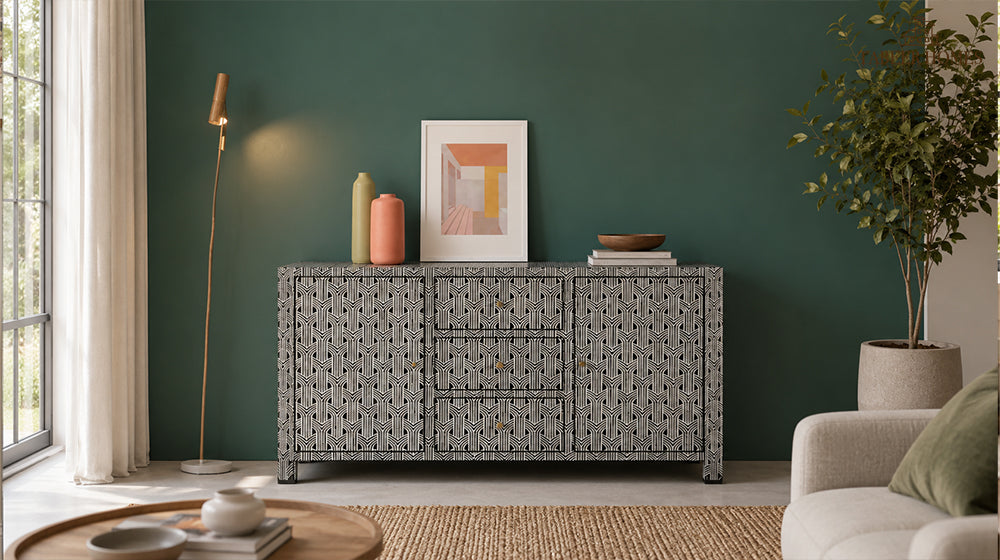
For buyers who want a heritage element without an overpowering statement, a sideboard with a bone inlay border on the door panels, rather than full-surface inlay, delivers the handcrafted look in a way that reads as modern rather than traditional.
Sideboard vs Buffet Cabinet vs TV Console: Which Storage Piece Fits Your Living Room
Choosing between these three options comes down to how the room functions day to day rather than aesthetics alone. The table below breaks down the decision by primary use case.
|
Feature |
Sideboard Cabinet |
Buffet Cabinet |
TV Console |
|
Primary use |
General living room storage |
Dining and entertaining |
Media equipment |
|
Typical depth |
40 to 50 cm |
45 to 55 cm |
35 to 40 cm |
|
Storage type |
Doors and drawers |
Doors, sometimes open shelving |
Mostly open with cable access |
|
Best placed in |
Living room or open-plan zone |
Dining room or adjacent wall |
Living room, media wall |
|
Ideal for |
Homeowners who need enclosed storage plus display space |
Households that entertain regularly |
Rooms centered on a television setup |
A living room that serves multiple functions, storage, media display, and casual entertaining, is usually best served by a sideboard cabinet, since it covers the widest range of daily use without requiring a second furniture piece.
Styling a Sideboard Cabinet in a Modern Living Room
Once the piece is chosen, styling determines whether it reads as a functional afterthought or a design centerpiece. A cluttered top defeats the purpose of buying enclosed storage in the first place.
- Group objects in odd numbers, typically three, varying in height, such as a ceramic vase, a stack of two books, and a small sculptural object.
- Leave at least 30 percent of the surface empty to avoid visual crowding, especially on cabinets under 150 cm in length.
- Position artwork or a mirror above the sideboard at a height where the bottom edge sits 15 to 20 cm above the cabinet top.
- Use the drawers for genuinely daily items, remotes, coasters, chargers, so the surface stays clear without constant tidying.
What UAE and Saudi Buyers Should Check Before Purchasing
A sideboard cabinet is a multi-year purchase, and a few checks before buying prevent the most common regrets reported by GCC homeowners.
- Confirm the wood type and finish, and ask specifically whether the piece has been treated for humidity resistance rather than just sealed for appearance.
- Check drawer runners for soft-close mechanisms, since standard runners wear out faster under daily Gulf household use.
- Measure the delivery path in addition to the room itself, since villa staircases and apartment service elevators in older Dubai buildings can restrict piece size.
- Ask whether inlay work, if present, is hand-set or printed, as this affects both price and longevity significantly.
According to Mordor Intelligence, premium furniture in the UAE home furniture market is forecast to grow at a 5.78% CAGR through 2031, faster than the mid-range segment, reflecting a broader shift toward higher-quality, longer-lasting pieces over disposable furniture. That shift is visible in how buyers now ask about materials and construction before style, a change worth factoring into any purchase decision made this year.
Choosing the right sideboard cabinet ultimately comes down to matching the piece to how the room is actually used, rather than how it photographs on the day it arrives. A well-built cabinet in solid wood, with hardware and joinery suited to the climate, will outlast several redecorating cycles, which makes the upfront research worth the time it takes. Buyers who compare two or three shortlisted pieces against the sizing and material checks above generally end up with a cabinet that still looks and functions well five years on, rather than one that needs replacing after the first humid summer. Tabeer Homes documents these material and sizing considerations across its handcrafted furniture guides for buyers navigating exactly this kind of decision.
Frequently Asked Questions
What is the standard height of a sideboard cabinet?
Most sideboard cabinets stand between 75 and 85 cm tall, matching standard console and media unit heights. This allows the surface to double as a TV base or display shelf without appearing too low or too tall relative to nearby seating.
Is a sideboard cabinet the same as a buffet cabinet?
They are closely related but not identical. A sideboard is built for general living room storage, while a buffet cabinet is typically deeper and designed around serving food and drinks during gatherings in a dining setting.
What wood works best for a sideboard cabinet in UAE homes?
Solid mango or sheesham wood with a moisture-cured finish resists warping better than MDF or laminate under UAE humidity swings. These hardwoods also take inlay and detailing well, making them common in bone inlay furniture.
How long should a sideboard cabinet be for a small apartment?
For apartments under 20 square meters, a 120 to 150 cm sideboard is usually proportionate. This length provides adequate storage without overwhelming a compact living room layout.
Can a sideboard cabinet be used as a TV unit?
Yes, many modern sideboards are designed with cable management access at the back, allowing them to function as both a TV base and general storage. Check depth and cable cutouts before buying if this is the intended use.
Are bone inlay sideboard cabinets durable for daily use?
Hand-set bone inlay bonded with UV-stable adhesive on a solid wood frame holds up well to daily use. Quality varies significantly between hand-set and printed inlay imitations, so verifying construction method matters before purchase.
What is the ideal depth for a sideboard cabinet against a living room wall?
A depth of 40 to 50 cm suits most living rooms, leaving enough walking clearance in front while providing sufficient interior storage space. Buffet cabinets intended for serving use often run slightly deeper, up to 55 cm.
How do I style a sideboard cabinet without making it look cluttered?
Group two to three decorative objects of varying height, leave roughly a third of the surface empty, and hang artwork 15 to 20 cm above the cabinet top. Use enclosed drawers for daily items rather than leaving them on display.
Does marble on a sideboard or buffet cabinet require special maintenance?
Sealed marble resists heat and scratches but should be wiped promptly after spills, particularly oils, to prevent staining. Resealing every one to two years maintains the surface in high-use dining or entertaining settings.
What should I check before buying a sideboard cabinet online in the UAE?
Confirm exact dimensions against your delivery path and room, ask whether wood is humidity-treated, and check drawer hardware quality. For handcrafted or inlay pieces, request confirmation on whether detailing is hand-set or printed.

اترك تعليقًا
This site is protected by hCaptcha and the hCaptcha Privacy Policy and Terms of Service apply.