


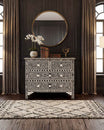
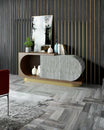
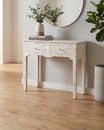
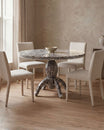

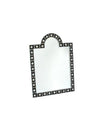

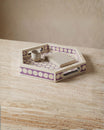
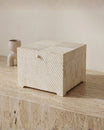

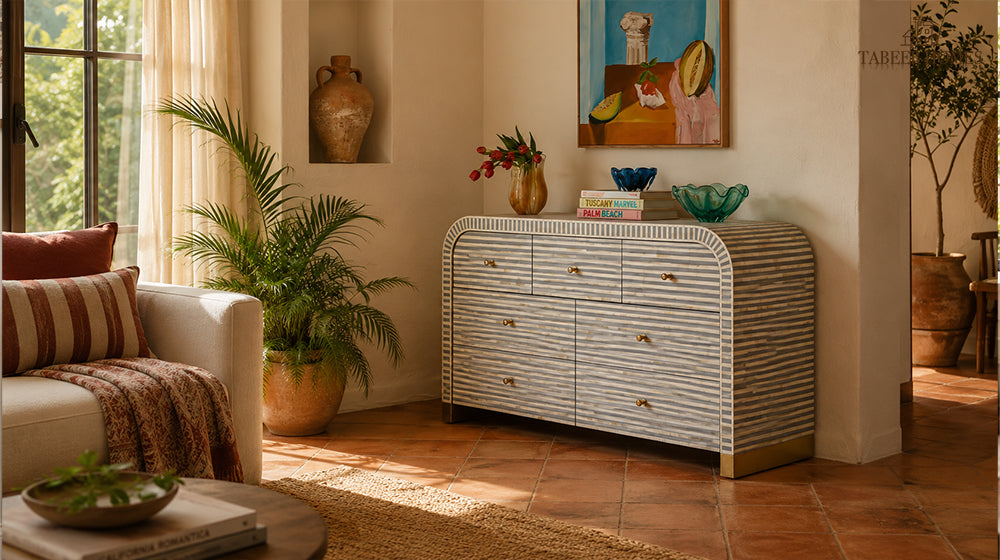
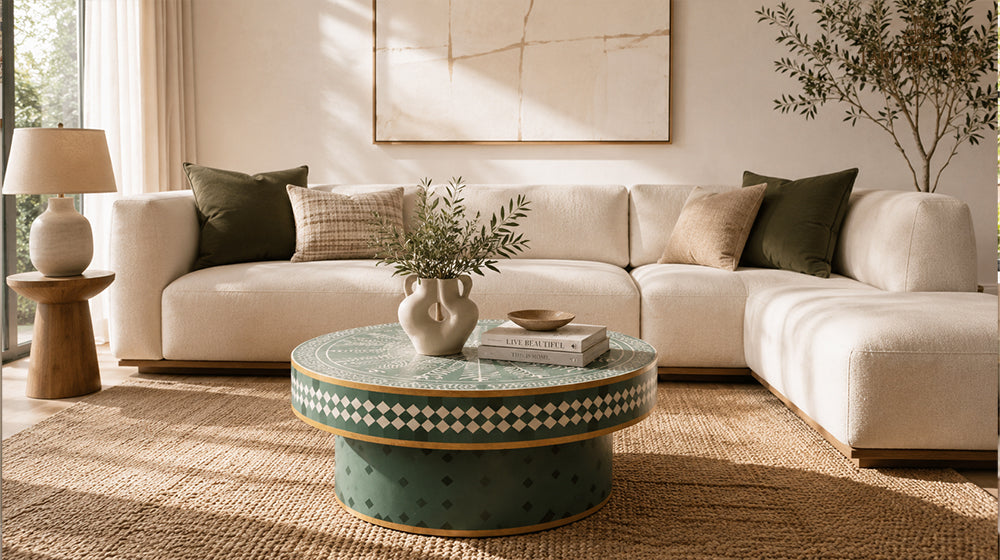
You just noticed a faint water ring on your bone inlay console table, and now you're afraid to touch it with anything stronger than a dry cloth. That hesitation is the right instinct. Bone inlay furniture is beautiful precisely because it's delicate: hand-cut bone pieces set into wood with resin, polished to a soft sheen that no factory process can replicate. Treat it like a laminate coffee table and you risk cracking the inlay, dulling the finish, or loosening pieces that took a craftsman days to set by hand. Treat it correctly, and a well-made piece will outlast the room it started in.
This guide walks through exactly how to clean bone inlay furniture without damaging it, covering daily upkeep, deep cleaning, stain removal, and the specific climate challenges that come with owning inlay furniture in Dubai, Riyadh, or Kuwait City.
Understanding What You're Actually Cleaning
A transition worth making before any cleaning starts: bone inlay furniture is not one uniform material, and that changes how you should approach it.
Each piece combines three distinct materials that respond differently to moisture, heat, and chemicals:
- Bone segments — thin, polished slivers of camel or cattle bone, set flush into the surface. Porous at the edges, prone to yellowing if exposed to direct sun or harsh cleaners.
- Wood base — usually mango wood, sheesham, or a similar hardwood, which expands and contracts with humidity changes.
- Resin or lac adhesive — the binding layer holding bone to wood, which softens under heat and can degrade with alcohol-based cleaners.
Because these three materials sit millimeters apart on the same surface, a cleaning product that's fine for wood can still damage the bone edging, and a technique that's safe for bone can loosen the resin bond underneath. Bone inlay maintenance means working around the most sensitive material on the piece, not the toughest one.
Daily and Weekly Cleaning: The Routine That Actually Protects the Finish
Most damage to inlay furniture doesn't come from one dramatic spill. It comes from small, repeated abrasions: dust ground in with a rough cloth, grit trapped under a coaster, or a quick wipe with whatever cleaner is under the sink.
Daily Dusting
Use a soft, dry microfiber cloth and wipe in the direction of the inlay pattern rather than in circles. Circular motions push dust and grit into the seams between bone and wood, where it can scratch the surface over repeated cleanings. A feather duster works for open shelving but tends to skip the recessed grooves where inlay patterns typically sit, so a cloth remains the more reliable daily tool.
Weekly Wipe-Down
Once a week, dampen (not wet) a microfiber cloth with distilled water and wring it out thoroughly before wiping the surface. Dry immediately with a second, clean cloth. Standing water is the single biggest threat to bone inlay furniture: it seeps into the resin seams and causes the bone to lift or discolor over time.
|
Cleaning Task |
Frequency |
Tool |
What to Avoid |
|
Dusting |
Daily |
Dry microfiber cloth |
Feather dusters on grooved surfaces |
|
Wipe-down |
Weekly |
Barely damp microfiber cloth |
Wet sponges, spray bottles |
|
Deep clean |
Monthly |
Soft brush, dry cloth |
Steam cleaners, abrasive pads |
|
Polishing |
Every 2 to 3 months |
Beeswax-based furniture polish |
Silicone sprays, alcohol-based polish |
|
Full inspection |
Twice yearly |
Visual check for lifting bone or cracks |
N/A |
The Right Way to Deep Clean Bone Inlay Furniture
A monthly deep clean catches what daily dusting misses, particularly in the fine grooves between inlay pieces where household dust settles and compacts.
Start with a soft-bristled brush, the kind used for delicate jewelry, and gently sweep along the seams between bone segments. This lifts embedded dust without pressure on the bone itself. Follow with a dry microfiber cloth to remove loosened particles. If the surface still looks dull after this, a small amount of beeswax-based furniture polish, applied sparingly with a soft cloth and buffed in the direction of the grain, restores shine without stripping the resin bond underneath.
Avoid these products entirely when you clean inlay furniture:
- Ammonia-based glass cleaners — strip the natural sheen from bone and can cause micro-cracking over repeated use.
- Alcohol wipes or hand sanitizer residue — dissolve the resin adhesive, leading to bone pieces that lift or fall out.
- Vinegar or citrus-based cleaners — the acidity etches bone surfaces and can yellow the wood over time.
- Silicone furniture sprays — leave a film that traps dust and is difficult to remove without damaging the finish underneath.
Handling Spills and Stains Without Making Them Worse
The instinct to grab a paper towel and scrub is understandable, but it's the wrong move on inlay furniture. Blot first, always.
For a fresh liquid spill, press a dry cloth directly onto the area and lift straight up, repeating with a clean section of cloth until no more liquid transfers. Do not drag the cloth across the surface. If the spill has already dried into a light stain, a cloth barely dampened with distilled water, applied with gentle pressure and held for a few seconds before lifting, will usually lift it without spreading.
Oil-based stains, common on dining tables and buffet cabinets, need a different approach. Sprinkle a small amount of cornstarch directly on the stain, leave it for several hours to absorb the oil, then brush away gently and wipe with a dry cloth. Repeat if a faint mark remains. This method avoids introducing any liquid to a surface where the resin seams are already vulnerable.
If a stain persists after two attempts at home, stop. Repeated home treatment on a stubborn stain is more likely to damage the inlay than the original stain was, and at that point professional restoration is the safer route.
Climate Considerations for UAE, Saudi Arabia, and Kuwait
Bone inlay furniture was originally developed in regions with dry, moderate climates, which makes Gulf conditions genuinely demanding on these pieces in ways that owners in cooler climates rarely encounter.
High ambient humidity, especially near coastal cities like Dubai and Kuwait City, causes the wood base to expand slightly even when the bone inlay does not, creating stress along the seams where the two materials meet. Meanwhile, direct sunlight through floor-to-ceiling windows, common in Gulf apartments and villas, accelerates yellowing in bone and can dry out the resin bond faster than in shaded interiors.
Practical adjustments for this climate:
- Position bone inlay pieces away from direct window sunlight, or use UV-filtering window film if the piece must sit near glass.
- Run air conditioning consistently rather than letting indoor humidity swing between air-conditioned and non-conditioned hours, since sudden changes stress the wood-bone bond more than steady conditions do.
- During humid months, wipe the piece dry after any condensation forms near air conditioning vents or cold glass surfaces nearby.
- Avoid placing inlay furniture directly beside kitchen counters or near frequently opened balcony doors, where humidity and dust exposure are both higher.
A console table or sideboard kept in a climate-controlled interior, away from direct sun, will hold its finish and structural integrity far longer than one exposed to daily temperature and humidity swings.
Storage and Long-Term Protection
If a piece is being stored, whether during a move or a seasonal home change, a few precautions prevent long-term damage that cleaning alone can't fix later.
Wrap the piece in a breathable cotton or muslin cloth rather than plastic sheeting. Plastic traps humidity against the surface, which is exactly the condition that causes bone to lift from resin. Store in a climate-controlled room rather than a garage or outdoor storage unit, where temperature swings are most extreme. Keep the piece off direct floor contact if the storage area has any risk of moisture, using a raised pallet or furniture blanket underneath.
For pieces in regular use, an annual professional inspection, particularly for larger items like buffet cabinets or dining tables, catches early signs of lifting bone or resin cracking before they become structural problems.
When to Call a Professional
Home cleaning covers daily and monthly maintenance well, but certain signs mean it's time to step back and call in a restoration specialist rather than attempting a fix:
- Bone pieces that have visibly lifted or shifted from their original position
- Cracks running through multiple bone segments in one area
- Persistent discoloration that doesn't respond to gentle spot cleaning
- A strong, sour smell suggesting moisture has penetrated beneath the surface
Attempting a DIY repair on structural damage, such as regluing a loose bone piece with household adhesive, often causes more harm than leaving it for a professional. Household glues aren't formulated for the flexibility inlay furniture needs as wood expands and contracts, and mismatched adhesive can make a proper restoration more difficult later.
For readers researching furniture care alongside a purchase decision, Tabeer Homes documents care instructions specific to each bone inlay piece at the point of sale, since finish, resin type, and wood base can vary slightly across collections.
Bone inlay furniture asks for a bit more attention than a standard wood piece, but the routine itself is simple: dry dusting daily, minimal moisture always, and climate awareness in a region where heat and humidity work against these materials by default. Get that routine right, and the furniture holds its detail and shine for decades rather than years.
Frequently Asked Questions
1. Can I use regular furniture polish on bone inlay furniture?
No. Standard furniture polish often contains silicone or alcohol, both of which damage the resin bond and dull the bone surface. Use a beeswax-based polish sparingly, applied with a soft cloth every two to three months, and never on the bone segments directly.
2. How often should bone inlay furniture be cleaned?
Dust daily with a dry microfiber cloth, do a barely damp wipe-down weekly, and deep clean with a soft brush monthly. This routine prevents dust buildup in the seams between bone and wood, which is where most long-term damage starts.
3. Is bone inlay furniture suitable for humid climates like Dubai or Kuwait?
Yes, with precautions. Keep pieces in climate-controlled rooms away from direct sunlight and sudden humidity swings. Wipe away condensation near air conditioning vents promptly, since standing moisture is the main risk to the wood-bone bond in this climate.
4. What causes bone inlay to turn yellow over time?
Direct sunlight is the most common cause, breaking down the natural bone surface through UV exposure. Alcohol-based cleaners and prolonged humidity exposure also contribute. Keeping pieces out of direct window light significantly slows this process.
5. Can water stains on bone inlay furniture be removed at home?
Light water stains often lift with a cloth barely dampened in distilled water, applied with gentle pressure. Deep or old water stains that have penetrated the resin seams usually need professional restoration, since repeated home attempts can worsen the damage.
6. Is it safe to use disinfectant wipes on bone inlay furniture?
No. Most disinfectant wipes contain alcohol or ammonia, both of which dissolve the resin adhesive holding bone to wood over repeated use. Use a dry or barely damp microfiber cloth instead, avoiding any alcohol-based cleaning product entirely.
7. How do I remove oil stains from a bone inlay dining table?
Sprinkle cornstarch directly on the stain and leave it for several hours to absorb the oil, then brush away and wipe with a dry cloth. This avoids introducing liquid to a surface where resin seams are already vulnerable to moisture damage.
8. Should bone inlay furniture be kept away from air conditioning vents?
Direct, constant airflow from a vent can dry out the resin bond faster than normal room conditions. Position pieces a short distance from vents where possible, and wipe away any condensation that forms nearby during humid months.
9. What is the difference between bone inlay and mother of pearl inlay maintenance?
Both require similar care, minimal moisture and no harsh chemicals, but mother of pearl is generally more resistant to yellowing from sunlight than bone. Bone inlay needs more consistent shade protection to prevent long-term discoloration.
10. How do I know if a bone inlay piece needs professional restoration?
Watch for bone pieces that have visibly lifted, cracks across multiple segments, discoloration that doesn't respond to gentle spot cleaning, or a musty smell suggesting trapped moisture. Any of these signs warrant a specialist rather than a home repair attempt.

اترك تعليقًا
This site is protected by hCaptcha and the hCaptcha Privacy Policy and Terms of Service apply.