


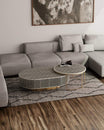
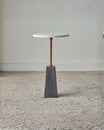
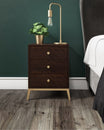
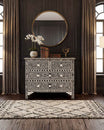
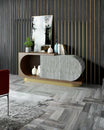
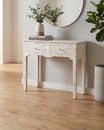
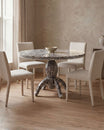

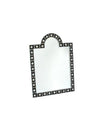

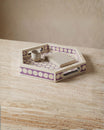
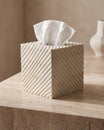
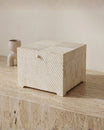
You are scrolling through a furniture site at midnight with two browser tabs open side by side, trying to make a decision before the sale ends. One cabinet has a soft, matte white pattern that looks almost carved from stone. The other shimmers faintly even in a flat product photo, shifting color slightly as you scroll past it a third time. Both are labeled handcrafted, both are clearly expensive to make, and neither listing tells you which one will actually suit your room, your climate, or how you live day to day. The bone inlay vs mother of pearl decision comes down to material, finish, and upkeep rather than which one photographs better, and the differences matter more once the piece is sitting in your home than they do in a product listing.
What Is Bone Inlay Furniture?
Bone inlay is a decorative technique in which artisans hand-carve small, individually shaped pieces of camel bone and set them into a resin base cut into a solid wood frame, typically mango wood. The craft is rooted in the Rajasthani region of India, where the technique has been passed down through generations of artisans, with roots that some trace back to Mughal-era decorative arts. Each piece of bone is cut, filled, and polished by hand, which is why no two bone inlay pieces are ever fully identical and why small irregularities in the pattern are a normal sign of handwork rather than a defect.
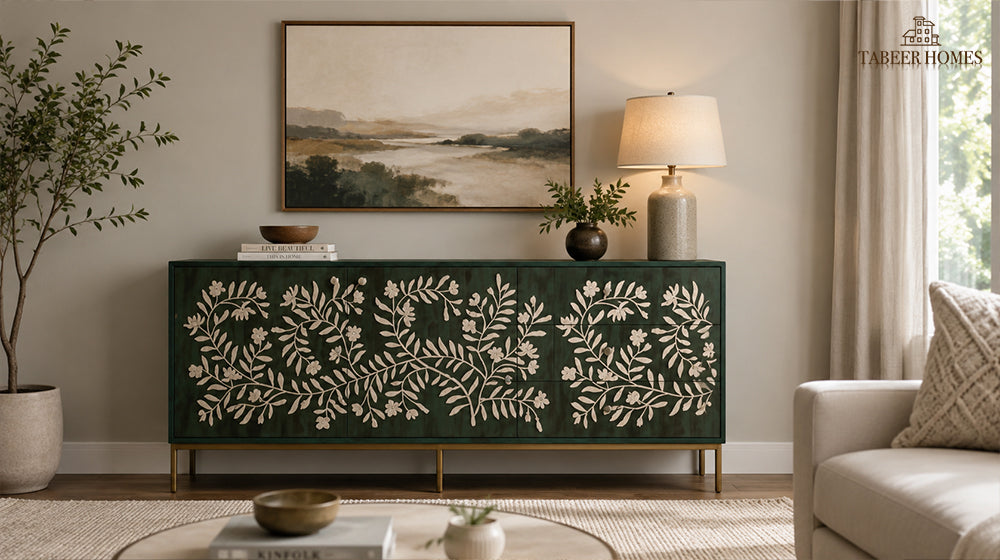
In its natural state, bone inlay produces a matte, off-white or ivory pattern that reads as earthy and grounded against a wood or resin backdrop. Dyed variations, black, green, or deep blue backgrounds with contrasting inlay, have become common in modern collections, giving the technique a wider range than the classic white-on-wood look most people picture first.
A Brief History of Inlay Craftsmanship
Both techniques developed independently across different regions before eventually sitting side by side in modern furniture catalogs, and understanding that separate history explains why each carries such a distinct visual identity today.
Bone inlay's clearest roots trace to the Mughal Empire in India, where courtly workshops favored intricate surface decoration across furniture, architecture, and small objects. Rajput craftsmen later adopted and refined the technique, and the artisan families working in and around Rajasthan today are, in many cases, continuing a lineage of hand-carving and setting practices passed down within the same communities for generations. The process never mechanized in any meaningful way, which is part of why bone inlay remains labor-intensive and why production timelines for larger pieces can run into weeks rather than days.
Mother of pearl inlay followed a more geographically scattered path. Early artisans in China and Egypt worked with shell inlay on furniture, boxes, and decorative panels, and the technique later became closely associated with Damascus, Syria, where generations of craftsmen developed intricate geometric and floral motifs for royal palaces and grand homes. The tradition also took hold in Gujarat, the Indian state bordering Rajasthan, where it developed in parallel with the region's bone inlay work, giving India a strong presence in both crafts today even though their origins lie continents apart.
How Bone Inlay and Mother of Pearl Are Made
Both crafts share a broadly similar production sequence, but the raw material shapes several steps differently.
For bone inlay, artisans first carve a pattern of narrow channels into a wood surface, then hand-cut and shape individual pieces of camel bone to fit each section of the design. Each piece is set by hand into the channel and secured, after which colored resin fills the gaps around the bone before the entire surface is sanded and polished flat. Because bone is opaque and relatively easy to shape into flat geometric or floral segments, patterns tend toward bold checkerboards, mosaics, and repeating geometric motifs that read clearly even from a distance.
Mother of pearl follows a similar channel-and-set process, but shell is thinner, more brittle, and naturally curved, which means artisans must cut it into smaller, more delicate shapes to fit a flat inlay surface without cracking. This physical constraint is part of why mother of pearl designs lean toward finer, more intricate detailing, often floral or vine-like patterns built from many small shell segments, rather than the broader geometric blocks common in bone inlay. The finishing stage, resin filling, sanding, and polishing, mirrors the bone inlay process closely, which is why both materials end up with a comparably smooth, sealed surface despite starting from very different raw materials.
Design Motifs and Patterns Common to Each Style
The physical properties of each material naturally push designers toward certain pattern types, and recognizing this helps explain why the two styles look so different even on similarly shaped furniture.
- Bone inlay motifs commonly include checkerboard grids, diamond lattices, and bold linear stripes, alongside more elaborate floral medallions on statement pieces like cabinet doors or headboards.
- Mother of pearl motifs lean toward floral sprays, vine and leaf patterns, and fine linear borders, taking advantage of the shell's ability to be cut into small, delicate curved shapes.
- Color contrast plays a larger role in bone inlay design, since dyed wood or resin backgrounds (black, green, deep blue) create strong graphic contrast against the pale bone.
- Light interaction plays a larger role in mother of pearl design, since the same floral motif can look subtly different depending on the time of day and the angle of the light source in the room.
What Is Mother of Pearl Furniture?
Mother of pearl inlay uses the iridescent inner shell layer of oysters and other mollusks, known as nacre, cut into delicate shapes and set into a wood or resin base using a similar hand-laying and polishing process to bone inlay. The craft has a long, geographically spread history, with early use traced to artisans in China and Egypt, later carried through Syria and eventually into Gujarat, the Indian state neighboring Rajasthan, where it developed alongside bone inlay as a parallel decorative tradition.
The defining trait of mother of pearl is its glossy, light-reflecting sheen. Where bone inlay reads as flat and matte, mother of pearl catches and shifts light as you move around a piece, producing a shimmer that ranges from cool white to soft pink, blue, or green depending on the shell and the angle of light.
Bone Inlay Vs Mother of Pearl: Side-By-Side Comparison
Both techniques share a similar construction process, a wood or resin base, hand-cut inlay material, and a polished finish, but the raw material drives real differences in look and feel.
|
Feature |
Bone Inlay |
Mother of Pearl |
|
Inlay material |
Hand-carved camel bone |
Nacre from oyster or mollusk shell |
|
Finish |
Matte, earthy |
Glossy, iridescent, shifts with light |
|
Typical base colors |
White, ivory, dyed black or green |
White, plus natural pink, blue, and green tones |
|
Visual character |
Bold, graphic contrast |
Soft, luminous shimmer |
|
Origin region |
Rajasthan, India |
China, Egypt, Syria, later Gujarat, India |
|
Best suited to |
Rooms wanting strong contrast and pattern |
Rooms wanting a softer, light-catching accent |
Reading this table side by side makes the difference between bone inlay and mother of pearl less about quality and more about the mood each one brings into a room.
Which Is Better for Your Home?
There is no universal answer to which is better , since the two materials are built for different visual effects rather than different quality tiers. The right choice depends on your room's lighting, your existing color palette, and how bold you want the piece to read.
For a Bold, Graphic Room
If your space already leans toward strong contrast, black and white, deep jewel tones, or graphic patterned textiles, bone inlay tends to sit more comfortably in that palette. Its matte finish holds its own next to other patterned or textured pieces without competing for the same light-catching attention that mother of pearl demands.
For a Soft, Light-Filled Room
If your dining or living room already benefits from natural light, or if the space feels visually heavy and could use something to lift it, mother of pearl's shimmer adds movement without adding visual weight. It tends to suit softer, more pastel-leaning interiors and rooms where you want a quieter, more atmospheric focal point rather than a bold graphic statement.
For Resale and Long-Term Value
Both materials hold their value well when properly maintained, since the labor-intensive handcrafting behind each style is what drives cost rather than trend cycles that fade quickly. Bone inlay's classic, centuries-old association with traditional craftsmanship tends to age gracefully in resale markets that value heritage pieces, while mother of pearl's more contemporary, glamour-adjacent appeal has found a strong following in modern luxury interiors over the past decade. Neither material is a safer long-term bet than the other in any measurable sense, so this consideration should rank behind genuine aesthetic fit and maintenance willingness rather than ahead of them.
For High-Traffic Versus Display-Only Placement
Both materials hold up well with proper care, but a piece that will see daily handling, an entryway console people brush past constantly, for instance, benefits from a design where the inlay pattern is less densely packed at the edges, since edges see the most wear regardless of material. A piece reserved mainly for display, like a dining sideboard used for special occasions, can carry either material without this concern playing as large a role.
Difference Between Bone Inlay and Mother of Pearl in Everyday Care
Care routines for both materials are close to identical, gentle dusting, avoiding harsh chemicals, and protecting the piece from prolonged moisture and direct sun, but a few distinctions are worth knowing before you buy.
- Bone inlay can yellow with prolonged sun exposure. White or ivory bone tones are more likely to shift color under constant direct sunlight than mother of pearl, so placement away from a south-facing window matters more for pale bone inlay pieces.
- Mother of pearl shows surface scratches more visibly. Because the shell's shine depends on smooth, reflective facets, fine scratches are more noticeable on mother of pearl than on the naturally matte surface of bone inlay.
- Both require the same humidity precautions. Wood and inlay material expand and contract at different rates, so keeping either piece away from AC vents and high-humidity rooms protects the resin bond regardless of which inlay material you choose.
- Cleaning method is the same for both. A soft, dry microfiber cloth for regular dusting and a barely damp cloth for deeper cleaning works for bone inlay and mother of pearl alike, with spills blotted immediately rather than wiped.
Common Mistakes When Choosing Between the Two
A handful of avoidable mistakes account for most of the buyer's remorse in this category.
- Choosing based on a product photo alone. Mother of pearl's shimmer changes dramatically under different lighting, so a piece that looks subtle in a bright showroom photo can look far more dramatic under warm evening light at home, and vice versa.
- Ignoring the room's existing pattern density. Adding a heavily patterned inlay piece to a room that already has bold rugs, art, or textiles can make the space feel visually crowded regardless of which inlay material is used.
- Assuming one material is inherently more durable than the other. Both bone inlay and mother of pearl are durable when properly cared for, and the more meaningful durability factor is the quality of the resin bond and the wood frame underneath, not the inlay material itself.
- Overlooking maintenance willingness. A household that will not commit to gentle, regular dusting and sun avoidance will see wear on either material over time, so the deciding factor should include realistic maintenance habits, not just aesthetic preference.
- Forgetting to check the piece in person before committing to a large purchase. Photos flatten the tactile difference between a matte bone surface and a shimmering shell surface, and a showroom visit or sample swatch request resolves more uncertainty than another round of scrolling through listings.
Sample Pieces: Bone Inlay and Mother of Pearl Side by Side
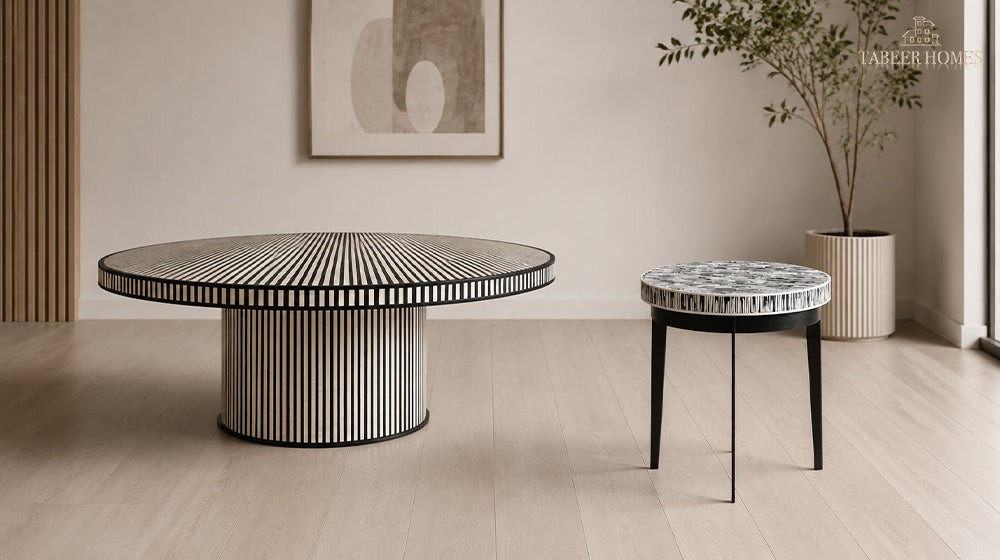
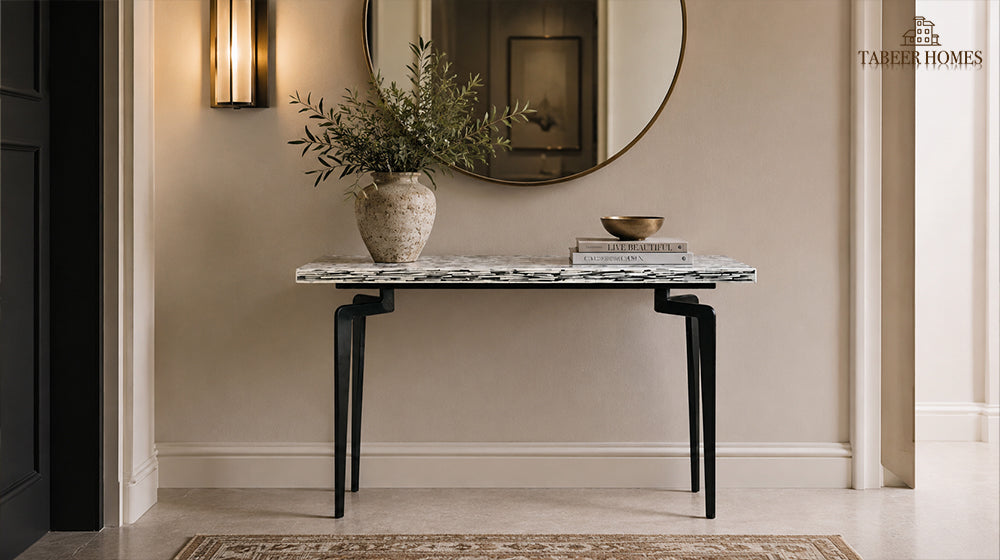
Seeing both materials applied to comparable furniture shapes makes the visual difference easier to judge than reading a description alone. Tabeer Homes' Yasmine Sideboard Buffet (160 x 50 x 90 cm) uses grey bone inlay in a dense, matte pattern across the full front, giving a strong graphic presence against a wood frame. By contrast, the Luna Cabinet in blue mother of pearl (145 x 45 x 87 cm) uses a floral motif in shimmering shell inlay set into a deep blue lacquered base, producing a softer, more luminous effect from the same general cabinet shape. Placing product images of both side by side, rather than reading specifications alone, is often the fastest way to settle a genuine style preference between the two.
Where Each Style Works Best in a GCC Home
Room function and lighting conditions in a typical UAE or GCC home make certain placements more natural fits for one material over the other.
- Majlis or formal living areas. Bone inlay's bold, graphic pattern suits a majlis built around rich textiles, dark wood, and strong pattern layering, holding its own visually in a room designed to make a statement.
- Dining rooms with abundant natural light. Mother of pearl's shimmer performs best where daylight or warm evening lighting can move across the surface, making a dining sideboard or buffet cabinet a strong candidate for the material.
- Bedrooms and dressing areas. Both materials work well here, though mother of pearl's softer glow tends to suit a bedroom's more restful mood, while bone inlay can anchor a bolder, more design-forward bedroom scheme.
- Entryways and hallways. High-traffic zones benefit from whichever material better hides fingerprints and daily wear against the specific wall color and lighting of that entry, which in practice often favors bone inlay's matte finish under lower ambient light.
Making the Final Decision
Neither bone inlay nor mother of pearl is the objectively better choice, and most buyers who ask which is better are really asking which one matches their room, since both are comparably durable and require nearly identical care once installed. Bone inlay brings a bold, matte, graphic quality that holds its own in high-contrast interiors, while mother of pearl brings movement and shimmer that suits softer, light-forward spaces. Tabeer Homes carries both techniques across sideboards, buffet cabinets, consoles, and decor accessories, and its own comparison of bone inlay and mother of pearl inlay furniture is worth a look if you want to see the full range of finishes available before deciding.
Frequently Asked Questions
Which is better, bone inlay or mother of pearl?
Neither is objectively better. Bone inlay suits bold, graphic, high-contrast rooms with its matte finish, while mother of pearl suits softer, light-filled spaces with its glossy, iridescent shimmer.
What is the main difference between bone inlay and mother of pearl?
The core difference is the inlay material itself, hand-carved camel bone versus nacre cut from oyster or mollusk shell, which produces a matte finish for bone inlay and a glossy, light-reflecting finish for mother of pearl.
Is mother of pearl furniture more expensive than bone inlay furniture?
Pricing depends more on piece size, design complexity, and finish details than on the inlay material itself, so neither material carries a fixed price premium over the other across the board.
Does mother of pearl scratch more easily than bone inlay?
Fine scratches tend to show up more visibly on mother of pearl because its reflective sheen highlights surface imperfections, while bone inlay's matte finish naturally disguises minor wear more effectively.
Can bone inlay and mother of pearl be combined on the same piece?
Yes, some handcrafted pieces combine both materials in a single design, using bone for structural pattern lines and mother of pearl accents for shimmer, though this is less common than single-material pieces.
How do you clean bone inlay and mother of pearl furniture?
Both materials are cleaned the same way, a soft dry microfiber cloth for regular dusting and a barely damp cloth for deeper cleaning, with spills blotted immediately to prevent moisture reaching the resin bond.

Leave a comment
This site is protected by hCaptcha and the hCaptcha Privacy Policy and Terms of Service apply.