




You walk through your own front door and see it before your guests do: a narrow table with a single lamp and a pile of unopened mail, looking more like a landing spot than a design feature. An entryway console table is the first piece of furniture anyone sees when they step into your home, and yet it is often the last one to get any real styling attention. Getting console table styling right does not require a full room renovation, just a handful of designer principles applied consistently to a surface that is usually no more than 40 to 45 cm deep.
Why the Entryway Console Table Sets the Tone
An entryway console table carries more visual weight than its size suggests, since it is the first piece of furniture a guest registers on entering a home and often the last one a resident sees on the way out the door. Because entryways tend to be narrow, dimly lit, and short on architectural detail, the console table and whatever sits on and above it becomes the primary opportunity to set a mood before anyone even reaches the main living space. The ten ideas below cover the techniques designers rely on most often to turn that narrow surface into a genuine first impression rather than an afterthought.
1. Anchor the Wall Above With a Mirror or Leaning Art
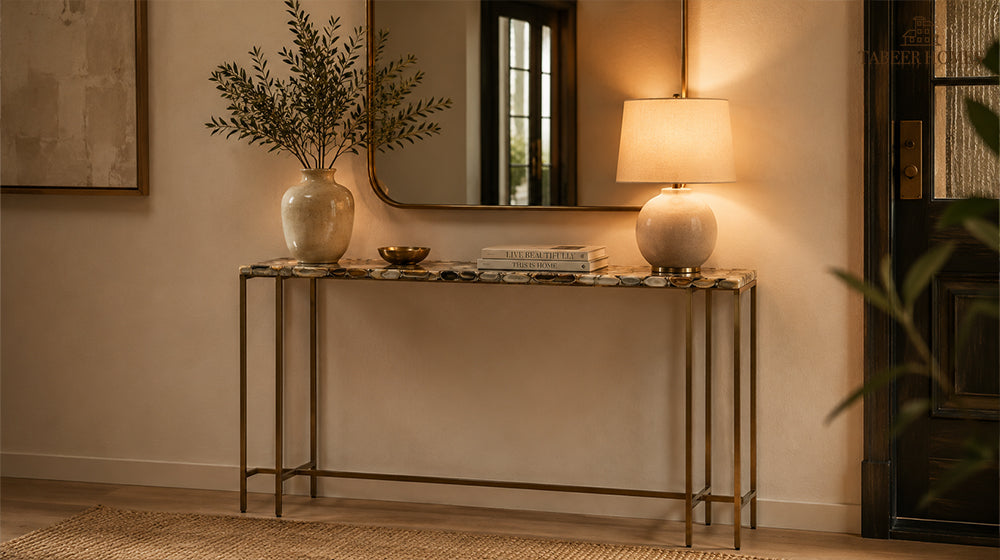
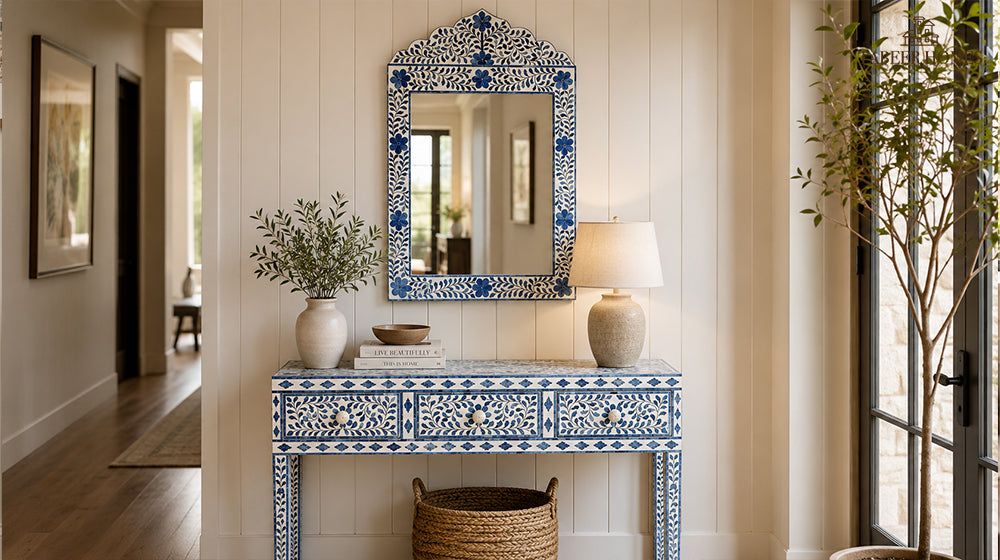
The single most common entryway styling move is hanging or leaning a large mirror above the console table, and for good reason. A mirror gives arriving and departing guests somewhere practical to check their appearance, while also bouncing light into a space that typically gets little natural sunlight. Leaning a piece of art against the wall rather than hanging it flat creates a slightly more relaxed, collected look, and layering a smaller piece of art in front of a leaned mirror adds depth without requiring any additional wall hardware. For entryways with lower ceilings, a taller vertical mirror can help stretch the perceived height of the space, while a wide horizontal mirror suits a longer console table better than a small round one that leaves too much bare wall on either side.
2. Add a Statement Lamp for Warmth and Function
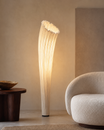
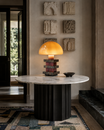
A table lamp does double duty in an entryway: it provides genuinely useful light in a space that overhead fixtures often leave dim, and it adds a warm, welcoming glow the moment someone walks through the door. A single sculptural lamp placed toward one end of the console creates an asymmetrical, editorial look, while a pair of matching lamps on either end delivers the more traditional, hotel-lobby symmetry that reads as polished and formal.
3. Ground the Look With a Rug Underneath
An entryway console table rarely gets styled with a rug in mind, but a runner or small area rug placed beneath it does more for the overall look than another decorative object on the surface itself. A rug defines the entryway as its own distinct zone rather than a stretch of hallway, adds warmth underfoot, and gives the eye a grounded starting point before it travels up to the console and the wall decor above it.
4. Use the High-Medium-Low Arrangement
Borrowed directly from professional stylists, the high-medium-low arrangement places one taller object, a lamp, a vase, or a sculpture, one mid-height item such as a stack of books, and one low, flatter piece like a shallow dish, positioned so the eye reads a natural stair-step across the table. This single rule does more to make a console table look professionally styled than any individual object choice, since it is the relationship between heights, not the objects themselves, that creates the polished effect. The same three-height logic scales to fit whatever the console's actual width allows, a narrow 110 cm table might only need one compact grouping, while a wider 150 cm or longer piece has room for two separate high-medium-low clusters positioned toward either end.
5. Add a Catch-All for Daily Essentials
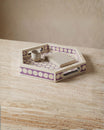
Function belongs on an entryway console table just as much as style does. A small dish or shallow bowl for keys, a tray for mail, or a lidded box for sunglasses keeps daily essentials in one predictable spot rather than scattered across counters elsewhere in the home. Positioning this catch-all toward the side closest to the door, rather than in the center of the arrangement, keeps it within easy reach without interrupting the visual flow of the rest of the display. A console genuinely earns its place in a busy household when the styled version and the functional version are the same object, not two separate setups that only coexist when guests are expected.
6. Choose a Console With Built-In Storage
Not every styling solution lives on top of the table. A console with a lower shelf, a drawer, or woven baskets underneath gives an entryway genuine storage capacity for shoes, scarves, or seasonal accessories that would otherwise clutter the surface itself. Baskets in particular are easy to swap by season, sun hats and sandals in summer, gloves and scarves in winter, without disturbing the styled arrangement on top of the console.
7. Bring In Texture With Natural Materials
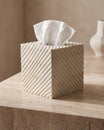
A console table styled entirely with smooth, similar-finish objects tends to read as flat, no matter how well the heights and colors are coordinated. Introducing at least one or two natural materials, a woven basket, a ribbed glass vase, a stone bowl, or a chunky knit runner, gives the arrangement the tactile variation that makes a display feel expensive rather than generic. This is especially effective in entryways, where natural texture helps compensate for spaces that often lack architectural detail or natural light. Slow-growth or long-lasting plants, varieties that hold their shape and color well even with minimal care, have become a popular choice for exactly this reason, adding organic texture without demanding the weekly attention fresh-cut flowers require in a space that people pass through quickly rather than linger in.
8. Match Accessories to Your Console's Style
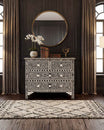
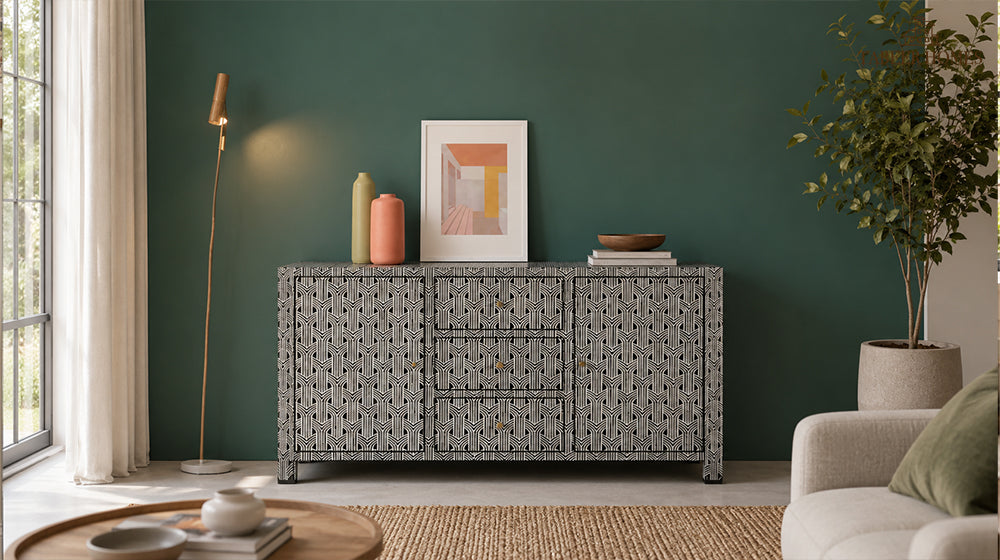
The console table itself should guide the accessories chosen for it rather than the other way around. A traditional carved-leg console suits a pair of classic lamps, a stack of leather-bound books, and a single decorative bowl or floral arrangement. A modern console with clean lines pairs well with bold, minimal artwork and one or two sculptural objects rather than a busy collection of smaller pieces. A rustic or reclaimed-wood console leans naturally toward woven baskets, fresh greenery, and warm metal accents, while a console featuring an intricate pattern, such as a bone inlay or mother of pearl finish, generally looks best with simpler, more restrained accessories that let the table's own detail remain the focal point. Fighting against a console's inherent style, styling a heavily patterned inlay piece with an equally busy collection of objects, rarely succeeds, since the two competing focal points cancel each other out rather than reinforcing one another.
9. Add Personal Touches Without Overcrowding
An entryway console table is one of the easiest places in a home to introduce genuine personality, a small stack of framed photos, a travel souvenir, or a family heirloom placed alongside the more neutral styling elements. The key is restraint: one or two personal objects integrated into the broader arrangement read as intentional, while a dense cluster of frames and keepsakes across the entire surface starts to compete with the console's own design rather than complementing it.
10. Rotate the Display Seasonally
A console table's small footprint makes it one of the easiest pieces of furniture in a home to refresh without a full redecorating effort. Swapping a single vase of flowers, a runner, or a seasonal accent, autumn branches, a Ramadan lantern, festive greenery, keeps the entryway feeling current throughout the year while the larger anchor pieces, the lamp, the mirror, the console itself, stay exactly where they are. This approach also means the investment in higher-quality anchor pieces pays off across every season rather than needing to be replaced with each style change.
Choosing the Right Size Console Table for Your Entryway
Styling only goes so far if the console table itself is poorly sized for the space, so it is worth confirming the fit before investing time in decor. As a general guideline, leave at least 90 cm of clear walking space in front of the table so the entryway does not feel obstructed, and choose a width that leaves roughly 15 to 20 cm of breathing room on either side of the table rather than running edge to edge across the available wall. Depth matters more in an entryway than almost any other room in the home, since a table that is too deep can narrow an already tight walking path; most entryway consoles run between 30 and 45 cm deep for exactly this reason, noticeably shallower than a dining sideboard or buffet cabinet. Height typically falls between 75 and 85 cm, a range chosen to sit comfortably below a hung or leaned mirror while still functioning as a genuine surface for keys, mail, or a lamp.
Console Table Lighting Beyond the Lamp
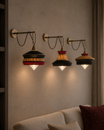
A table lamp is the most common lighting choice for an entryway console, but it is not the only option worth considering. Wall-mounted sconces positioned on either side of a mirror free up surface space entirely, which is particularly useful on a narrower console where a lamp base would otherwise crowd the high-medium-low arrangement described earlier. In entryways with limited electrical outlets, battery-operated or plug-in puck lights tucked beneath a floating console shelf can add a subtle glow without requiring an electrician. Whatever the source, warm-toned bulbs generally suit an entryway better than cool white light, since the goal is a welcoming glow rather than the brighter, more clinical light suited to a kitchen or home office.
Common Console Table Styling Mistakes to Avoid
A handful of recurring errors undercut even a well-planned entryway console table styling by ratio.
- Overcrowding a narrow surface. Console tables are shallower than sideboards or buffet tables, typically 35 to 45 cm deep, so the same number of objects that would look balanced on a wider piece can look cramped here.
- Skipping the functional layer entirely. A console styled purely for looks, with no tray or dish for keys and mail, tends to accumulate loose clutter anyway, undermining the polished look within days.
- Choosing a mirror or art piece too small for the table. A narrow mirror above a wide console leaves awkward empty wall space on either side, breaking the visual connection between the wall decor and the furniture below it.
- Matching every metal and material in the room exactly. A slightly imperfect mix of finishes reads as collected and personal, while an entryway where every object matches too precisely can feel more like a showroom display than a lived-in home.
- Placing the console too close to a door swing. Even a well-proportioned table can interfere with a door opening fully or a closet being accessed comfortably, so checking clearance against every door and drawer that operates near the entryway prevents a frustrating daily obstacle.
How to Style Console Table Decor for a Small Entryway
Compact entryways benefit from the same ten ideas scaled down rather than a different approach altogether. A single lamp instead of a pair, one high-medium-low grouping instead of two separate vignettes, and a smaller mirror proportioned to the narrower console keep a tight space from feeling overwhelmed. In these smaller footprints, the catch-all tray and the mirror above the table typically matter more than additional decorative objects, since function and a strong focal point do more visual work in a compact space than an elaborate multi-object arrangement ever could. A console with a lower shelf or open base also earns its keep more in a small entryway than in a larger one, since it lets shoes or bags stay off the floor without requiring a separate storage piece that the space may not have room for in the first place. Where floor space is truly at a premium, a slim floating console mounted directly to the wall can free up the area below entirely for a shoe rack or umbrella stand, trading some tabletop surface area for genuine floor clearance.
Bringing the Ten Ideas Together
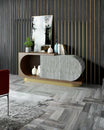
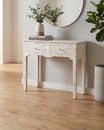
The strongest entryway console table styling combines only three or four of these ideas at once rather than attempting all ten simultaneously: a mirror or leaning art above, a single statement lamp, a high-medium-low grouping, and a functional catch-all for keys and mail. Starting small and adding one element at a time, rather than trying to execute the full list in a single afternoon, also makes it easier to judge whether each addition genuinely improves the arrangement or simply adds more objects to a surface that was already working well. Tabeer Homes' Jade Console Table in grey bone inlay (135 x 45 x 75 cm) demonstrates how a piece with its own strong floral pattern can anchor an entryway on its own, needing only restrained styling above and around it rather than a heavily layered arrangement. The Rosetta Bone Inlay Console (150 x 45 x 85 cm), with its arched legs and pink floral bone inlay, works particularly well when styled per idea eight, letting the console's own detail lead while accessories stay simple. For a broader look at how console tables compare to other storage furniture before choosing one for your entryway, see our guide on sideboard buffet cabinets versus console tables .
Frequently Asked Questions
How do you style a console table step by step?
Start with a focal point above the table, add a lamp for warmth and function, arrange objects using the high-medium-low method, and finish with a functional catch-all for keys or mail near the door-facing edge.
What is the high-medium-low rule for console table decor?
It refers to arranging one tall object, one mid-height item, and one low, flat piece together so the eye reads a natural stair-step across the surface, a technique designers use to make any console table look professionally styled.
How many items should be on an entryway console table?
Most designer-styled console tables use a focal lamp or mirror-anchored grouping plus one small collection of three items, keeping the shallower surface from feeling crowded compared to a wider sideboard.
Should you put a rug under a console table?
Yes, a runner or small rug beneath an entryway console table helps define the space as its own zone and adds warmth underfoot, complementing the styling happening on the table's surface.
How do you style a console table for a small entryway?
Scale down rather than change approach: use a single lamp instead of a pair, one grouping instead of two, and a mirror sized to the console's actual width so the space does not feel overwhelmed.
How often should entryway console table decor be updated?
Swapping a vase of flowers or a seasonal accent every few weeks to a few months keeps the display feeling current, while the larger anchor pieces, the lamp, mirror, and console itself, can stay the same year-round.

Leave a comment
This site is protected by hCaptcha and the hCaptcha Privacy Policy and Terms of Service apply.