




Every living room eventually reaches the same small crisis: a sofa with nowhere to set down a drink, a remote sliding between cushions, a lamp with no surface to sit on. Choosing side tables for living room use solves this, but only if the table actually fits the specific sofa, chair, and layout it needs to serve, since a table sized for a generic living room rarely performs as well as one chosen for your actual seating arrangement. This guide focuses on the living-room-specific decisions, sofa type, layout shape, and end table placement, that a general side table buying guide does not have room to cover in depth.
Living Room Side Table Basics: What Actually Matters
A living room side table exists to hold what your seating arrangement needs within reach, a drink, a lamp, a remote, a book, without requiring anyone to lean or reach awkwardly. Height and size follow the same core principles as any side table category, matching table height to sofa arm height and leaving adequate clearance around the piece. What differs in a living room specifically is the variety of seating configurations a side table needs to work around, sectionals, two-sofa layouts, single sofas paired with accent chairs, each presenting a slightly different sizing and placement challenge covered in the sections below.
Matching Height to Your Specific Sofa Type
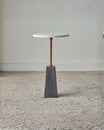
Sofa arm height varies more than most buyers expect, and this variation matters more for a side table than almost any other measurement. A low-profile, mid-century-style sofa often has an arm height closer to 55 to 60 cm, while a more traditional, plush sofa can run 65 to 70 cm at the arm. A sofa side table should sit at or within a few centimeters of this specific arm height, since a table noticeably taller or shorter than your actual sofa makes reaching a drink or setting down a book feel awkward regardless of how attractive the table looks. Measuring your specific sofa's arm height before shopping, rather than relying on a general average, catches this mismatch before it becomes a daily annoyance rather than after the table has already arrived.
End Table Vs Sofa Table: A Living Room-Specific Distinction
The terms end table and side table are often used interchangeably in a living room context, though a subtle distinction exists worth understanding when comparing options. An end table specifically refers to a table positioned at the end of a sofa, typically beside one arm, sized to match that arm's height for comfortable reach while seated. A sofa table, by contrast, is a longer, narrower table positioned behind a sofa rather than beside it, typically used when a sofa floats in the middle of a room rather than sitting against a wall, offering a display and functional surface along the sofa's back. Both terms fall under the broader side table category, but their placement and proportions differ enough that confirming which configuration a specific listing describes matters before ordering, particularly when shopping for a sofa that floats in an open-plan layout rather than sitting against a wall.
Sizing for a Sectional Sofa Layout
A sectional sofa's L-shape or U-shape creates side table placement challenges a straight sofa does not, since the layout typically includes both a main seating run and a shorter perpendicular section. Positioning a side table at the outer end of the longer sectional arm, rather than in the interior corner where the two sections meet, generally makes the most practical sense, since the corner position often sits at an awkward distance from any single seat. For sectionals with a chaise section, a table positioned at the chaise's foot end offers a stable surface for anyone using that section, though depth should stay on the shallower side, closer to 35 cm, to avoid intruding on the chaise's own footprint. Buyers with a particularly large sectional sometimes benefit from two side tables at opposite ends of the seating run rather than one, ensuring every section of a long sectional has genuine access to a nearby surface. U-shaped sectionals present an additional consideration beyond L-shaped layouts, since the two facing arms at either end of a U-configuration often benefit from a table at each outer end rather than attempting to serve the entire seating run from a single central position, which would leave whoever sits farthest from that central table without convenient access to a surface.
Sizing for a Two-Sofa or Symmetrical Layout
A living room built around two facing sofas, common in larger or more formal spaces, often calls for a different side table approach than a single-sofa room. A matched pair of side tables, one at the outer end of each sofa, creates visual symmetry that suits this layout's inherently balanced structure. Choosing identical tables for both positions reinforces the room's formal symmetry, while a deliberately mismatched pair, related in material or color but not identical in shape, offers a more relaxed, collected alternative for a room that wants some of the same balance without feeling overly matched. In this layout, a shared coffee table typically sits between the two facing sofas, making side table height coordination with that central piece worth considering alongside the sofa-arm matching already covered, since the two tables at different heights within the same sightline can look disjointed if the height difference is too pronounced. This layout also tends to draw more attention to the side tables than a single-sofa room would, since guests seated on either sofa face the opposite side table directly across the coffee table, making material and finish quality worth prioritizing here more than in a layout where the tables sit further from the room's main sightlines.
Sizing for a Single Sofa With Accent Chairs
A living room built around one sofa and one or two accent chairs, common in smaller apartments or more casual layouts, offers more flexibility in side table placement than a symmetrical two-sofa room. A single accent table positioned between the sofa and an adjacent chair can serve both pieces of seating simultaneously, provided it sits at a height reasonably close to both the sofa arm and the chair arm, even if not a perfect match for either. For rooms where the sofa and chairs sit at meaningfully different heights, a dedicated table for each piece of seating, sized individually to match, generally serves better than a single compromise table attempting to split the difference between two mismatched heights.
Choosing a Style That Suits Living Room Use
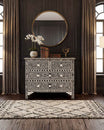
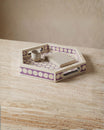
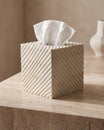
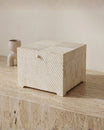
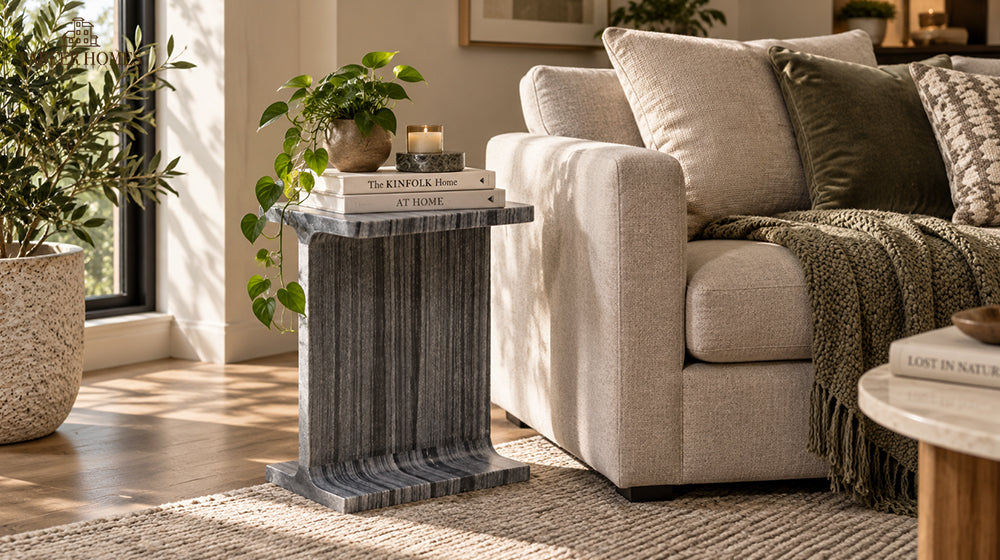
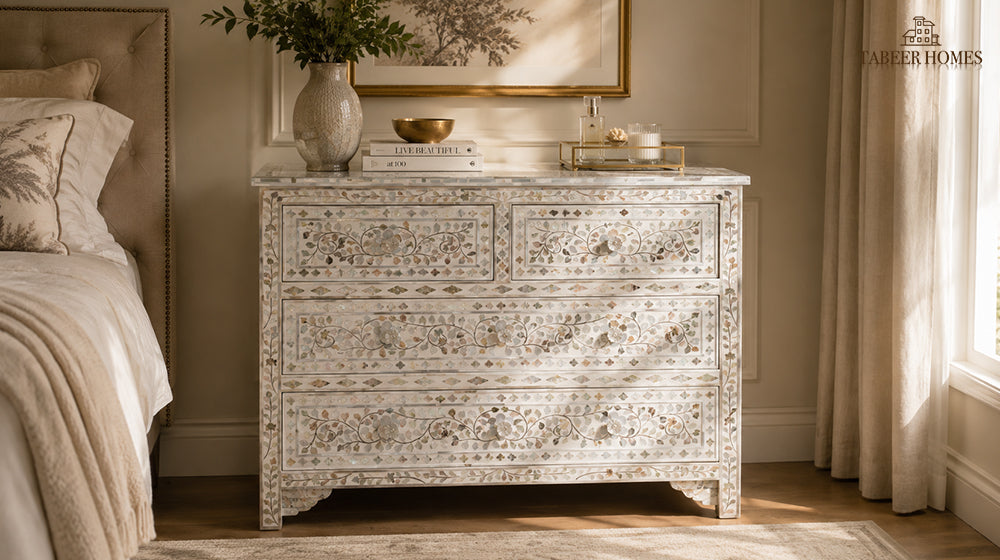
A living room side table sees more varied use than a bedside table, holding everything from remotes and coasters to decorative objects and the occasional laptop, which makes durability and surface practicality worth weighing alongside style. Solid wood offers a durable, low-maintenance option suited to nearly any living room style. Marble brings a cool, polished surface resistant to daily wear, particularly practical for a table that regularly holds drinks. Bone inlay and mother of pearl bring genuine handcrafted pattern and shimmer, adding a design statement that plain materials cannot match, though both benefit from coasters and reasonably gentle handling given their more frequent living room use. Metal and glass combinations offer a lighter, more contemporary alternative, often the most budget-friendly option and well suited to a minimalist living room.
Nesting Tables for Flexible Living Room Entertaining
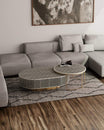
For a living room that regularly hosts guests, a nesting side table set offers genuine practical value beyond its space-saving footprint. A nesting set typically includes two or three graduated tables that tuck together when not in full use, expanding to offer additional surface area exactly when a gathering calls for more spots to set down drinks. This flexibility particularly suits a smaller living room where a single large side table would otherwise sit underused most of the time, since the full set's footprint can shrink down to just the largest table's space requirement during normal daily use. Nesting tables also work well positioned beside a single sofa or accent chair, offering the option to pull a second small table over to an ottoman or extra seating spot during a gathering without needing to source an additional piece of furniture.
Styling a Living Room Side Table Without Losing Function
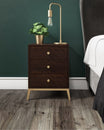
A living room side table's styling needs to accommodate genuine daily use more than a purely decorative accent table elsewhere in the home. A lamp remains the most reliable anchor for the surface, providing actual task or ambient lighting alongside its visual role. Beyond the lamp, keeping the styling minimal, a small dish for remotes, a single coaster stack, one decorative object, preserves enough open surface for a drink or a book without the table feeling either bare or overcrowded. Trays work particularly well on a living room side table specifically, since they let you group loose items like remotes and coasters into one liftable unit, keeping the surface tidy without requiring a search through drawers every time the table needs to be cleared for a larger gathering. For households with children or frequent guests, prioritizing durable, easily wiped decorative objects over delicate ones reduces the friction between styling ambition and the table's genuine daily function.
Living Room Side Tables and Room Lighting
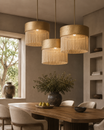
Beyond holding a lamp, a side table's position relative to a room's natural and artificial light sources affects both its practical lighting contribution and how well any decorative material, particularly bone inlay or mother of pearl, actually shows off its detail. A table positioned near a window benefits from natural daylight highlighting its material and finish during the day, while the same position often calls for a lamp to fill the gap once evening falls. For a living room relying heavily on overhead lighting alone, a side table lamp fills in the softer, more ambient lighting that overhead fixtures typically cannot provide on their own, making the table's lighting contribution as practically important as its surface function. Symmetrical lamp placement across a matched pair of side tables also helps balance a room's overall lighting scheme, avoiding the unevenly lit feeling that comes from relying on a single light source positioned to one side of a seating arrangement.
Placement Checklist for Living Room Side Tables
Bringing the living-room-specific considerations together into a practical checklist:
- Measure your specific sofa or chair's arm height rather than relying on a general average.
- Identify your layout type , sectional, two-sofa, or single sofa with accent chairs, since each calls for a different placement strategy.
- Confirm depth suits the available space , particularly for sectionals with a chaise section where floor space is tighter.
- Decide between a matched pair or a single table based on whether your layout is symmetrical or more casual.
- Consider a nesting set if your living room regularly hosts gatherings that call for flexible extra surface area.
- Match material to actual use , prioritizing durability for a heavily used spot near frequent seating.
Common Mistakes When Choosing Living Room Side Tables
A handful of recurring errors account for most of the regretted purchases in this specific context.
- Choosing one table style for every seating position without checking each spot's actual arm height. Sofas and chairs within the same room often sit at different heights, and a single table style rarely suits every position equally well.
- Ignoring sectional chaise footprint when placing a nearby table. A table sized correctly for a straight sofa arm can still intrude on a chaise's floor space if depth is not specifically considered.
- Assuming symmetry is always the goal. A matched pair suits a formal, symmetrical layout, but a single-sofa room with accent chairs often looks more considered with a single well-chosen table than a forced pair.
- Underestimating how often the table will hold more than a lamp. A living room side table frequently handles drinks, remotes, and books simultaneously, so surface area matters more here than it might for a purely decorative accent table elsewhere in the home.
Bringing It All Together
Choosing side tables for a living room comes down to matching height to your specific seating, choosing placement suited to your layout type, sectional, two-sofa, or single sofa with chairs, and selecting a material that holds up to genuinely varied daily use. Whether you land on a warm wood end table, a durable marble accent piece, or a bone inlay or mother of pearl statement table, matching the table to your actual sofa or chair rather than a general average will do more for daily comfort than choosing on style alone. Measuring first and shopping second remains the single most reliable habit across every layout type covered here, regardless of which material or style ultimately wins out.
Frequently Asked Questions
What height should a living room side table be?
A side table should sit at or within a few centimeters of your specific sofa or chair's arm height, typically between 45 and 70 cm depending on the exact seating style.
What is the difference between an end table and a sofa table?
An end table sits beside a sofa arm at matching height, while a sofa table is a longer, narrower piece positioned behind a sofa that floats away from a wall.
How do I choose a side table for a sectional sofa?
Position it at the outer end of the longer sectional arm rather than the interior corner, and choose a shallower depth near a chaise section to avoid intruding on its footprint.
Should living room side tables match each other?
Not necessarily. A matched pair suits a symmetrical, formal layout, while a single-sofa room with accent chairs often looks more intentional with one well-chosen table rather than a forced pair.
Are nesting side tables good for a living room that hosts guests?
Yes, a nesting set offers flexible surface area for gatherings while keeping a smaller footprint during everyday use, particularly useful in a living room with limited space.
What material is best for a living room side table?
It depends on use: wood offers durable, low-maintenance versatility, marble resists daily wear well, and bone inlay or mother of pearl bring genuine handcrafted pattern for a statement piece.

Leave a comment
This site is protected by hCaptcha and the hCaptcha Privacy Policy and Terms of Service apply.