


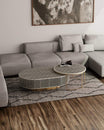
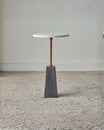
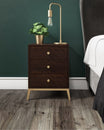
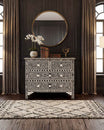
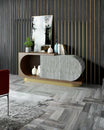
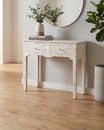
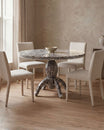

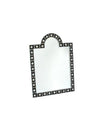

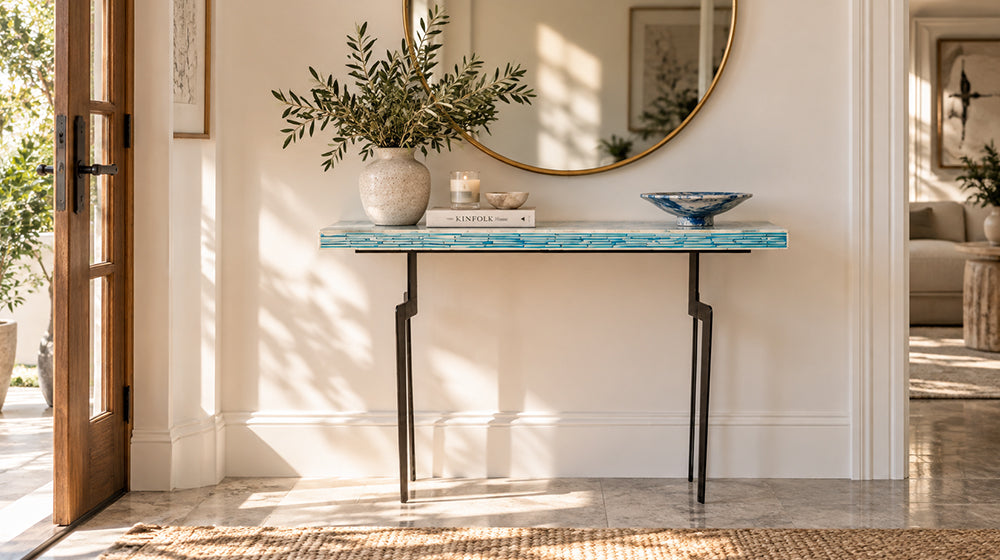
You walk through your own front door a dozen times a day, yet most entryways in Dubai apartments and villas look like an afterthought: a shoe rack, a mirror, maybe a plain side table nobody remembers buying. Then you see a cobalt blue console with hand-set bone inlay catching the light from the doorway, and the whole entry reads differently. That shift, from forgettable to intentional, is exactly what a blue handcrafted console brings to a home, and it is why this piece has become one of the most searched entryway furniture categories among UAE and GCC homeowners redoing their entry spaces this year.
This guide walks through what makes a handcrafted console table worth the investment, how blue inlay finishes are actually made, sizing rules that prevent an entryway from feeling cramped or bare, and how to style the piece so it does not compete with everything else in the room.
Why Entryway Furniture Deserves More Thought Than It Gets
Most homeowners spend weeks choosing a sofa and about five minutes choosing what goes by the front door. That is a mismatch, because the entryway is the first and last thing every guest sees.
According to Mordor Intelligence's 2026 market report, the UAE home furniture market was valued at USD 2.78 billion in 2025, with specialty furniture st ores holding 43.92% of revenue share that year as buyers increasingly sought in-person visualization and design consultation before purchasing statement pieces. That preference for considered, specialty purchases over generic big-box furniture shows up nowhere more clearly than in entryway design, where one well-chosen piece does more work than five mediocre ones.
A console table in this spot is not decorative filler. It is functional storage, a landing pad for keys and mail, and a design statement that sets the tone for the rest of the home, all in a footprint that is usually under half a square metre.
What Separates a Handcrafted Piece From a Mass-Produced One
A factory-made console is cut, assembled, and lacquered by machine in a single pattern repeated thousands of times. A handcrafted console table goes through a different process entirely.
Each inlay panel is built by hand, piece by piece, which is why no two tables are ever perfectly identical. That variation is the point, not a flaw. Buyers looking for a unique console table are specifically avoiding the uniformity of mass production.
How Blue Inlay Consoles Are Actually Made
Understanding the construction helps explain both the price and the durability of these pieces, and it separates a genuine blue inlay console from a printed or painted imitation.
The process starts with a solid wood frame, typically mango wood or sheesham, chosen for its density and resistance to warping in humid coastal climates. Artisans then hand-cut thin slivers of bone, camel bone, or mother of pearl into geometric or floral shapes, dye them in the desired blue tone, and set each piece individually into a resin-carved groove on the wood surface. The final surface is sanded flat and sealed multiple times until the inlay sits flush with the wood.
Materials Used in Blue Inlay Work
The blue in these pieces comes from one of three sources, and the source affects both appearance and price.
- Dyed bone inlay: the most common and affordable option, offering a rich, even cobalt or navy tone
- Dyed mother of pearl inlay: pricier, with a subtle iridescent shimmer under direct light
- Blue resin inlay combined with bone accents: used for bolder, more graphic geometric patterns
Each material behaves differently under UAE indoor climate conditions, particularly around humidity control from air conditioning, which brings us to a common buyer question: how do these finishes actually compare side by side.
Comparing Console Table Materials for UAE Homes
Buyers researching a unique console table for an entryway usually narrow their choice to three or four material categories before deciding. The table below breaks down how the main options compare on the factors that matter most in a GCC climate.
|
Material Type |
Typical Width Range |
Humidity Resistance |
Best For |
|
Bone inlay on mango wood |
90 cm to 140 cm |
High, with proper sealing |
Bold color statements, blue and navy tones |
|
Mother of pearl inlay |
90 cm to 130 cm |
High |
Subtle shimmer, lighter-traffic entryways |
|
Solid marble top with wood base |
100 cm to 160 cm |
Very high, resists moisture well |
Villas with larger, brighter entry halls |
|
Painted or veneered MDF |
80 cm to 120 cm |
Low to moderate over time |
Budget-conscious, short-term use |
Bone and mother of pearl inlay pieces sit in a similar price and durability bracket, while marble tables trend larger and heavier, and veneered options trade longevity for a lower upfront cost.
Getting the Size Right for Your Entryway
An entryway console that is too large blocks movement. One that is too small disappears against a wall. Getting the proportions right matters more than most buyers expect before they measure their own space.
Measuring Your Space Before You Shop
Walk your entryway with a tape measure before browsing options online. Leave at least 90 cm of clear walking space in front of the console so the door can open fully and two people can pass each other without turning sideways.
- Measure the total wall length available for the console
- Subtract 90 cm minimum for walking clearance in front
- Choose a console no wider than 70% of the remaining wall length
- Check ceiling height to confirm a mirror or art piece above will not feel cramped
- Confirm the depth, ideally between 30 cm and 40 cm, does not intrude on the walkway
A narrow entry hall under 10 square metres generally suits a console between 90 cm and 110 cm wide, while a wider foyer in a villa can handle a piece from 130 cm to 160 cm without overwhelming the space.
Styling a Blue Console Without Overdoing It
A console this visually rich does not need much help. The most common styling mistake is treating it like a display shelf and covering every inch of the surface.
Leave roughly 60% of the tabletop visible. A single tall vase, a low ceramic bowl for keys, and one small stack of books or a tray is generally enough. Anything more competes with the inlay pattern itself, and the detail that justified the purchase gets lost under clutter.
Pairing With the Rest of the Entryway
The blue in an inlay console reads differently depending on what surrounds it, so a few pairing principles help keep the space cohesive.
- Pair with warm brass or antique gold mirror frames rather than cool silver, since gold tones complement the bone and wood base
- Use a neutral runner rug beneath, such as jute or a low-pile wool in cream or sand, to avoid pattern overload
- Add wall sconces instead of an overhead pendant if the entry is narrow, since sconces free up floor space
- Keep wall art limited to one or two pieces so the console remains the visual anchor
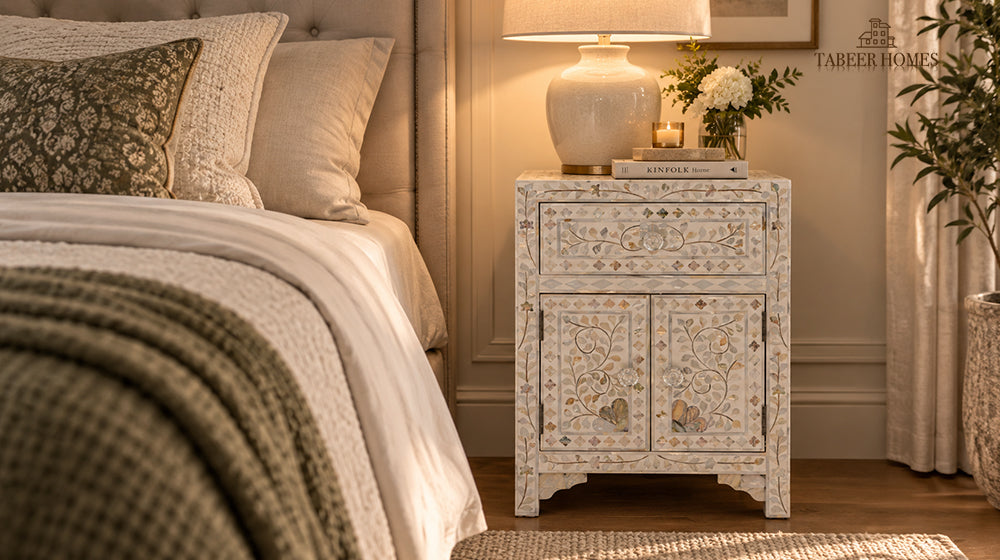
Tabeer Homes, a Dubai-based brand producing handcrafted bone inlay and mother of pearl furniture, notes that pairing an inlay console with a matching accent piece, such as a small bone inlay side table in an adjacent living area, creates visual continuity between rooms without requiring an identical color match throughout the home.
Caring for Inlay Furniture in the Long Term
Bone and mother of pearl inlay pieces are more resilient than many buyers assume, provided they get basic, consistent care rather than occasional deep cleaning.
Wipe the surface with a dry, soft cloth daily to prevent dust buildup in the inlay grooves, which is where grime becomes visible first. Avoid direct, prolonged sunlight on the tabletop, since UV exposure can fade dyed bone inlay faster than the surrounding wood finish. For deeper cleaning, a barely damp cloth followed immediately by a dry one works better than any liquid cleaner, since standing moisture can seep into the resin seams over time.
Signs of Wear to Watch For
A well-made piece should last decades, but a few early warning signs are worth checking every few months.
Loose inlay pieces usually mean the resin seal has dried out at that spot, which a furniture restorer can typically fix without replacing the panel. Hairline cracks in the wood base, especially near joints, often point to humidity swings rather than poor craftsmanship, and are more common in homes where air conditioning cycles on and off unevenly through the day.
Planning Around Seasonal Entryway Refreshes
Many households update entryway decor ahead of Ramadan and Eid gatherings, when guest traffic through the front door rises sharply. For households planning around Ramadan 2027, which is expected to begin in mid-February based on the lunar calendar's typical annual shift, ordering a handcrafted console table several months in advance is worth considering, since hand-inlaid pieces take longer to produce than machine-made furniture and demand for statement entryway pieces tends to rise closer to the holiday season.
Readers coming across this guide well outside that window should treat the timing note as a planning reference rather than an immediate deadline, since handcrafted furniture lead times are worth building into any renovation schedule regardless of season.
A console table is rarely the most expensive item in a home, but it earns an outsized share of attention because it sits at the one point every visitor passes through. Choosing a piece with genuine hand-set inlay, sized correctly for the space, and styled with restraint turns a functional landing spot into the detail people actually remember about a visit.
Frequently Asked Questions
What makes a console table "handcrafted" rather than machine-made?
A handcrafted console is built with individually cut and hand-set inlay pieces, resulting in a wood frame and finish shaped by artisan labor rather than automated cutting and printing. This is why patterns vary slightly between pieces and why production takes longer than factory manufacturing.
How wide should a console table be for a small entryway?
For entry spaces under 10 square metres, a console between 90 cm and 110 cm wide generally fits without blocking movement. Always leave at least 90 cm of clear walking space in front of the piece for the door to open fully.
Does blue bone inlay fade over time?
Dyed bone inlay can fade gradually with prolonged direct sunlight exposure, similar to how any dyed natural material behaves under UV light. Positioning the console away from direct window light and wiping it regularly helps preserve the color for years.
Can I use a blue inlay console outdoors or in a humid area?
These pieces are designed for indoor use only. The resin seals and dyed bone inlay are not built to withstand outdoor humidity, rain, or direct sun exposure, and prolonged moisture can loosen the inlay over time.
How is a bone inlay console different from a mother of pearl inlay console?
Bone inlay offers a flatter, more uniform matte or dyed finish, while mother of pearl inlay has a natural iridescent shimmer that shifts under different lighting. Mother of pearl pieces typically cost more due to the material's higher sourcing cost.
What is the typical lead time for ordering a handcrafted console table?
Because each piece is inlaid by hand, production timelines usually run several weeks longer than mass-produced furniture, particularly during high-demand periods before major holidays. Ordering at least two to three months ahead of a planned event or renovation deadline is a reasonable buffer.

اترك تعليقًا
This site is protected by hCaptcha and the hCaptcha Privacy Policy and Terms of Service apply.