


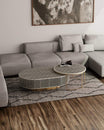
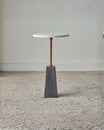
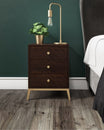
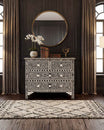
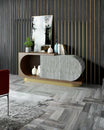
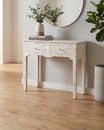
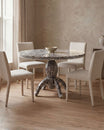

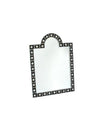


غرف المعيشة اليوم مصممة لتكون منسقة ومريحة في آنٍ واحد. كل عنصر له غرض، وغالبًا ما تحمل قطع الأثاث الصغيرة مسؤولية التصميم الأكبر. ومن بينها، تطورت الطاولات الجانبية لغرفة المعيشة لتصبح دعامات أساسية للأناقة بدلاً من مجرد أدوات نفعية بسيطة.
من دعم الروتين اليومي إلى تشكيل الإيقاع البصري للمساحة، يمكن للطاولة الجانبية المناسبة أن تغير مظهر ووظيفة غرفة المعيشة. تتطلب المنازل الحديثة أثاثًا يبدو مقصودًا وقابلاً للتكيف ومصقولًا. لم يعد اختيار الطاولة الجانبية المناسبة مجرد فكرة لاحقة، بل هو قرار تصميم مدروس.
ادرس تخطيطات غرفة المعيشة قبل اختيار الطاولات الجانبية
قبل اختيار الطاولات الجانبية، من المهم فهم تخطيط غرفة المعيشة. فكل من الشقق المدمجة، والصالات المفتوحة، ومناطق الجلوس الرسمية تتطلب نهجًا مختلفًا.
في غرف المعيشة الصغيرة، يجب أن تعزز الطاولات الجانبية قابلية الاستخدام دون أن تزحم المساحة. هنا، تعمل التصميمات النحيفة والتشطيبات الفاتحة بشكل أفضل. أما في الغرف الأكبر، يمكن أن تعمل الطاولات الجانبية كروابط بصرية بين مناطق الجلوس، مما يساعد التخطيط على أن يبدو متماسكًا بدلاً من مبعثرًا.
يجب أن يوجه اختيار الطاولات الجانبية وضع الأرائك والكراسي بذراعين والممرات. تدعم الطاولة الجانبية المختارة جيدًا الحركة، وتوازن الأبعاد، وتضيف لمسة من الأناقة دون أن تسيطر على الغرفة.
لماذا أصبحت الطاولات الجانبية لتصميم غرفة المعيشة أكثر أهمية اليوم
غرف المعيشة اليوم تهدف إلى أن تبدو منسقة ومريحة في آن واحد. كل قطعة أثاث لها غرض، وغالبًا ما تتطلب القطع الأصغر أكبر قدر من العمل التصميمي. ومن بينها، أصبحت الطاولات الجانبية لغرفة المعيشة دعامات أساسية للأناقة بدلاً من مجرد قطع عملية.
يمكن للطاولة الجانبية المناسبة أن تغير مظهر ووظيفة غرفة المعيشة من خلال دعم المهام اليومية وتشكيل الإيقاع البصري للمساحة. يرغب الأشخاص الذين يعيشون في منازل حديثة في أثاث يبدو مخططًا له، ومرنًا، ومصقولًا. لم يعد اختيار الطاولة الجانبية المناسبة فكرة لاحقة؛ بل هو قرار تصميم مدروس.
كيف ترتب غرفة المعيشة الخاصة بك باستخدام الطاولات الجانبية؟
قبل اختيار الطاولات الجانبية، تحتاج إلى معرفة كيفية ترتيب غرفة المعيشة. تحتاج إلى استخدام طرق مختلفة لشقة صغيرة، وصالة ذات مخطط مفتوح، ومنطقة جلوس رسمية.
في غرف المعيشة الصغيرة، يجب أن تجعل الطاولات الجانبية الغرفة أكثر فائدة دون أن تشغل مساحة كبيرة. هنا، تعمل التصميمات النحيفة والتشطيبات الفاتحة بشكل أفضل.
يجب أن يعتمد الاختيار على وضع الأرائك والكراسي والممرات. تضفي الطاولة الجانبية المختارة جيدًا لمسة نهائية دون إثقال الغرفة، وتعزز الحركة، وتوازن النسب.
لماذا أصبحت الطاولات الجانبية أكثر أهمية لأسلوب غرفة المعيشة اليوم
التصميم الطبقي مهم في التصميمات الداخلية الحديثة. تتكون الغرف من مجموعات صغيرة من الشكل والملمس والنسب، وليس قطعة واحدة كبيرة. وتعتبر الطاولات الجانبية جزءًا كبيرًا من هذا المظهر الطبقي.
يمكن للطاولة الجانبية المختارة بعناية أن تخفف خطوط الأثاث الحادة، أو تضيف دفئًا، أو تخلق تباينًا من خلال مادتها وتشطيبها.
الطاولات الجانبية مفيدة للاسترخاء والترفيه وحتى العمل من المنزل. وهذا يجعلها مناسبة تمامًا لغرف المعيشة متعددة الأغراض.
الجاذبية الخالدة للطاولة الجانبية الخشبية
لا تزال الطاولة الجانبية الخشبية خيارًا شائعًا لتصاميم غرف المعيشة. يضيف الخشب دفئًا طبيعيًا وعمقًا للغرفة، مما يوازن عناصر التصميم الحديثة.
تتميز الطاولات الخشبية أيضًا بعمرها الطويل، وهو ميزة أخرى. فهي تتحسن مع التقدم في العمر وتظل ذات صلة حتى مع تغير الأنماط. إنها مثالية لغرف المعيشة التي تعطي الأولوية للتصميم على الزمن، فهي خالدة.
طاولات جانبية عصرية ومظهر نظيف لغرفة المعيشة
تتميز الطاولات الجانبية الحديثة بأشكال نظيفة، ونسب مدروسة جيدًا، وتفاصيل إضافية قليلة. غالبًا ما تحتوي على أسطح ناعمة، وأشكال بسيطة، وتفاصيل مصنوعة بدقة.
هذه الطاولات مثالية لغرف المعيشة الحديثة حيث تكون الرؤية الواضحة مهمة. إنها لا تلفت الانتباه إلى نفسها؛ بدلاً من ذلك، تكمل ترتيب المقاعد وتجعل الغرفة تبدو أكثر انفتاحًا.
يمكن أيضًا تصميم الطاولات الجانبية الحديثة عن قصد. نظرًا لبساطتها، يمكن أن تبرز العناصر الزخرفية، مثل الأضواء أو الكتب، دون جعل الغرفة تبدو فوضوية. ونتيجة لذلك، فهي خيار شائع للتصميمات الداخلية الراقية التي تعطي الأولوية للبساطة والأناقة.
كيفية مطابقة الطاولات الجانبية مع ترتيبات الجلوس
من المهم أن تكون متناسقًا. يجب أن تكون الطاولات الجانبية بالحجم والارتفاع المناسبين للمقاعد. يمكن أن تجعل الطاولات الكبيرة جدًا منطقة الجلوس تبدو مزدحمة، ويمكن أن تجعل الطاولات الصغيرة جدًا تبدو فارغة.
يؤدي استخدام طاولتين جانبيتين على طرفي أريكة في غرفة معيشة أكبر إلى جعل الغرفة تبدو أكثر توازنًا وتنظيمًا. يمكن أن يؤدي مزج الأنماط التي تكمل بعضها البعض إلى إضافة طابع مميز مع الحفاظ على الترتيب في الأماكن الأكثر استرخاءً.
أشياء يجب التفكير فيها عند اختيار المواد والتشطيبات للمنازل الحديثة
المادة التي تختارها لطاولاتك الجانبية لها تأثير كبير على كيفية توافقها مع بقية غرفة المعيشة. ينقل الخشب الدفء، ويضيف المعدن تباينًا، ويضيف الحجر ملمسًا وفخامة.
تعمل التشطيبات التي تبدو طبيعية وأنيقة بشكل أفضل في المنازل الحديثة. تبدو التصميمات الداخلية الحديثة جيدة مع الأسطح غير اللامعة، والحبوب الناعمة، والألوان المحايدة.
يمكن أن يعمل مزج المواد أيضًا. على سبيل المثال، تجمع الطاولة الجانبية الخشبية ذات اللمسات المعدنية بين التصميم الكلاسيكي والحديث. وهذا التوازن يسهل على الطاولة التكيف مع الديكور المتغير بمرور الوقت.
كيف تختار طاولات جانبية تدوم طويلًا
الطاولات الجانبية المصنوعة جيدًا ستبقى دائمًا على الموضة، حتى مع تغير الاتجاهات. عند اختيار طاولات جانبية لغرفة المعيشة، ابحث عن قطع مصنوعة من مواد عالية الجودة، ذات أبعاد متوازنة، وتشطيبات لن تخرج عن الموضة.
إذا كنت تريد أن يدوم أثاثك، فاختر قطعًا بسيطة ومتعددة الاستخدامات. وهذا يجعلها استثمارًا قويًا للأشخاص الذين
أفكار أخيرة
تعتبر الطاولات الجانبية لغرف المعيشة ضرورية لخلق مساحات تبدو مكتملة، وتعمل بشكل جيد، وتكون أنيقة. يحسن التصميم الصحيح التخطيط، ويدعم الاستخدام اليومي، ويعزز المظهر العام للمساحة. تحدث الخيارات المدروسة فرقًا كبيرًا، من التشطيبات الخشبية الدافئة إلى الأشكال النظيفة والحديثة.
ابحث عن خيارات كلاسيكية ومصممة بعناية من تعبير هومز لإضافة الأناقة والتوازن إلى غرفة المعيشة الخاصة بك.
الأسئلة الشائعة
ما هي الطاولات الجانبية لغرف المعيشة الأكثر مرونة هذه الأيام؟
تتميز الطاولات الجانبية التي يمكن استخدامها بطرق عديدة بنسب متوازنة، وتشطيبات محايدة، وأشكال بسيطة. إنها تكمل مجموعة من أنماط الجلوس والديكور، مما يجعلها مناسبة لكل من الشقق الصغيرة وغرف المعيشة الحديثة الكبيرة.
هل الطاولة الجانبية الخشبية مناسبة لغرف المعيشة الحديثة؟
في غرف المعيشة الحديثة، تبدو الطاولة الجانبية الخشبية رائعة. إنها تضيف دفئًا وملمسًا، وتلطف المساحات البسيطة، وتتناسب جيدًا مع الأقمشة والمعادن والأحجار دون إفساد المظهر النظيف والحديث.
كيف تجعل الطاولات الجانبية الحديثة غرفة المعيشة أكثر فائدة؟
الطاولات الجانبية الحديثة مفيدة وتساعد على الحفاظ على المساحة تبدو واضحة. تصميماتها الأنيقة تجعل من السهل استخدامها، وتزيينها، وإضاءتها دون إحداث فوضى. وهذا يحافظ على غرف المعيشة مرتبة وأنيقة ومريحة للاستخدام اليومي.
كم عدد الطاولات الجانبية التي يجب أن تكون في غرفة المعيشة؟
يعتمد الأمر على كيفية ترتيب الغرفة. يمكن أن تساعد طاولة جانبية أو اثنتين في دعم الأريكة، وقد تحتاج مناطق الجلوس الإضافية إلى واحدة لكل منطقة. الشيء الأكثر أهمية هو تحقيق التوازن بين جعل المساحة مفيدة ومنعها من أن تصبح مزدحمة للغاية.


اترك تعليقًا
This site is protected by hCaptcha and the hCaptcha Privacy Policy and Terms of Service apply.