


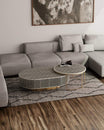
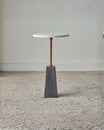
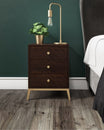
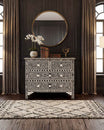
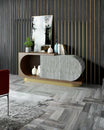
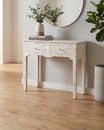
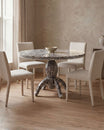

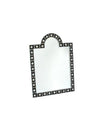

تجوّل في أي منزل مصمم جيدًا في الرياض أو جدة، وستجد الخشب يقوم بالعمل الهادئ المتمثل في ربط الغرفة معًا. يتغير الأثاث، وتتغير الأعمال الفنية، ولكن المنضدة الجانبية الخشبية تميل إلى البقاء، لأن الخشب يشيخ بطريقة تتناسب مع القليل من المواد. وهذا العمر الطويل هو بالضبط السبب الذي يجعله يستحق اهتمامًا أكثر مما يحصل عليه عادةً.
الأرقام تدعم الغريزة. فقد بلغ سوق الأثاث المنزلي في المملكة العربية السعودية 5.46 مليار دولار أمريكي في عام 2025 ومن المتوقع أن ينمو إلى 5.76 مليار دولار أمريكي في عام 2026، مع تصدر أثاث غرف المعيشة والطعام بنسبة 29.01% من السوق بفضل التركيز الثقافي على مساحات الضيافة.
في بلد يحمل فيه المجلس وغرفة المعيشة العائلية وزنًا اجتماعيًا حقيقيًا، فإن المنضدة الجانبية بجانب المقاعد تفعل أكثر من مجرد حمل فنجان. يغطي هذا الدليل كيفية اختيار وتصميم طاولة جانبية خشبية عبر ثلاثة أنماط داخلية مميزة، ثم كيفية الحفاظ على مظهرها الجيد.
لماذا لا يزال الخشب يتصدر التصميمات الداخلية السعودية
قبل التصميم، يجدر فهم لماذا يظل الخشب هو الخيار الافتراضي للأثاث المميّز، لأن الأسباب تشكل كيفية استخدامه. يقدم الخشب مزيجًا من الدفء والمتانة والقدرة على التكيف التي يصعب على المواد الاصطناعية تكرارها.
ثلاث خصائص تفسر استمراريته:
- يبدو الخشب دافئًا على الرخام الفاتح والأرضيات الحجرية الشائعة في المنازل السعودية، مما يوازن الغرف التي قد تبدو باردة لولا ذلك
- يتحمل الخشب الصلب المناخ الداخلي الجاف لمنازل الخليج المكيفة بشكل أفضل من العديد من القشور، شريطة أن يكون محكم الإغلاق بشكل صحيح
- تعمل المنضدة الجانبية الخشبية الواحدة عبر الأنماط التقليدية والمعاصرة والانتقالية، مما يحمي الاستثمار مع تغير الأذواق
هذه الصفات تجعل الخشب هو المركز الآمن للغرفة، وتُبنى خيارات التصميم أدناه على هذا الأساس.
تنسيق طاولة جانبية خشبية في التصميمات الداخلية الدافئة
تعتمد التصميمات الداخلية الدافئة على الملمس الطبيعي والألوان الترابية والمواد المتراكمة، وتقع الطاولة الجانبية الخشبية في قلب هذه اللغة. الهدف هو أن يشارك حبيبات ولون الخشب في لوحة الألوان بدلاً من أن يختفيا فيها.
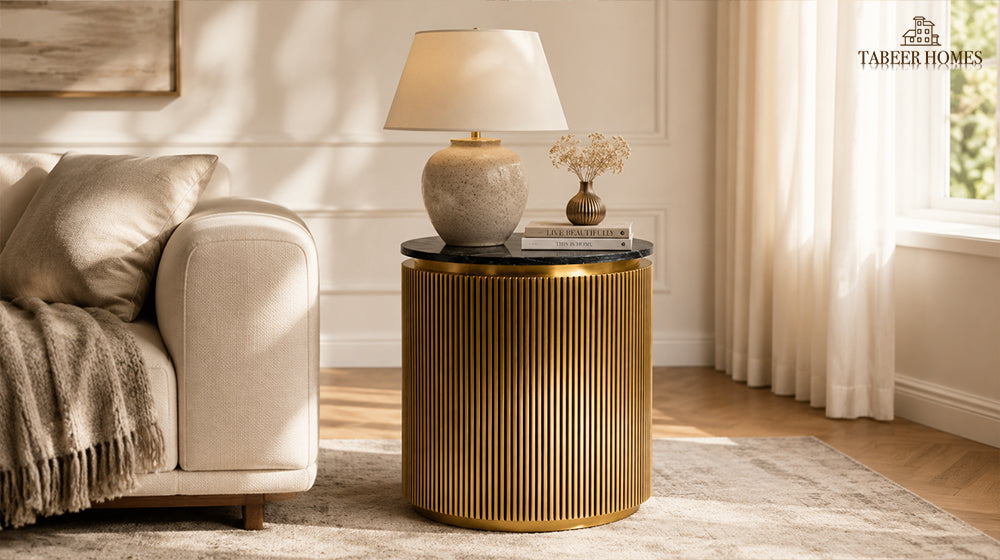
في التصميم الدافئ، اختر خشبًا متوسطًا إلى داكن مثل الجوز أو خشب الساج، حيث تكون حبيباته واضحة ولونه عميق. ضعها مع أقمشة منسوجة، وسجاد منسوج، وأشياء خزفية أو نحاسية. كومة قصيرة من الكتب، وإناء فخاري، ومصباح منخفض على السطح ستعكس الجودة الملموسة للغرفة.
تجنب التشطيبات عالية اللمعان هنا؛ سطح غير لامع أو زيتي قليل يحافظ على التركيز على الخشب نفسه ويناسب الشعور المريح والراسخ الذي تهدف إليه هذه الغرف. يتناغم دفء الخشب أيضًا بشكل طبيعي مع المقاعد المتراكمة في المجلس التقليدي، حيث تبدو طاولة خشبية منخفضة في متناول الوسائد الأرضية وكأنها في مكانها الصحيح.
طاولات جانبية خشبية في التصميمات الداخلية البسيطة
تطلب التصميمات الداخلية البسيطة من الأثاث أن يفعل المزيد بقليل، لذا يجب أن تكون الطاولة الجانبية الخشبية في هذا الإعداد دقيقة في شكلها ومحدودة التفاصيل. تصبح القطعة تمرينًا في التناسب بدلاً من الزينة.
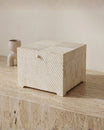
اختر هندسة نظيفة: أسطوانة بسيطة، أو كتلة مربعة، أو إطار رفيع الأرجل بسطح رفيع. الأخشاب الفاتحة مثل البلوط أو الرماد تحافظ على هدوء الطاولة بصريًا وتجعلها تتراجع في غرفة بسيطة. حيث تقوم التصميمات الداخلية الدافئة بتراكم الأشياء، تفضل التصميمات البسيطة عنصرًا واحدًا متعمدًا على السطح، ربما قطعة فنية نحتية واحدة أو لا شيء على الإطلاق. الانضباط يكمن فيما تتركه.
يمكن أيضًا لطاولة جانبية حديثة من الخشب الفاتح أن تتناسب مع طاولة جانبية رخامية أو طاولة جانبية بيضاء في مكان آخر في الغرفة دون تنافس المواد، حيث يربطها التقييد المشترك.
الطاولات الجانبية الخشبية في التصميمات الداخلية الفاخرة
تعامل التصميمات الداخلية الفاخرة الطاولة الجانبية كفرصة للحرفية، لذا يصبح الخشب هنا أساسًا للتفاصيل بدلاً من القصة بأكملها. الهدف هو الثراء دون الثقل.
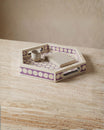
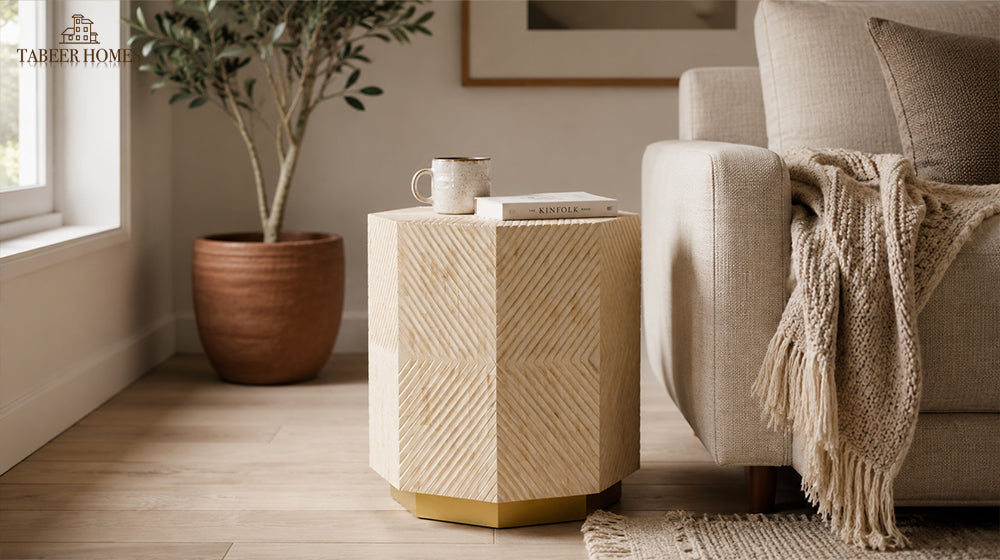
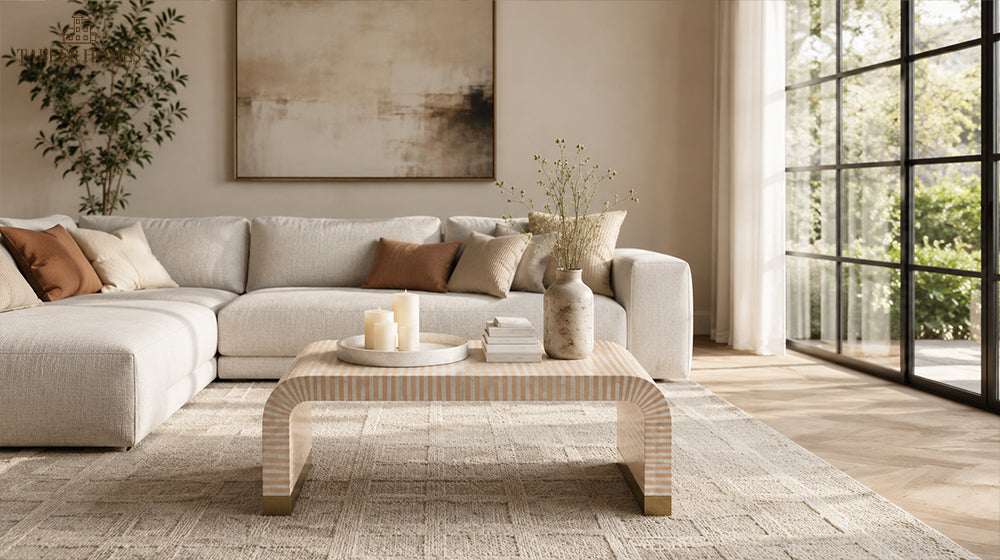
وهنا يأتي دور الترصيع. تحمل طاولة جانبية خشبية بلمسة نهائية من ترصيع العظم أو عرق اللؤلؤ دفء الخشب وفن العمل اليدوي في قطعة واحدة، ولهذا السبب تثبت هذه الأسطح الديكورات الداخلية السعودية الراقية بفعالية. توضع على خلفية تنجيد عميق، وحجر مصقول، وإضاءة مدروسة، تبدو الطاولة المزخرفة وكأنها القطعة المركزية الهادئة في الغرفة.
تُنتج تعبير هومز قطعًا يدوية من ترصيع العظم وعرق اللؤلؤ لهذا القطاع بالتحديد، مصنوعة بواسطة حرفيين بدلاً من ضغطها من قالب. في مخطط فاخر، لا يزال التقييد مهمًا: قطعة ترصيع واحدة لكل غرفة عادة ما تكون كافية، مع خشب عادي أو طاولة جانبية سوداء لموازنتها في مكان آخر حتى تتمكن العين من الاستراحة.
مطابقة لون الخشب، والتشطيب، والحبيبات
يحدد النوع الذي تختاره النغمة، والحبيبات، وكيفية تحمل الطاولة، لذا يستحق هذا القرار اهتمامًا بقدر التصميم. يوضح الجدول أدناه الأخشاب الشائعة للتصميمات الداخلية التي تناسبها.
|
الخشب |
اللون |
طبيعة الحبيبات |
أفضل تصميم داخلي |
ملاحظة المتانة |
|
الجوز |
بني داكن |
غني، متدفق |
دافئ، فاخر |
صلب ومستقر؛ يشيخ بأناقة |
|
البلوط |
فاتح إلى متوسط |
مفتوح، بارز |
بسيط، دافئ |
صلب جدًا؛ يقاوم التآكل اليومي |
|
الساج |
بني ذهبي |
متماسك، متجانس |
دافئ، فاخر |
زيتي طبيعيًا؛ يتحمل الرطوبة جيدًا |
|
الرماد |
شاحب |
مستقيم، دقيق |
بسيط |
صلب لكن يحتاج إلى عزل ضد الرطوبة |
|
السيسم |
متوسط إلى داكن |
متنوع، ذو طابع خاص |
دافئ، تقليدي |
كثيف ومتين؛ شائع في القطع المصنوعة يدويًا |
تنطبق بعض مبادئ التشطيب على جميعها:
- يعرض التشطيب غير اللامع أو الزيتي الحبيبات ويناسب الغرف الدافئة والبسيطة
- يضيف التشطيب الساتان لمعانًا خفيفًا للتصميمات الانتقالية والفاخرة
- تجنب وضع أي طاولة جانبية خشبية في ضوء الشمس المباشر عبر نافذة، حيث أن التعرض الطويل يتسبب في بهتان الخشب وتجفيفه بمرور الوقت
أين تضع الطاولة الجانبية الخشبية
يحدد وضع الطاولة الجانبية الخشبية مدى عملها، لذا يستحق الأمر مطابقة القطعة مع المكان بدلاً من وضعها حيثما توجد فجوة. يتطلب كل إعداد طاولة مختلفة قليلاً.
في غرفة المعيشة، تحمل طاولة جانبية خشبية بجانب المقاعد الرئيسية المصباح والأغراض اليومية التي لا يمكن لطاولة مركزية الوصول إليها. في غرفة النوم، تعمل كطاولة بجانب السرير، حيث يضيف الدرج تخزينًا سريًا للأشياء التي لا تفضل عرضها. في المدخل، تجمع وحدة تحكم خشبية رفيعة المفاتيح والبريد دون إعاقة الطريق. وفي زاوية القراءة، تكمل طاولة صغيرة بجانب كرسي بذراعين المكان، مما يمنحك مكانًا لكتاب وفنجان في متناول اليد. القاسم المشترك هو الوصول: يجب أن تجلس الطاولة حيث تسقط يدك بشكل طبيعي عندما تكون جالسًا.
العناية بالطاولة الجانبية الخشبية في المناخ السعودي
تعد الطاولة الجانبية الخشبية قطعة تدوم طويلاً فقط إذا حافظت عليها، وتجعل مناخ الخليج هذه الصيانة محددة. تسحب التصميمات الداخلية الجافة والمكيفة الرطوبة من الخشب بمرور الوقت، وهذا هو الشيء الرئيسي الذي يجب إدارته.
روتين العناية البسيط يحافظ عليها مستقرة:
- امسح الغبار بقطعة قماش ناعمة وجافة وامسح الانسكابات فورًا حتى لا تبقى السوائل على السطح
- أعد تزييت الطاولة ذات التشطيب الزيتي مرة أو مرتين في السنة لاستبدال الرطوبة التي يزيلها الهواء الجاف
- استخدم الوقايات ولبادات اللباد تحت الأشياء لمنع الحلقات والخدوش
- أبعد الطاولة عن فتحات التكييف وأشعة الشمس المباشرة، فكلاهما يجفف ويُبهت الخشب بشكل أسرع
إذا تم القيام بذلك باستمرار، فإن هذا يحافظ على الطاولة الخشبية الصلبة تبدو وكأنها جديدة لسنوات بدلاً من تركها تجف وتتشقق.
يعتمد اختيار طاولة جانبية خشبية جيدة على قراءة الغرفة أولاً: فالتصميمات الداخلية الدافئة تريد حبيبات مرئية وأشياء متراكمة، والتصميمات الداخلية البسيطة تريد شكلًا نظيفًا وسطحًا فارغًا، والتصميمات الداخلية الفاخرة تريد حرفية ونقطة تركيز واحدة. قم بمطابقة لون الخشب مع هذه النية، واحترم قواعد التشطيب، وحافظ عليها في المناخ، وستحتفظ الطاولة بمكانها لسنوات. لمطابقتها مع قطع أخرى، يغطي دليل أفكار الطاولات الجانبية لدينا مزج المواد، ويساعد دليل أطقم طاولات القهوة على موازنة الطاولة الجانبية مقابل الطاولة المركزية.
الأسئلة المتكررة
أي أنواع الخشب هو الأفضل للطاولة الجانبية في التصميمات الداخلية السعودية؟
الجوز والساج والبلوط من أفضل الخيارات للطاولة الجانبية الخشبية في المنازل السعودية. يتحمل خشب الساج التقلبات الجافة والرطبة بشكل جيد بشكل خاص بسبب زيوته الطبيعية، والجوز يناسب التصميمات الدافئة والفاخرة، ويوفر البلوط المتانة للغرف البسيطة.
كيف يمكنني تنسيق طاولة جانبية خشبية في غرفة بسيطة؟
نسق طاولة جانبية خشبية في غرفة بسيطة بهندسة نظيفة وعنصر واحد متعمد على السطح، أو اترك السطح فارغًا. اختر خشبًا فاتحًا مثل البلوط أو الرماد وشكلًا بسيطًا مثل أسطوانة أو كتلة مربعة بحيث تبقى القطعة هادئة بصريًا.
هل يمكن أن تتناسب طاولة جانبية خشبية مع أثاث رخامي أو أبيض؟
تتناسب طاولة جانبية خشبية جيدًا مع طاولة جانبية رخامية أو أثاث أبيض طالما أن الأشكال تشترك في شعور بالتقييد. التباين بين الخشب الدافئ والحجر البارد أو الأسطح الفاتحة هو مظهر شائع ومتوازن في التصميمات الداخلية السعودية المعاصرة.
ما هو التشطيب الذي يجب أن أختاره لطاولة جانبية خشبية؟
اختر تشطيبًا غير لامع أو زيتيًا للتصميمات الداخلية الدافئة والبسيطة، حيث تكون حبيبات الخشب المرئية مهمة، وتشطيبًا ساتانًا للتصميمات الفاخرة أو الانتقالية التي تريد لمعانًا خفيفًا. تجنب اللمعان العالي على الخشب الطبيعي، لأنه يتعارض مع طبيعة المادة.
هل الطاولات الجانبية الخشبية المزخرفة بالعظم مناسبة للاستخدام اليومي؟
الطاولات الجانبية الخشبية المزخرفة بالعظم مناسبة للاستخدام اليومي مع العناية اللطيفة، حيث يتم تثبيت الزخرفة بإحكام في السطح. امسحها بقطعة قماش ناعمة وجافة، وتجنب المنظفات القاسية، وحافظ عليها جافة لحماية كل من الخشب والزخرفة بمرور الوقت.
كيف أحمي طاولة جانبية خشبية من مناخ الخليج؟
احمِ طاولة جانبية خشبية بإبقائها بعيدًا عن أشعة الشمس المباشرة، والحفاظ على سطح محكم الغلق أو زيتي، ومسح الانسكابات على الفور. التصميمات الداخلية المكيفة جافة، لذا فإن إعادة التزييت الخفيفة الدورية تساعد الخشب الصلب على البقاء مستقرًا وتمنع السطح من الجفاف.

اترك تعليقًا
This site is protected by hCaptcha and the hCaptcha Privacy Policy and Terms of Service apply.