


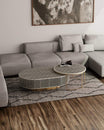


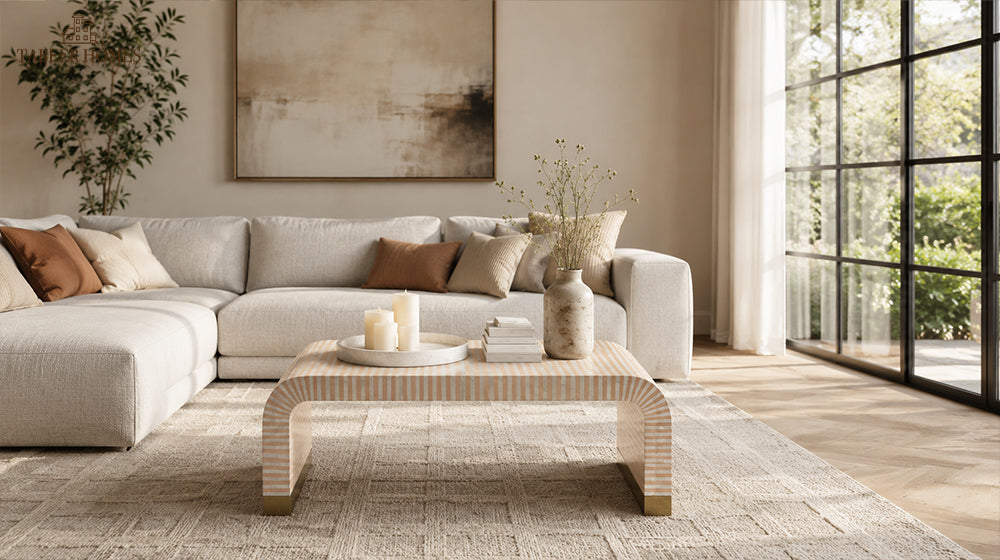
لقد اخترت الأريكة، وفرشت السجادة، والشيء الوحيد المتبقي هو القطعة التي تتوسط الغرفة. عادةً ما يقتصر الخيار على مسارين: مجموعة من طاولات القهوة المتداخلة التي تتجمع معًا، أو طاولة قهوة كبيرة واحدة تسيطر على مركز الغرفة. كلاهما يؤدي الغرض، ولكنهما يحلان مشكلات مختلفة، واختيار الخاطئ لمساحتك هو خطأ ستعيش معه يوميًا.
أصبح هذا القرار أكثر شيوعًا في الكويت، حيث تتغير أنماط الإسكان. وصلت واردات الأثاث في الكويت إلى ما يقرب من 175.7 مليون دينار في عام 2025، بزيادة متواضعة تبلغ حوالي 1% عن عام 2024، حيث يقوم تجار التجزئة المحليون بشكل متزايد بتصميم المنتجات لتناسب التصميمات الموفرة للمساحة والمتعددة الوظائف التي تتناسب مع الشقق الحديثة والتطورات السكنية الجديدة. هذا التحول نحو الحياة المرنة هو السياق الذي تكتسب فيه خيارات الطاولات المتداخلة والطاولات الفردية أهمية قصوى. يقسم هذا الدليل القرار حتى تتمكن من مطابقة مجموعة طاولات القهوة المناسبة لغرفتك.
كيفية صياغة القرار
قبل مقارنة الشكلين مباشرة، من المفيد تحديد ما تتطلبه غرفة المعيشة الخاصة بك بالفعل، لأن الإجابة الصحيحة تعتمد كليًا على مساحتك وكيفية استخدامك لها. هناك أربعة عوامل تحمل معظم الوزن.
مرر على هذه العوامل قبل الاختيار:
- حجم الغرفة ومساحة المشي حول المقاعد
- عدد مرات استضافتك، وعدد الأشخاص الذين يجلسون عادة
- ما إذا كانت الطاولة تحتاج إلى المرونة للاستخدامات المختلفة، مثل تناول الطعام أو العمل
- الوزن البصري الذي تريده في مركز الغرفة
مع أخذ هذه الإجابات في الاعتبار، تصبح نقاط القوة لكل شكل أوضح بكثير.
طاولات القهوة المتداخلة: نقاط القوة والعيوب
طاولات القهوة المتداخلة هي مجموعة من طاولتين أو ثلاث طاولات متدرجة الحجم تنزلق تحت بعضها البعض، وجاذبيتها تكمن في مرونتها. إنها تناسب الغرف التي تتغير وظائفها أو المضيفين الذين يحتاجون إلى أسطح عند الطلب.
حيث تكتسب الطاولات المتداخلة مكانتها:
- تتوسع عندما يكون لديك ضيوف وتنكمش لتصبح قطعة واحدة بعد ذلك
- توزع الأسطح حول المقاعد، بحيث يمكن لعدة أشخاص الوصول إليها
- تناسب الشقق الكويتية المدمجة حيث قد تزحم طاولة كبيرة ثابتة الأرضية
- سهلة التحريك للتنظيف أو لإعادة ترتيب الغرفة
العيوب تستحق الموازنة أيضًا. تقدم مجموعة الطاولات المتداخلة مساحة سطح متصلة أقل من طاولة واسعة واحدة، لذلك لا يتوفر مساحة كافية لصينية طعام كبيرة أو مجموعة من الكتب. يمكن أن تبدو الطاولات الأصغر حجمًا بسيطة في مجلس أو غرفة معيشة ذات مخطط مفتوح بحجم كبير، حيث قد تبدو صغيرة جدًا مقارنة بأريكة طويلة.
طاولة قهوة كبيرة واحدة: نقاط القوة والعيوب
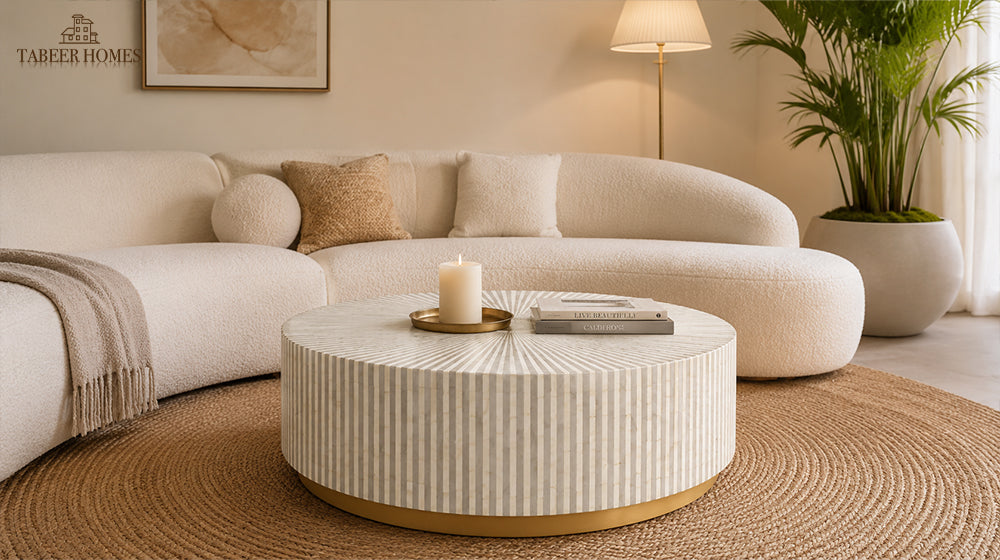
طاولة قهوة كبيرة واحدة تثبت الغرفة بسطح واحد مستمر، وقوتها تكمن في حضورها وسعتها. إنها تناسب غرف المعيشة الكبيرة والمنازل التي تستقبل الضيوف حول نقطة مركزية واحدة.
حيث تعمل الطاولة الواحدة بشكل أفضل:
- توفر سطحًا واسعًا ومتواصلًا للصواني والكتب والتقديم
- تعمل كمركز بصري يثبت ترتيب المقاعد الكبيرة
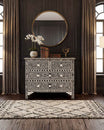
- مادة مميزة مثل الرخام أو الخشب المنحوت تحولها إلى قطعة محورية في الغرفة
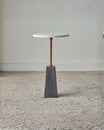
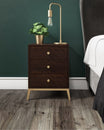
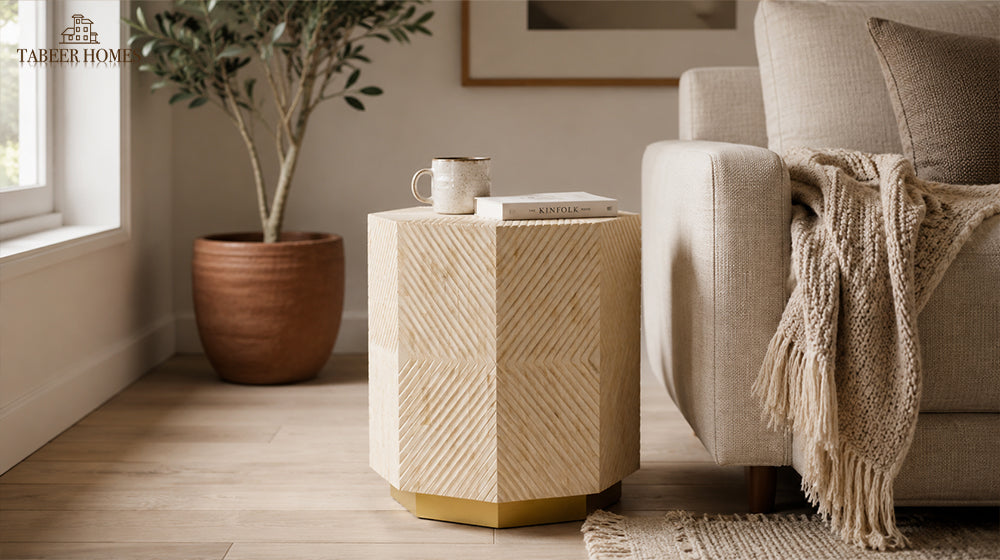
- تتطابق بشكل طبيعي مع الطاولات الجانبية الموضوعة على أطراف المقاعد لسهولة الوصول الفردي
القيود هي صورة معكوسة لمجموعة الطاولات المتداخلة. تستهلك الطاولة الثابتة الكبيرة مساحة أرضية سواء كنت بحاجة إليها أم لا، وفي شقة أصغر يمكن أن تفرض ضيقًا بين الأريكة وحافة الطاولة. كما أنها لا توفر أي مرونة؛ ما تضعه هو ما لديك، ولا توجد طريقة للتوسع أو التخزين.
الطاولات المتداخلة مقابل الطاولة الكبيرة الواحدة: نظرة عامة
لتسهيل مقارنة المفاضلات، يقارن الجدول أدناه الشكلين جنبًا إلى جنب عبر العوامل التي تحدد عادةً الاختيار. استخدمه كقائمة مختصرة بدلاً من حكم نهائي، حيث أن لغرفتك الكلمة الأخيرة.
|
العامل |
طاولات قهوة متداخلة |
طاولة قهوة كبيرة واحدة |
|
أفضل حجم للغرفة |
مضغوطة إلى متوسطة |
متوسطة إلى كبيرة |
|
المرونة |
عالية؛ تتوسع وتنكمش |
منخفضة؛ ثابتة |
|
استمرارية السطح |
مقسمة إلى أقسام |
سطح واحد مستمر |
|
الوزن البصري |
خفيف، قابل للتكيف |
قوي، يثبت الغرفة |
|
الاستضافة |
توزع الأسطح على العديد من المقاعد |
تتمركز حول نقطة واحدة |
|
مناسبة الشقق الصغيرة |
قوية |
يمكن أن تزحم الأرضية |
قواعد الارتفاع والتناسب والمسافات
بمجرد أن يكون لديك شكل في ذهنك، تحدد بعض القياسات ما إذا كانت الطاولة تعمل بالفعل في الغرفة، لأن القطعة الصحيحة بتناسب خاطئ لا تزال تفشل. تنطبق هذه القواعد على كل من الطاولات المتداخلة والفردية.
تغطي ثلاثة أرقام معظم الحالات:
- الارتفاع: يجب أن يكون سطح الطاولة مستويًا تقريبًا مع وسادة مقعد الأريكة، وعادة ما يكون 40 إلى 45 سم، بحيث يكون الوصول إلى المشروب مريحًا
- المسافة من الأريكة: اترك 30 إلى 45 سم بين حافة الطاولة والمقعد، قريبة بما يكفي للوصول ولكن مفتوحة بما يكفي للمشي
- الطول بالنسبة للأريكة: يجب أن تمتد طاولة القهوة الواحدة حوالي ثلثي طول الأريكة للحصول على مظهر متوازن
إذا قمت بتطبيق هذه القواعد بشكل صحيح، فإن طاولة متواضعة ستبدو مناسبة في الغرفة. أما إذا أخطأت، فستبدو قطعة جميلة جدًا مرتفعة جدًا، أو بعيدة جدًا، أو صغيرة جدًا بالنسبة للمقاعد التي تخدمها.
مطابقة الاختيار لتصميم غرفة المعيشة الخاصة بك
يعتمد الشكل الفائز بشكل كبير على كيفية ترتيب مقاعدك، لذا فمن المفيد أن تنظر إلى تصميمك الفعلي بدلاً من قاعدة عامة. ثلاث ترتيبات شائعة تشير بوضوح إلى أحد الاتجاهين.
أريكة واحدة مقابل جدار
تستفيد الشقة المدمجة التي تحتوي على أريكة واحدة من طاولات القهوة المتداخلة، والتي تمنحك إمكانية الوصول دون السيطرة على المساحة المحدودة. اسحب الطاولة الأصغر فقط عند الحاجة.
مقاعد على شكل حرف L أو مقطعية
تلتف المقاعد المقطعية حول نقطة مركزية، وهي المكان الطبيعي لطاولة قهوة كبيرة واحدة. يبقى السطح الواسع في متناول كل مقعد ويوازن الكتلة البصرية للمقعد المقطعي.
مجلس أو غرفة معيشة كبيرة ذات مخطط مفتوح
يمكن للغرفة الكبيرة أن تستوعب طاولة مميزة واحدة، وتعمل طاولة القهوة الدائرية على تلطيف المساحة المفتوحة مع الحفاظ على سهولة الحركة من جميع الجوانب. إذا كانت الغرفة تستضيف تجمعات كبيرة، فإن طاولة كبيرة بالإضافة إلى طاولات جانبية غالبًا ما تخدم بشكل أفضل من القطع المتداخلة التي تبدو صغيرة جدًا.
اعتبارات المواد والشكل
بمجرد تحديد الشكل، تحدد المادة والشكل كيف تبدو القطعة وكيف تعيش في منزل كويتي، وهذا هو المكان الذي تتشكل فيه شخصية الغرفة. يجب أن يتبع الاختيار أسلوبك وقدرتك على الصيانة.
تبدو طاولة القهوة الرخامية أنيقة ومتماسكة وتعمل كقطعة مركزية قوية، على الرغم من أنها تستفيد من الإغلاق والمسح السريع للانسكابات. تحافظ طاولة القهوة البيضاء على شعور الغرفة المشرقة بالانفتاح والتهوية، بينما تناسب طاولة القهوة الحديثة ذات الإطار المعدني أو الخشبي النحيف التصميمات الداخلية البسيطة. يهم الشكل للحركة: تزيل طاولة القهوة الدائرية الزوايا الحادة وتناسب المنازل التي بها أطفال أو الممرات الضيقة، بينما تزيد الطاولة المستطيلة من المساحة القابلة للاستخدام على طول أريكة مستقيمة.
تنتج تعبير هومز طاولات قهوة ذات أسطح رخامية ومصنوعة يدويًا في جميع أنحاء دول مجلس التعاون الخليجي للمشترين الذين يفكرون في قطعة واحدة مميزة، وهي نقطة مرجعية مفيدة عند مقارنة خيارات تصميم طاولات القهوة.
أخطاء شائعة عند اختيار مجموعة طاولة قهوة
تتسبب مجموعة من الأخطاء المتكررة في وقوع الناس في مشكلة في مرحلة الشراء، لذا يجدر ذكرها قبل الالتزام. كل خطأ سهل تجنبه بمجرد أن تعرف كيف تبحث عنه.
- شراء طاولة كبيرة واحدة لغرفة لا تستطيع توفير مساحة للمشي حولها، مما يترك ضيقًا خانقًا حول الحواف
- اختيار طاولات متداخلة لغرفة كبيرة مفتوحة، حيث تبدو صغيرة الحجم مقارنة بالمقاعد الطويلة
- تجاهل الارتفاع، بحيث تكون الطاولة عالية جدًا أو منخفضة جدًا بالنسبة لوسادة الأريكة
- مطابقة طاولة القهوة والطاولات الجانبية بدقة شديدة، مما يوحي بأنها مجموعة عرض في معرض بدلاً من غرفة مدروسة
تجنب هذه الأخطاء وستستقر الطاولة في الغرفة بدلاً من أن تتعارض معها.
يعتمد الاختيار بين مجموعات طاولات القهوة على إجابات صادقة حول غرفتك: اختر الطاولات المتداخلة عندما تكون المرونة ومساحة الأرضية هي الأهم، وطاولة كبيرة واحدة عندما تكون السطح والحضور والنقطة المركزية هي الأهم.
قم بقياس مساحة المشي الخاصة بك، وتحقق من الارتفاع بالنسبة لأريكتك، وخذ في الاعتبار كيفية استضافتك، ودع التصميم يقرر بدلاً من الصورة التي لفتت انتباهك. بالنسبة للقطع التي تحيط بمركز الغرفة، يغطي دليلنا لأفكار الطاولات الجانبية كيفية التنسيق، وتساعد ملاحظات تزيين الطاولات الجانبية الخشبية إذا كنت تميل نحو التشطيبات الخشبية الدافئة.
الأسئلة المتكررة
هل طاولات القهوة المتداخلة أفضل من طاولة قهوة واحدة كبيرة؟
ليس أحدهما أفضل من الآخر بشكل عام؛ فطاولات القهوة المتداخلة تناسب المساحات المدمجة والمرنة، بينما تناسب طاولة القهوة الكبيرة الواحدة الغرف الأكبر التي تحتاج إلى نقطة مركزية. اختر الطاولات المتداخلة من أجل التكيف وتوفير المساحة، واختار الطاولة الواحدة للسطح المستمر والحضور.
ما هو حجم طاولة القهوة المناسب لشقة كويتية صغيرة؟
مجموعة متداخلة أو طاولة واحدة بطول 90 إلى 100 سم تناسب معظم الشقق المدمجة، وتترك مساحة لا تقل عن 40 سم للمشي بين الطاولة والأريكة. غالبًا ما تكون الطاولات المتداخلة هي الخيار الأكثر أمانًا لأنها تنكمش إلى مساحة أصغر عند عدم الاستخدام.
هل طاولة القهوة الرخامية عملية لغرفة المعيشة؟
تعد طاولة القهوة الرخامية عملية عند إغلاقها ومسحها على الفور، حيث يمكن أن تتلطخ الرخام من الانسكابات الحمضية مثل القهوة أو العصير. إنها توفر قطعة مركزية أنيقة ومتماسكة تدوم جيدًا مع الصيانة الأساسية وتناسب التصميمات الداخلية الكويتية الحديثة والكلاسيكية.
ما هو الارتفاع المناسب لطاولة القهوة؟
يجب أن تكون طاولة القهوة مستوية تقريبًا مع وسادة مقعد الأريكة، وعادة ما تكون بارتفاع 40 إلى 45 سم، بحيث يكون الوصول إلى المشروب أو الكتاب مريحًا. الطاولة التي تكون أعلى أو أقل بكثير من الوسادة تبدو غير مريحة للاستخدام من وضع الجلوس.
ما هو أفضل شكل لطاولة القهوة لغرفة معيشة عائلية؟
غالبًا ما تكون طاولة القهوة الدائرية هي الأفضل لغرف المعيشة العائلية لأنه لا توجد بها زوايا حادة، مما يجعلها أكثر أمانًا حول الأطفال وأسهل في التحرك في الممرات الضيقة. توفر الطاولة المستطيلة مساحة أكبر قابلة للاستخدام إذا تم ترتيب مقاعدك على طول خط مستقيم.
هل ما زلت بحاجة إلى طاولات جانبية إذا كان لدي طاولة قهوة كبيرة؟
تظل الطاولات الجانبية مفيدة جنبًا إلى جنب مع طاولة قهوة كبيرة لأنها تمنح المقاعد الفردية سطحًا قريبًا للمشروب أو المصباح. غالبًا ما يعمل تنسيق طاولة مركزية واحدة مع طاولات جانبية عند أطراف المقاعد بشكل أفضل في الغرف الكبيرة من الاعتماد على طاولة القهوة وحدها.

اترك تعليقًا
This site is protected by hCaptcha and the hCaptcha Privacy Policy and Terms of Service apply.