



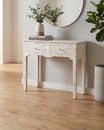
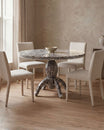

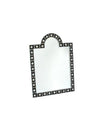

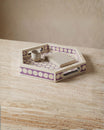
It is close to midnight, and you have twelve browser tabs open, each promising custom, handcrafted, luxury furniture somewhere across Dubai, Abu Dhabi, or Sharjah. Some sites clearly specialize in true hand-laid mother of pearl inlay furniture , while others look like general custom furniture manufacturers who happen to offer an inlay finish alongside sofas, office desks, and outdoor loungers. Telling the two apart matters more than it seems, since genuine inlay work involves a specific, labor-intensive craft that a general furniture workshop may only replicate with printed finishes or machine-cut imitations. This guide focuses less on any single storefront and more on the questions and checks that separate a genuine handcrafted inlay purchase from a disappointing one, wherever in the UAE you end up buying it.
What Counts as Genuine Inlay Furniture
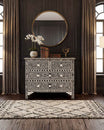
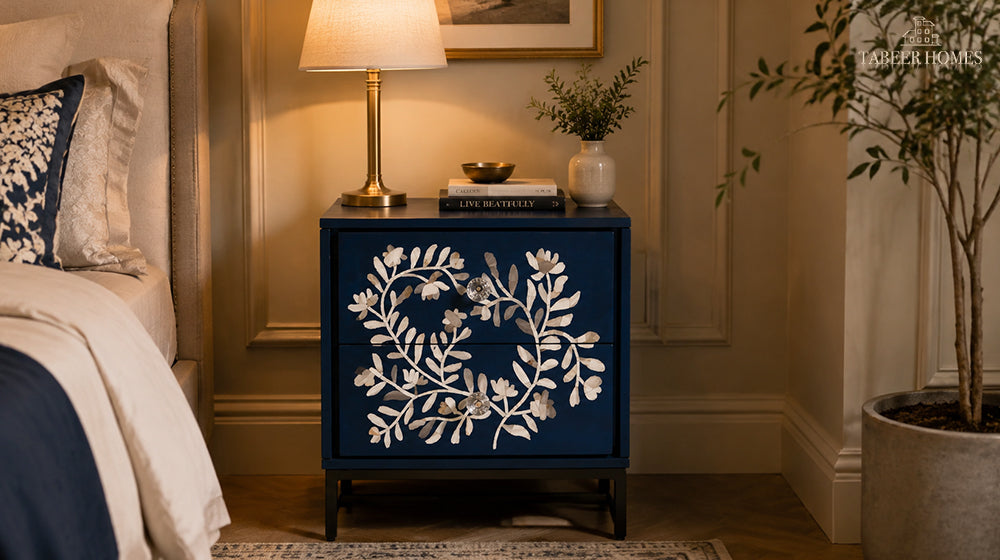
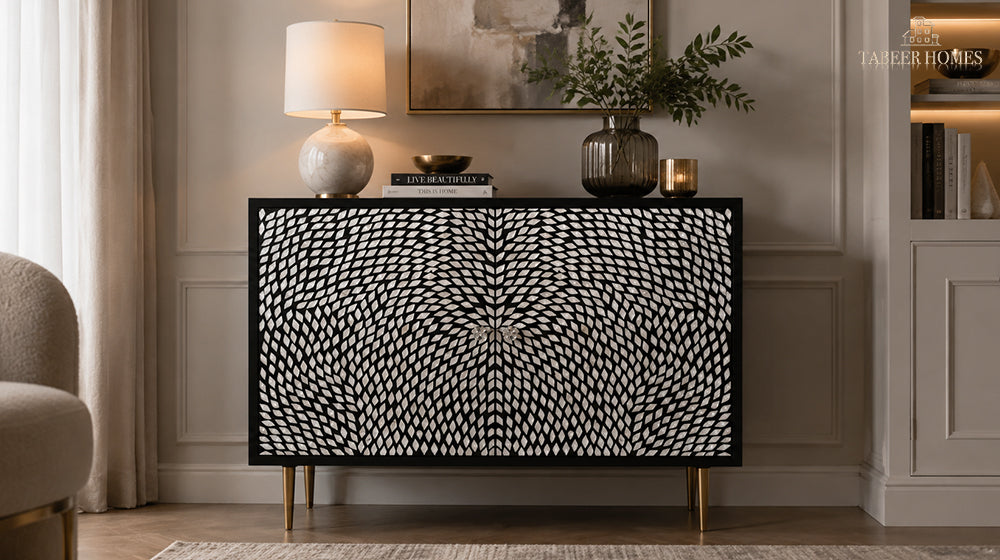
Genuine bone or mother of pearl inlay furniture is built by hand-carving individual pieces of bone or shell and setting them into a resin bed cut into a solid wood frame, a process that takes weeks rather than days regardless of which workshop produces it. This is different from printed or decal finishes designed to look like inlay from a distance but lacking the texture, weight, and natural irregularity of hand-set material. Our detailed guide on what bone inlay furniture actually is and how it's made covers the full carving and setting process if you want to understand the craft before evaluating specific pieces.
Showroom Vs Online: Where UAE Buyers Typically Shop for Inlay Pieces
Buyers in the UAE generally have two paths to genuine inlay furniture, and each comes with a different tradeoff. Showroom shopping, common across furniture districts in Dubai and Abu Dhabi, lets you touch the piece directly, feel the texture difference between bone and resin, and judge scale against your actual space before committing. Online retailers specializing in inlay furniture , by contrast, typically offer a far wider range of patterns, colors, and sizes than any single physical showroom could stock, along with the convenience of browsing full collections and reading detailed product specifications before making a decision. Many UAE buyers use a hybrid approach: browsing an online catalog to narrow down options, then requesting a sample swatch or scheduling a showroom visit before finalizing a larger purchase like a sideboard or dining table.
Ready-to-Ship Vs Pre-Order: What to Expect on Timing
Because genuine inlay work is handcrafted, timing expectations differ significantly from standard mass-produced furniture, and understanding the difference upfront avoids a frustrating wait for a piece you assumed would arrive within days. Ready-to-ship inlay pieces, already produced and held in stock, typically dispatch within one to three working days of order confirmation. Pre-order or made-to-order pieces, produced only once a specific order is placed, commonly take six to ten weeks from confirmation to delivery, with timing varying based on the piece's size, pattern complexity, and any customization requested. Confirming which category a specific piece falls into before ordering, rather than assuming based on the product photo alone, is one of the simplest ways to avoid a mismatched expectation on delivery timing.
In-Person Vetting: What to Look For at a UAE Showroom Visit
If you have the option to visit a showroom before buying, a short physical inspection tells you more in five minutes than an hour of scrolling product photos. Run your hand across the inlay surface and notice the texture: genuine bone or shell should feel distinct from the surrounding resin, with a slight but perceptible edge where each piece meets the next, rather than a perfectly smooth, uniform surface. Check the underside or an unfinished edge of the piece if possible, since this is often where lower-quality construction, particleboard instead of solid wood, or visible glue rather than a proper resin fill, becomes obvious. Ask to see the same pattern in more than one color or size if the workshop offers it, since a workshop that can readily show variations on request is more likely producing pieces in-house rather than reselling a limited, pre-made batch. Finally, pay attention to weight: a genuine solid wood and resin inlay piece should feel substantially heavier than its size might suggest, while an unexpectedly light piece can indicate a composite base or a thinner, lower-quality construction.
Payment and Financing Options Common Among UAE Furniture Retailers
Given the higher price point of handcrafted inlay furniture compared to mass-produced alternatives, many UAE retailers in this category offer structured payment options to make larger purchases more manageable. Interest-free installment plans, typically splitting a purchase into three or more payments, have become common across UAE furniture retailers generally, not just those specializing in inlay work, and are worth asking about directly if a larger statement piece like a dining table or majlis sideboard is outside your immediate budget in a single payment. Buy-now-pay-later services integrated directly into online checkout are similarly common across UAE e-commerce broadly, offering another route to spreading the cost of a larger purchase without necessarily financing through a bank. Confirming which payment structures a specific seller supports before finalizing a large order, rather than assuming standard installment availability, avoids a last-minute surprise at checkout.
Bone Inlay Vs Mother of Pearl: Which Suits Your Buying Priorities?
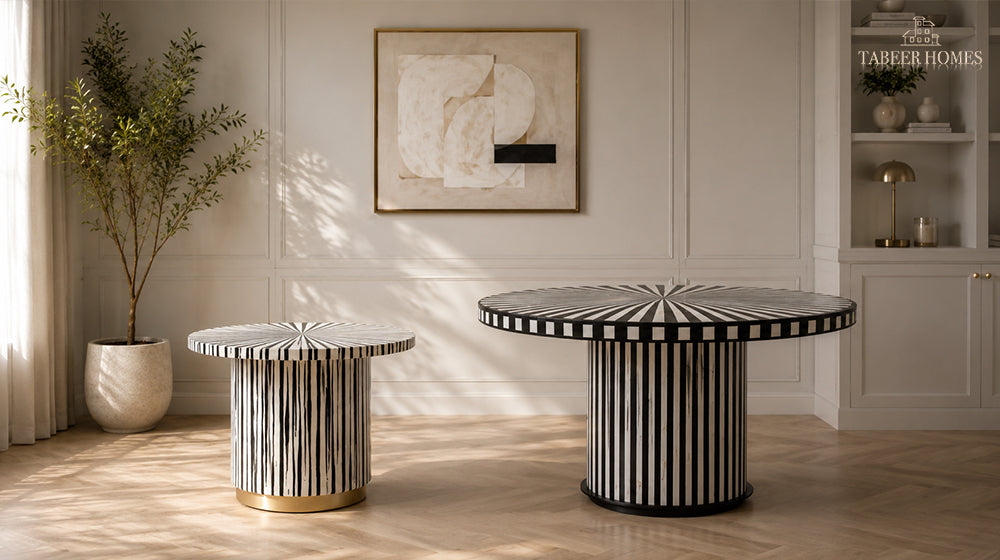
Beyond authenticity, buyers shopping in the UAE often need to decide between bone inlay and mother of pearl as a starting point, and the choice comes down to more than just which pattern looks better in a product photo. Bone inlay generally suits buyers prioritizing a bold, matte, high-contrast look that holds up visually against rich textiles and dark wood tones common in traditional Gulf interiors. Mother of pearl suits buyers wanting a softer, light-catching accent that works especially well in rooms with strong natural or evening lighting, since the material's shimmer depends on light interaction in a way bone inlay's matte finish does not. Both materials carry a comparable price tier for equivalent piece sizes and pattern density, so cost is rarely the deciding factor between the two on its own. For a full breakdown of how the two materials compare on finish, care, and typical furniture applications, see our dedicated guide on bone inlay versus mother of pearl furniture .
Questions to Ask Before You Buy Mother of Pearl Inlay Furniture
A handful of direct questions to any UAE inlay seller will tell you more about the piece's authenticity and value than the product photos alone ever could.
- Is the bone or shell hand-cut and hand-set, or applied as a printed or molded finish? A seller confident in genuine craftsmanship should answer this directly rather than deflecting the question.
- What is the base material underneath the inlay? Solid wood, typically mango wood, holds the carved channel work and resin bond far better over the long term than particleboard or MDF.
- Is the bone or shell ethically sourced? Reputable workshops describe bone as a byproduct of the meat industry rather than remaining vague about sourcing when asked directly.
- What is the estimated production or delivery timeline for this specific piece? As covered above, ready-to-ship and pre-order pieces carry very different timelines, and a vague answer here is worth pressing further.
- What customization options are available? Many UAE inlay workshops offer adjustments to dimensions, color palette, or pattern density, useful if you need a piece sized to a specific wall or matched to an existing color scheme.
- What is the return or exchange policy for large, handcrafted pieces? Given the weight and fragility of larger inlay furniture, understanding the policy before ordering matters more than it does for standard flat-pack furniture.
- Does the seller offer photos or samples of the exact pattern and colorway before shipping a custom order? Since inlay furniture is often produced to order, confirming you can review a sample or in-progress photo before final production reduces the risk of an unexpected mismatch between what you pictured and what arrives.
Red Flags That Signal Mass-Produced Imitation, Not Handcrafted Inlay
A few warning signs consistently separate genuine mother of pearl pieces and bone inlay furniture from lower-quality imitations marketed with similar language.
- Perfectly uniform patterns with zero visible irregularity. Genuine hand-cut bone or shell will show slight natural variation in shape, spacing, and tone. A pattern that looks mechanically identical across every repeat is a signal to ask more questions.
- Vague or evasive answers about sourcing. A legitimate workshop is generally forthcoming about where its bone or shell comes from, and hesitation here is worth taking seriously.
- Unusually short production timelines for a fully custom, large-scale piece. Since hand-carving and setting a full sideboard's worth of inlay genuinely takes weeks, a workshop promising a large custom piece within days is likely relying on a faster, lower-quality process.
- Pricing dramatically below comparable listings. Given how labor-intensive genuine inlay work is, a price far below what several weeks of skilled hand labor would reasonably cost usually indicates a shortcut somewhere in the production process.
- No customer reviews or documented past work specific to inlay furniture. A general furniture manufacturer offering an inlay option as one of many finishes may have little track record specifically with hand-carved inlay, whereas a workshop specializing in the craft should be able to point to a documented history of inlay-specific work.
Choosing Inlay Furniture for a Majlis
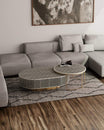
A traditional majlis, the formal seating and reception space common in Gulf homes, calls for a different scale of thinking than a typical Western-style living room. Luxury majlis furniture in bone inlay or mother of pearl tends toward larger, more statement-driven pieces, oversized coffee tables positioned at the center of low floor seating, wide sideboards or cabinets along the perimeter walls for serving and storage, and decorative accent pieces like trays, boxes, and lanterns that see frequent use during gatherings. Because a majlis is built around hosting, durability under regular guest traffic matters as much as visual impact, which makes checking the wood base quality and resin bond durability, not just the surface pattern, particularly important for majlis-specific purchases. Bold, dense bone inlay patterns tend to suit the more formal, richly layered aesthetic common in majlis interiors, while mother of pearl's shimmer works well for pieces positioned to catch evening lighting during gatherings. Coordinating pattern density across multiple majlis pieces also matters more here than in a typical living room, since a majlis often furnishes several inlay pieces within sight of one another at once, a coffee table, a serving sideboard, and decorative trays, so choosing complementary rather than competing patterns across the full set tends to read as considerably more cohesive than mixing several unrelated bold designs in the same space.
Price Expectations for Handcrafted Inlay Pieces in the UAE
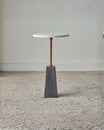
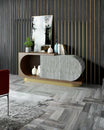
Handcrafted inlay furniture spans a wide price range depending on piece size, pattern density, and material, and understanding the general tiers helps set realistic expectations before browsing. Small decorative accents, trays, boxes, and coasters, generally sit at the most accessible end of the range, making them a reasonable entry point for buyers who want to experience the craft before committing to a larger purchase. Mid-size pieces like side tables, mirrors, and side drawers occupy a middle tier, while larger statement furniture, sideboards, buffet cabinets, consoles, and dining tables, command the highest prices given the sheer volume of hand-carved inlay material and labor time involved. Within any given size category, denser floral or checkerboard patterns typically cost more than simpler linear or geometric designs, since pattern complexity drives labor time more directly than the piece's overall dimensions.
Customs, Delivery, and Care After Purchase
For buyers ordering from outside the UAE, or relocating pieces between GCC countries, confirming customs handling and delivery logistics before purchase avoids delays once a handcrafted piece is ready. Reputable sellers typically manage customs clearance directly for international orders, though delivery timelines can extend beyond the standard production estimate depending on destination and clearance processing. Buyers relocating within the region, moving between Dubai and Abu Dhabi, for instance, generally face simpler logistics than cross-border international shipments, though large pieces like sideboards or dining tables still benefit from confirming white-glove delivery and placement services are included rather than assumed. Once a piece arrives, care matters as much as the purchase decision itself: bone and mother of pearl inlay furniture should be dusted with a soft, dry cloth, kept away from direct sunlight and high humidity, and cleaned of any spills immediately to protect the resin bond, the same care routine that applies to any handcrafted inlay piece regardless of where it was purchased.
Bringing It All Together
Finding genuine mother of pearl or bone inlay furniture in the UAE comes down to asking the right questions and recognizing the signs of real hand-carved craftsmanship rather than choosing based on price or photos alone. The checks covered in this guide, sourcing transparency, base material, production timeline, and physical texture, apply regardless of whether you ultimately shop through a showroom, an online catalog, or a hybrid of both. Tabeer Homes is one of several UAE-based workshops producing handcrafted bone and mother of pearl pieces using traditional Rajasthani inlay techniques, offering both ready-to-ship and made-to-order options across sideboards, consoles, mirrors, and majlis-scale furniture. Whichever seller you ultimately choose, applying the same authenticity checks, sourcing transparency, production timeline clarity, and a solid wood base, will do more to protect your purchase than brand reputation alone.
Frequently Asked Questions
How do I know if inlay furniture is genuinely handmade?
Look for slight natural irregularities in the pattern, ask directly about sourcing and production process, and check that the base is solid wood rather than particleboard, since genuine hand-carved inlay always shows small variations that a printed or molded imitation will not.
Is mother of pearl inlay furniture expensive in the UAE?
Pricing varies by piece size and pattern complexity, ranging from accessible small decorative accents to significantly higher prices for large statement furniture like sideboards or dining tables, driven mainly by the labor time required for hand-carving.
How long does it take to receive handcrafted inlay furniture in the UAE?
Ready-to-ship pieces typically dispatch within one to three working days, while pre-order or custom pieces commonly take six to ten weeks from order confirmation, depending on size and design complexity.
Can I customize the size or color of inlay furniture?
Many UAE inlay workshops offer customization on dimensions, color palette, and pattern density, though custom orders generally extend the production timeline beyond a standard ready-to-ship piece.
What furniture works best for a majlis in bone inlay or mother of pearl?
Larger statement pieces suit a majlis best, oversized coffee tables, wide sideboards or cabinets along the perimeter, and decorative accents like trays and boxes that see regular use during gatherings.
What should I check before buying inlay furniture online?
Confirm the base material, ask about bone or shell sourcing, clarify the production and delivery timeline, and review the return policy for large pieces before finalizing an online purchase.

Leave a comment
This site is protected by hCaptcha and the hCaptcha Privacy Policy and Terms of Service apply.