


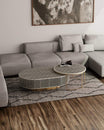
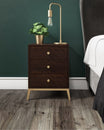
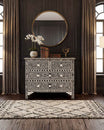
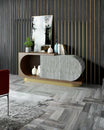
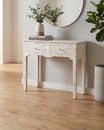
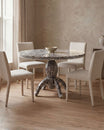

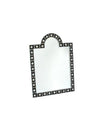

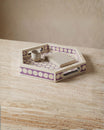
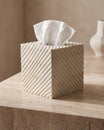
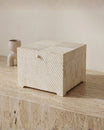
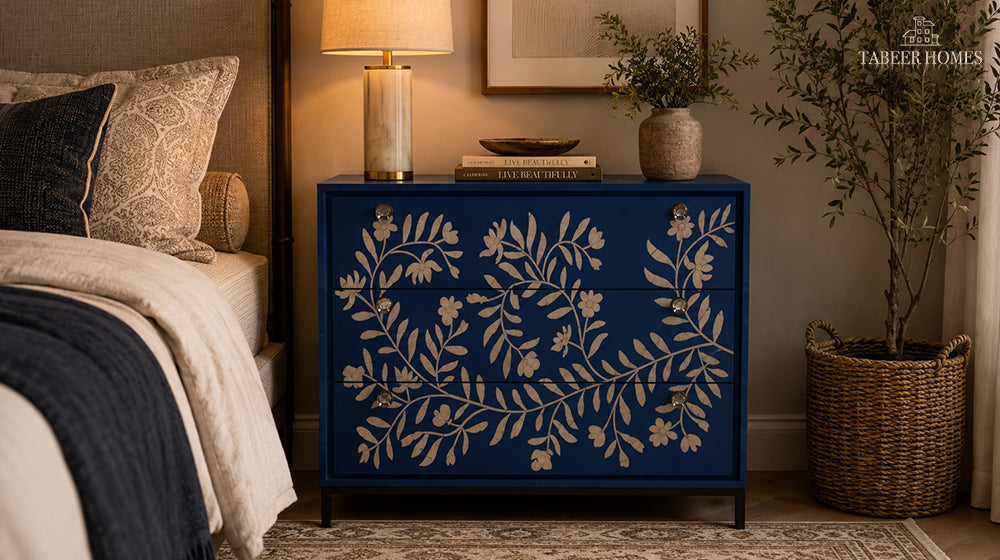
Dubai's furniture market moves fast, spans everything from Al Quoz warehouse showrooms to boutique design district galleries, and offers more choice in handcrafted mother of pearl furniture Dubai wide than almost anywhere else in the region. That range is a genuine advantage for buyers, but it also means the usual generic shopping advice, check reviews, compare prices, does not account for what actually matters in this specific city: the climate a piece will live in, the type of home it needs to suit, and where in Dubai's sprawling furniture landscape genuine handcrafted inlay work is actually concentrated.
Why Dubai Buyers Are Drawn to Mother of Pearl Furniture
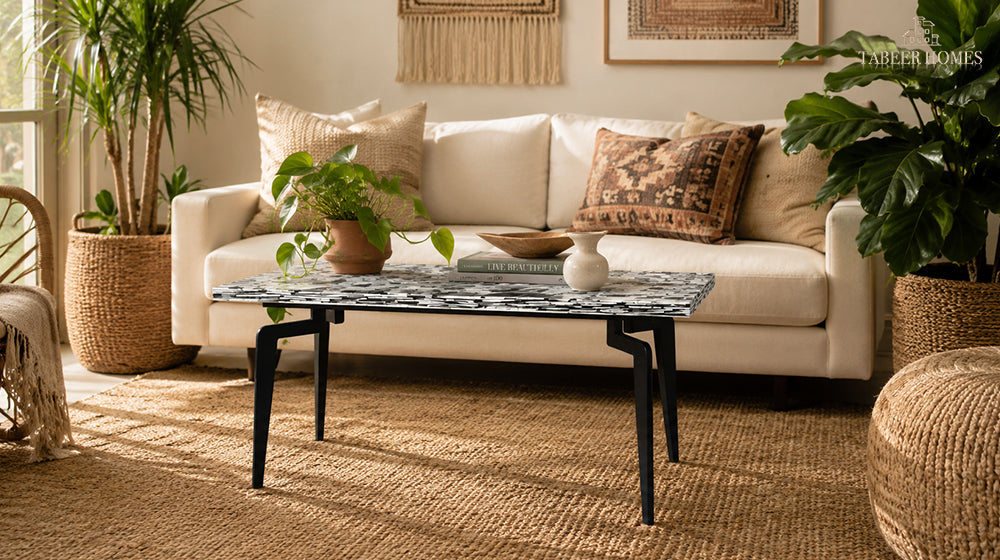
Dubai's interiors lean heavily toward floor-to-ceiling glass, open-plan layouts, and abundant natural light, whether in a Downtown tower or a Palm Jumeirah villa, and that light-forward architecture is precisely where mother of pearl's shimmer performs best. Unlike a flat-finish material, mother of pearl catches and shifts light throughout the day, making it a natural fit for homes designed around large windows and bright, reflective interiors rather than the more subdued lighting common in older or more traditional home styles. The city's strong expat and design-conscious luxury market has also made handcrafted, artisan-made furniture, whether in inlay furniture Dubai collections or other craft categories, an increasingly common way for homeowners to differentiate their interiors from the mass-produced pieces available in mainstream retail.
Where Dubai Buyers Typically Shop for Mother of Pearl Furniture
Dubai's furniture landscape is organized into a handful of distinct precincts, each suited to a different kind of shopping trip. Al Quoz Industrial Area functions as the city's unofficial home decor headquarters, a dense concentration of warehouses and showrooms that makes comparing multiple pieces in a single visit genuinely efficient, often at lower overhead-driven prices than mall-based retail. Dubai Design District, known locally as d3, houses more than twenty boutique and luxury homeware retailers in a single curated zone, better suited to design-conscious buyers researching high-end, statement furniture than to bargain comparison shopping. Sheikh Zayed Road adds another concentration of showrooms, some carrying international brands not represented at d3, while Jumeirah hosts smaller boutique galleries and bespoke ateliers for buyers seeking a more personalized, one-on-one shopping experience. Traditional souks in older parts of the city, while not typically a source for handcrafted inlay furniture specifically, remain worth mentioning as part of Dubai's broader furnishing and decor landscape for buyers sourcing textiles or smaller decorative accessories alongside larger furniture purchases. Many Dubai buyers combine online research with an in-person visit to one of these districts, narrowing options digitally before confirming texture, scale, and finish in person, particularly important for a material like mother of pearl whose shimmer genuinely reads differently in person than in a product photo.
Dubai's Climate and What It Means for Mother of Pearl Furniture Care
Dubai's climate presents a specific set of care considerations that buyers in cooler, less sun-intensive cities rarely need to think about. Intense year-round sunlight, especially through the large glass windows common in modern Dubai apartments and villas, means a mother of pearl piece placed directly in a sun path faces more sustained UV exposure than the same piece would in a more moderate climate, making thoughtful placement away from direct afternoon light more important here than almost anywhere else. Constant air conditioning, necessary for most of the year, also creates a drier indoor environment than the humid outdoor air, and this indoor-outdoor humidity swing can affect the wood base and resin bond over time if a piece sits too close to a vent. Summer months bring the most extreme version of this contrast, when outdoor humidity and heat peak while indoor spaces run air conditioning at their most aggressive settings, making seasonal placement checks, confirming a piece has not drifted closer to a vent or window over time, a reasonable habit for Dubai homeowners rather than a one-time setup decision. Dusting with a soft, dry microfiber cloth weekly, keeping pieces at least a short distance from direct AC airflow, and avoiding placement in a window's direct sun path for extended periods all matter more in Dubai's specific climate than they might in a description written for a more temperate market.
Villa Vs Apartment: Choosing Pieces That Fit Dubai Homes
Dubai's housing stock splits fairly cleanly between high-rise apartments and larger villa communities, and the right mother of pearl piece often depends heavily on which category a home falls into. Apartment living in towers across Downtown, Dubai Marina, or Business Bay typically means smaller footprints and a premium on multi-functional furniture, favoring compact statement pieces like a coffee table, a nightstand, or a decorative accent over an oversized sideboard that would overwhelm the space. Villa living in communities like Arabian Ranches, Emirates Hills, or Jumeirah Golf Estates generally offers more room to work with, including a dedicated majlis in many homes, and supports luxury furniture Dubai buyers looking for larger statement pieces, a full dining table, a wide sideboard, or matched cabinet pairs positioned along a majlis perimeter. Buyers furnishing a majlis specifically benefit from prioritizing scale and durability under regular guest traffic, while apartment buyers generally get more value from one or two well-chosen accent pieces than from attempting to replicate a villa-scale furniture plan in a smaller footprint. Move-in timelines also differ between the two housing types in practice, since villa buyers furnishing a newly built home often plan furniture purchases months in advance alongside broader interior design work, while apartment buyers relocating into an existing tower unit more frequently need pieces on a shorter, more immediate timeline, a distinction worth factoring into whether a ready-to-ship or made-to-order piece makes more sense for a given move.
Custom and Personalized Pieces for Dubai's Design-Conscious Buyers
Dubai's design-forward market, reinforced by the presence of d3 and its concentration of interior design professionals, has made customization a genuinely common expectation rather than a premium add-on for many local furniture buyers. Many workshops producing mother of pearl and bone inlay pieces for the Dubai market offer adjustments to dimensions, color palette, and pattern density, useful for buyers matching a piece to a specific wall, an existing color scheme, or a designer's broader vision for a room. This is particularly relevant for villa buyers working with an interior designer on a full home fit-out, where a single off-the-shelf piece rarely matches every constraint of a custom-built space, and for majlis furnishing specifically, where matching pattern and scale across multiple pieces, a cabinet, a coffee table, and decorative accents, benefits from coordinated customization rather than assembling unrelated stock items. Custom orders generally extend production timelines beyond a standard pre-order piece, so buyers working toward a fixed move-in or renovation date should confirm lead times explicitly before committing to a bespoke design.
Mother of Pearl Vs Bone Inlay: Which Fits Dubai's Design Trends?
Dubai's interiors span everything from ornate, traditionally influenced majlis spaces to sleek, minimalist tower apartments, and the choice between mother of pearl and its closest material relative, bone inlay, often tracks which end of that spectrum a specific home leans toward. Mother of pearl's glossy shimmer suits the light-forward, contemporary aesthetic common in many Dubai apartment interiors, where floor-to-ceiling glass and neutral palettes benefit from a material that adds movement without adding visual weight. Bone inlay's bolder, matte contrast tends to suit more traditional or maximalist villa interiors, where rich textiles and darker wood tones already establish a strong pattern language that bone inlay's graphic quality complements more naturally than mother of pearl's softer glow. Neither material is inherently more suited to Dubai as a market, and many buyers ultimately use both across different rooms of the same home, mother of pearl in a light-filled living room, bone inlay in a more formal, traditionally styled majlis.
What to Look For: An Authenticity Checklist
Whichever district or platform you shop through, the same core checks apply to any genuine mother of pearl piece. Look for natural, slight irregularities in the shell pattern, since perfectly uniform spacing suggests a printed or molded imitation rather than hand-set work. Confirm the base material is solid wood, typically mango wood, rather than particleboard or a composite substitute. Ask directly about sourcing and production process, since a workshop genuinely producing handcrafted inlay should answer confidently rather than deflecting. For the complete version of this checklist, including specific questions to ask any UAE seller before ordering, our full guide on where to buy mother of pearl and bone inlay furniture in the UAE covers the vetting process in more depth than a Dubai-specific overview needs to repeat.
Delivery and Lead Times When Buying in Dubai
Timing expectations vary significantly depending on whether a piece is ready-to-ship or made to order, and Dubai's dense, well-connected logistics network generally makes in-city delivery straightforward once a piece is actually ready. Ready-to-ship inlay pieces typically dispatch within one to three working days of order confirmation, with same-city delivery across Dubai usually completing quickly given the relatively compact geography connecting most residential areas. Pre-order or fully custom pieces, produced only once an order is confirmed, commonly take six to ten weeks from confirmation to delivery, since the hand-carving and setting process cannot be accelerated regardless of how close the final delivery address is. Buyers relocating within the wider UAE, moving between Dubai and Abu Dhabi or Sharjah, for instance, generally face simpler logistics than an international shipment, though larger pieces still benefit from confirming that white-glove delivery and in-home placement are included rather than assumed.
Price Expectations for Mother of Pearl Furniture in Dubai
Dubai's furniture market spans an unusually wide price range even within genuinely handcrafted mother of pearl pieces, and understanding the general tiers helps set realistic expectations before browsing either Al Quoz warehouses or d3 boutiques. Small decorative accents, boxes, trays, and small mirrors, sit at the most accessible end of the range, offering a lower-cost way to experience the material before committing further. Mid-size pieces like side tables, coffee tables, and nightstands occupy a middle tier, while larger statement furniture, sideboards, dining tables, and cabinets sized for a majlis, command the highest prices given the volume of hand-set shell material and labor time involved. Within any size category, denser floral patterns generally cost more than simpler linear or geometric designs, since pattern complexity drives labor time more directly than a piece's physical dimensions.
Best Rooms in a Dubai Home for Mother of Pearl Furniture
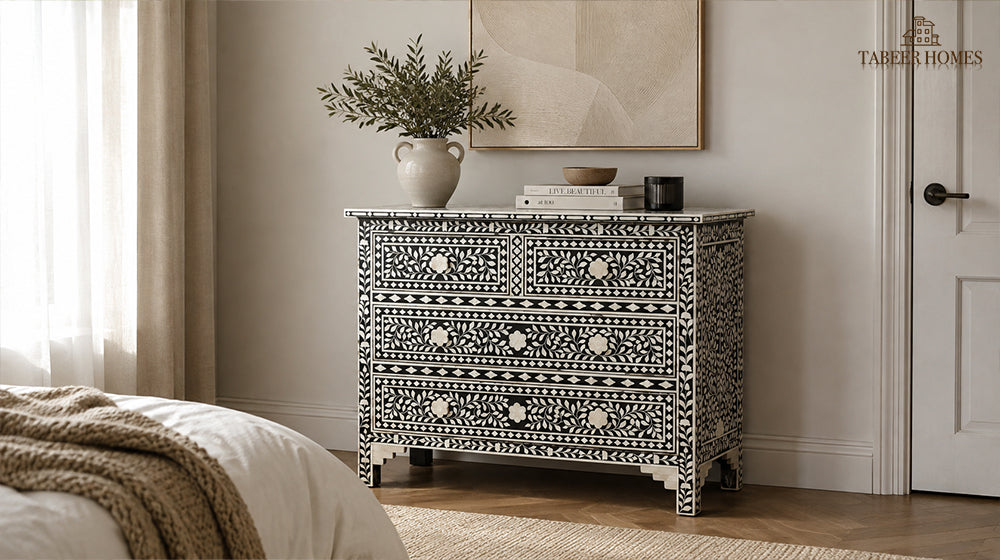
Certain rooms in a typical Dubai home make better use of mother of pearl's specific qualities than others. A majlis benefits from the material's shimmer catching evening lighting during gatherings, particularly on larger cabinet or coffee table surfaces positioned where guests spend the most time. A dining room sideboard or buffet reflects candlelight and overhead fixtures back into the room during meals, adding brightness to a space that otherwise relies heavily on artificial lighting once natural daylight fades. A living room coffee table or side table sees the most consistent daily interaction of any placement, making it a strong choice for buyers who want to experience the craft as part of everyday life rather than only during formal occasions. Bedrooms and entryways round out the list, with a mother of pearl nightstand or console offering a smaller, more intimate application of the same shimmer at a scale suited to a more private space. Balconies and outdoor majlis areas, common in many Dubai villas, are generally not suitable placements for genuine inlay furniture regardless of room type, since prolonged direct sun and heat exposure outdoors accelerates wear on both the resin bond and the shell's natural iridescence far faster than any indoor placement would.
Bringing It All Together
Buying mother of pearl furniture in Dubai comes down to matching the right piece to the right home, an apartment favoring compact accents, a villa favoring statement scale, while applying the same authenticity checks regardless of which district or platform you ultimately buy through. Dubai's specific climate, intense sun, constant air conditioning, adds a layer of care consideration worth factoring into placement decisions from the start rather than discovering after the fact. Buyers who take the time to walk a showroom in Al Quoz or d3 before finalizing an online order, or who ask a workshop directly about sourcing and production timelines, consistently end up with a better match between expectation and reality than those who buy on price or photos alone. Tabeer Homes is one of several workshops producing handcrafted mother of pearl and bone inlay furniture available to Dubai buyers, offering both ready-to-ship and made-to-order pieces suited to apartments, villas, and majlis-scale spaces alike. Whichever seller you choose, applying the sourcing, material, and timeline checks covered here will do more to protect your purchase than shopping by district or price point alone.
Frequently Asked Questions
Where can I buy genuine mother of pearl furniture in Dubai?
Dubai's main furniture districts include Al Quoz Industrial Area for warehouse-style showrooms, Dubai Design District (d3) for boutique and luxury retailers, and Sheikh Zayed Road for additional showroom concentration, alongside online retailers specializing in handcrafted inlay furniture.
Does Dubai's climate affect how mother of pearl furniture should be cared for?
Yes. Intense year-round sunlight through large windows and constant air conditioning both affect placement decisions, making it important to keep pieces away from direct sun paths and AC vents to protect the finish and resin bond over time.
Is mother of pearl furniture better suited to a Dubai villa or apartment?
Villas generally suit larger statement pieces like sideboards and majlis-scale cabinets, while apartments benefit more from compact accent pieces like coffee tables, nightstands, or decorative boxes given typically smaller footprints.
How long does delivery take for mother of pearl furniture in Dubai?
Ready-to-ship pieces typically arrive within one to three working days, while pre-order or custom pieces commonly take six to ten weeks from order confirmation, regardless of how close the delivery address is within the city.
What should I check before buying mother of pearl furniture in Dubai?
Look for natural irregularities in the shell pattern, confirm the base is solid wood rather than composite material, and ask directly about sourcing and production process before finalizing a purchase.
Is mother of pearl furniture expensive in Dubai compared to other UAE cities?
Pricing is driven more by piece size and pattern complexity than by city, so a comparable piece typically costs similarly whether purchased in Dubai, Abu Dhabi, or elsewhere in the UAE, though local showroom overhead can create some variation.

Leave a comment
This site is protected by hCaptcha and the hCaptcha Privacy Policy and Terms of Service apply.