




A thoughtfully designed living room is more than just a seating space. It is where conversations unfold, guests gather, and everyday moments feel relaxed and welcoming. While sofas and coffee tables often receive the most attention, side tables in living rooms quietly play an essential role in shaping both comfort and movement.
These compact living room pieces help organize essentials, balance visual design, and create a smoother flow within the seating area. When chosen carefully, they enhance both style and function without overwhelming the room.
How do side tables enhance comfort and flow in modern living rooms, especially in homes across the UAE, where design, luxury, and practicality often intersect?
Why Are Side Tables Essential in a Well-Designed Living Room?
Side tables may appear small, yet their influence on daily comfort is significant. Placed beside sofas or lounge chairs, they provide a convenient surface for items you frequently reach for, such as books, lamps, beverages, or decorative accents.
Without these tables, everyday living becomes slightly less convenient. Guests must lean forward to reach a distant coffee table, or items end up placed on the floor or sofa armrests.
By adding side tables for living room areas, you create accessible surfaces that make the space more functional while preserving its elegance.
Beyond practicality, they also contribute to practical décor by helping anchor seating arrangements and visually balancing larger pieces of furniture.
How Do Side Tables Improve Comfort in Seating Areas?
Comfort in a living room often depends on convenience. If essential items are within reach, people can relax without constantly shifting positions.
Side tables offer several comfort-enhancing benefits:
- Easy access to essentials such as drinks, remotes, books, or phones
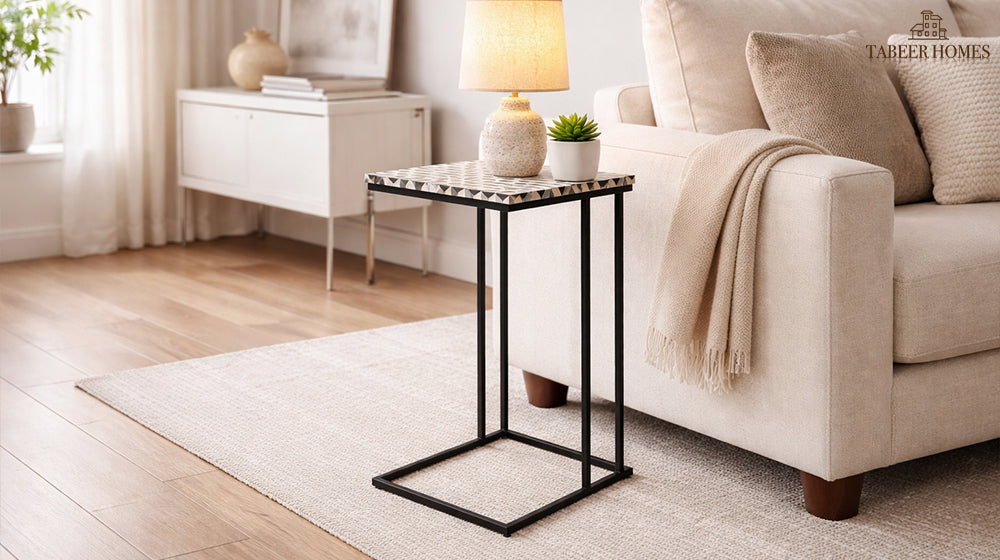
- Support for lighting, allowing table lamps to create a soft evening ambiance
- A surface for décor, including candles, small plants, or sculptures
- Personal space for guests, making seating areas feel more accommodating
In UAE homes where hospitality is valued, these tables make hosting more effortless. Guests can comfortably place their belongings nearby without cluttering shared surfaces.
Can Side Tables Improve the Flow of Your Living Room Layout?
Absolutely. Flow refers to how easily people move through a space without obstacles or awkward gaps.
Strategically placed side tables for living room arrangements help define seating zones without blocking pathways. They create subtle boundaries between chairs, sofas, and walkways while keeping the room visually open.
Interior designers often use side tables to:
- Bridge the space between seating pieces
- Prevent furniture from feeling disconnected
- Maintain balance within large seating arrangements
- Provide functional surfaces without adding bulk
This approach is particularly effective in spacious villas and apartments across the UAE, where open-plan layouts benefit from clearly defined yet flexible living areas.
How Do Side Tables Support Stylish Sofa Arrangements?
Many homeowners search for creative sofa styling ideas that feel polished yet effortless. Side tables play a central role in achieving that balance.
Rather than relying only on a central coffee table, adding side tables allows you to style each seating zone individually. This approach creates visual depth and a layered design.
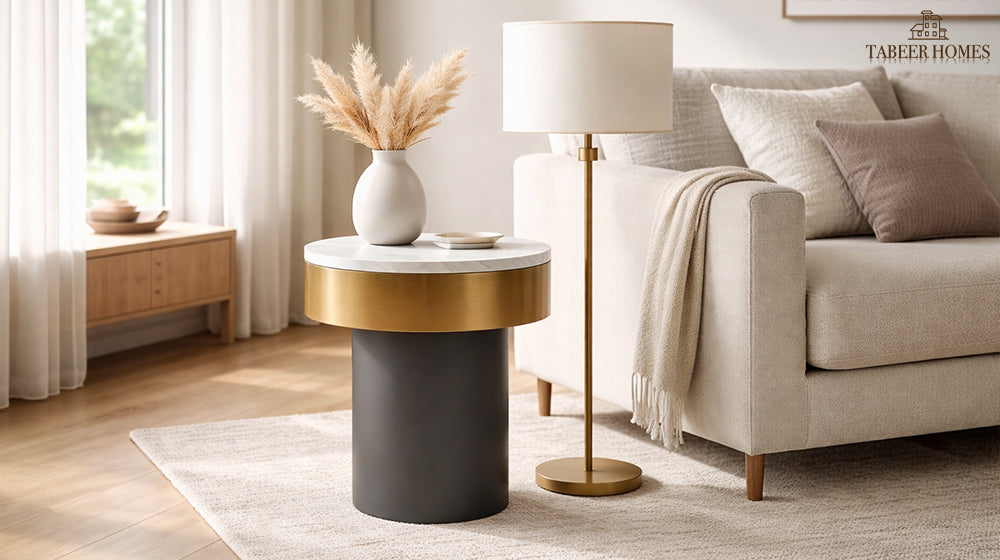
For example, a side table next to a sofa can hold a small lamp and a decorative tray. Next to an armchair, another table might display books or a sculptural accent.
These subtle variations bring personality into the space while maintaining harmony across the room.
What Styles of Side Tables Work Best in Modern Living Rooms?
Selecting the right side table depends on both the room’s layout and the overall interior style.
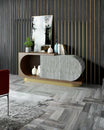
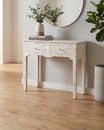
In UAE homes, where interiors often blend contemporary elegance with comfort, several styles stand out:
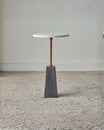
Minimalist Metal Tables
Slim metal frames with marble or glass tops suit modern apartments and create a refined appearance.
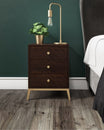
Wooden Accent Tables
Natural wood tables introduce warmth and complement neutral living room furniture.
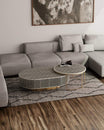
Nesting Tables
These space-saving options allow flexibility. They can be separated for entertaining or tucked together when not needed.
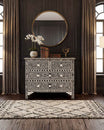
Sculptural Statement Tables
Unique shapes or artistic bases add personality while still serving as practical décor.
Each style offers both functional and aesthetic value, making side tables a versatile addition to almost any living room design.
How Can You Choose the Right Size and Placement?
Selecting the right dimensions is key to maximizing both comfort and flow.
Interior designers often recommend that the height of a side table align closely with the sofa armrest. This ensures items can be reached naturally without leaning.
Consider these placement guidelines:
- Position the table within easy reach of seating.
- Avoid blocking main walkways.
- Leave enough breathing space between furniture pieces.
- Balance the layout by placing tables symmetrically when possible.
When incorporated thoughtfully, side tables for living room spaces feel like a natural extension of the seating arrangement rather than an afterthought.
How Do Side Tables Contribute to Practical Décor?
Decorating a living room is about more than visual appeal; it is about creating a space that supports everyday life.
Side tables offer an ideal platform for small yet impactful decorative elements.
Popular practical décor choices include:
- A table lamp for soft lighting
- A small indoor plant for freshness
- Decorative trays to organize essentials
- Books or magazines for relaxed browsing
- Candles or fragrance diffusers for ambiance
These additions elevate the room’s atmosphere without requiring large decorative pieces.
By styling side tables thoughtfully, homeowners can express personal taste while keeping surfaces tidy and purposeful.
Are Side Tables Useful for Small Living Rooms?
Many people assume that smaller spaces should avoid additional furniture. However, side tables can actually improve efficiency in compact rooms.
Slim or nesting designs take up minimal space while adding valuable functionality. Instead of crowding the center of the room with a large coffee table, placing smaller tables beside seating areas often creates better flow.
In apartments across Dubai and Abu Dhabi, designers frequently recommend lightweight side tables to maintain openness while supporting daily activities.
In this way, side tables for living room designs can help maximize both comfort and usability, even in limited spaces.
Conclusion
A well-designed living room balances comfort, elegance, and functionality. While sofas and coffee tables often dominate the design conversation, side tables for living room spaces play an equally valuable role.
They provide convenient surfaces, improve movement within the room, and support thoughtful styling. Whether used to display décor, hold a lamp, or simply keep essentials nearby, these tables bring both beauty and practicality to seating areas.
By incorporating carefully chosen side tables into your layout, you can transform the living room into a space that feels more organized, welcoming, and visually balanced.
For homeowners across the UAE, where refined interiors and hospitality are central to home design, side tables remain a timeless and essential addition to any living room.
Transform your living space with thoughtfully designed furniture from Tabeer Homes. Explore our elegant collection of side tables that blend comfort, style, and practical décor. Discover pieces that elevate your living room and create a welcoming atmosphere for everyday living. Visit Tabeer Homes today and bring refined design into your home.
FAQs
1. Why are side tables important in a living room?
Side tables provide convenient surfaces next to seating areas. They hold everyday essentials like lamps, drinks, or books while helping organize the room. Their placement also improves flow by balancing furniture arrangements and making living spaces more comfortable and practical.
2. What height should side tables be next to a sofa?
Ideally, side tables should be close to the height of the sofa armrest. This makes it easier to place or reach items comfortably. Proper height alignment also improves visual balance within living room furniture arrangements.
3. Can side tables replace coffee tables?
In some layouts, especially small living rooms, side tables can replace large coffee tables. Multiple small tables provide flexibility, improve movement within the room, and support practical décor without overcrowding the center space.
4. What materials work best for side tables?
Popular materials include wood, metal, marble, and glass. Wooden tables add warmth, while metal or marble designs create a more luxurious feel. The best option depends on your overall interior style and existing living room furniture.
5. How can I style side tables effectively?
Effective styling often includes a mix of functional and decorative items. A table lamp, small plant, decorative tray, or books can enhance visual appeal while maintaining usability. Balanced styling helps support overall sofa styling ideas and living room design.


Leave a comment
This site is protected by hCaptcha and the hCaptcha Privacy Policy and Terms of Service apply.