


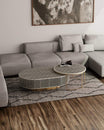


A side table is easy to underestimate until you are actually living with the wrong one, too tall beside a low sofa arm, too wide for the gap it needs to fill, or finished in a stone tone that fights with everything else in the room. A marble side table solves the basic function, a surface within reach of a chair or bed, but marble's natural variation, weight, and finish options mean the decision involves more genuine choices than picking any small table off a shelf. This guide walks through the practical decisions, size, shape, marble type, and base material, that separate a side table that quietly earns its place from one that never quite feels right.
Why Marble Works So Well as a Side Table Material
Marble brings a combination of durability and visual quality that few other materials match at a small furniture scale. Its polished surface resists everyday wear better than many finishes, standing up to regular contact with drinks, books, and decor objects without the surface scratches or dents that a softer wood finish might show over time.
Every marble slab also carries unique natural veining, meaning no two marble accent table pieces are ever fully identical, a quality that reads as genuine luxury rather than a mass-produced, uniform finish. Because marble is a naturally cool, dense stone, a marble-topped table also has a distinct tactile quality, noticeably cooler to the touch than wood or laminate, that adds a subtle sensory dimension most buyers do not consider until they encounter it in person.
Choosing the Right Size for a Small Marble Table
Side tables generally fall into a narrower size range than coffee tables or consoles, and getting the proportions right matters more than it might seem for a piece this modest in scale. A small marble table intended for beside a sofa or armchair typically works best between 45 and 60 cm in height, roughly matching or sitting slightly below the arm height of the seating it accompanies, so a drink or book stays within easy reach without needing to lean over. Width and depth for this use case generally run 35 to 50 cm, small enough to tuck into a gap beside furniture without disrupting the room's walking clearance. A round tabletop between 30 and 40 cm in diameter suits a tight corner particularly well, while a slightly larger square or rectangular top, up to 50 cm on a side, offers more usable surface for a reading lamp and a stack of books together.
Marble Bedside Table Sizing: A Slightly Different Calculation
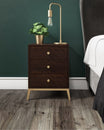
A marble bedside table follows a different sizing logic than a living room side table, since its height needs to relate directly to the mattress rather than to a sofa arm. Ideally, the tabletop should sit within a few centimeters of the mattress top, allowing comfortable reach for a lamp, phone, or glass of water without requiring you to sit up or lean over. Most mattress and bed frame combinations put this height somewhere between 55 and 70 cm, though checking your specific setup matters more than relying on a general average, since bed frame height varies considerably between platform beds, upholstered frames, and traditional box spring setups.
Depth also matters more for a bedside table than a living room side table, since a table positioned too close to the bed can interfere with getting in and out, while one positioned too far away undermines the entire point of having it within arm's reach. Weight becomes a practical consideration here too: since marble is considerably heavier than wood, a bedside table gets bumped or nudged far less accidentally than a lighter alternative might during the daily routine of getting in and out of bed, an underappreciated advantage in a household with limited space on either side of the mattress where furniture inevitably gets brushed against.
Round Vs Square Vs Sculptural Shapes
Shape affects a marble side table's role in a room as much as its size does. A round table works well in tight corners and beside curved seating, offering no sharp edges to navigate around and a softer visual presence than an angular alternative. A square or rectangular table suits a room with more structured, angular furniture, and its flat edges make it easier to push flush against a sofa arm or wall when floor space is limited. Beyond these two standard shapes, a growing category of sculptural marble side tables pairs a simple marble top with a more artistic base, a slender metal stem, an asymmetric stone pedestal, or a geometric frame, turning the table into a genuine decorative object rather than a purely functional surface.
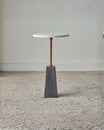
Tabeer Homes' Ava Side Table in white marble demonstrates this sculptural approach directly, pairing a clean marble top with a slender copper-toned stem over a charcoal stone base, balancing strength and subtlety in a compact footprint suited to tight corners or bedside use. Choosing between these shapes often comes down less to the room's overall style and more to how the table will actually be used: a round top offers a slightly more generous surface for its footprint since there are no unused corners, while a square top makes better use of a genuinely tight space by fitting flush against two adjoining walls or furniture edges at once.
Marble Color and Veining: What to Expect
White marble remains the most common choice for side tables, prized for its bright, versatile base tone that suits nearly any room palette, though the specific veining pattern varies considerably between individual slabs even within the same marble type. Because marble is a natural stone rather than a manufactured material, no product photo can guarantee the exact veining pattern of the specific piece that arrives at your door, a detail worth expecting rather than treating as a defect if your table's pattern differs slightly from the image you browsed.
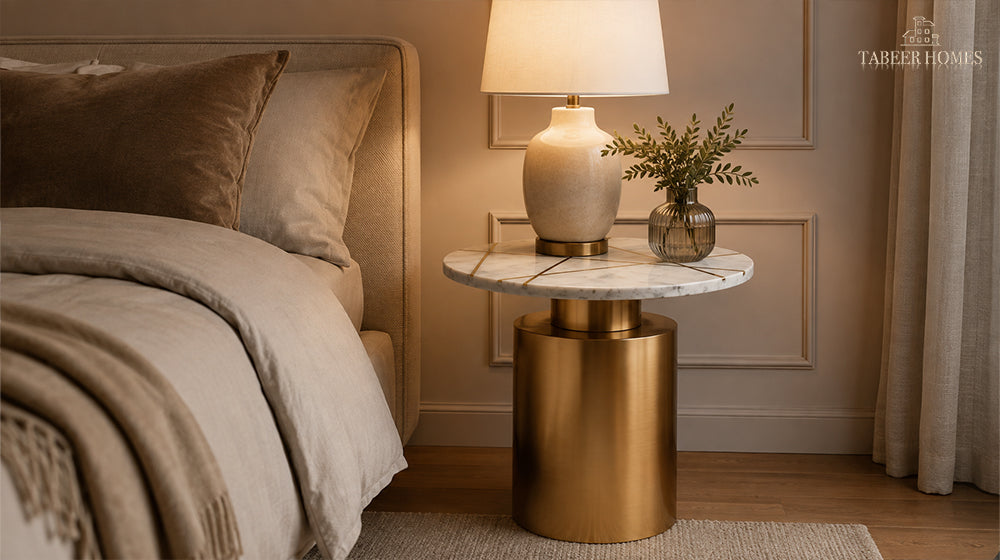
Darker marble variants, including black or grey-toned stone, offer a bolder alternative for rooms built around a moodier palette, though these tend to show dust and fingerprints more visibly than white marble and may require slightly more frequent surface cleaning to maintain the same polished look. Some marble also carries warmer undertones, cream, beige, or subtle gold-flecked variations, which pair particularly well with brass or gold-finished bases and warmer overall color schemes, offering a middle ground between stark white and the boldest dark stone options for buyers who want something distinctive without committing to a full black or charcoal palette.
Base Materials: Metal, Stone, or Mixed Pairings
The base beneath a marble tabletop shapes the table's overall character as much as the stone itself. A slender metal base, in brass, copper, or black-finished steel, adds a lighter, more contemporary feel and tends to suit smaller side tables particularly well, since a delicate base keeps a compact table from feeling visually heavy. A solid stone or clad marble base, matching or contrasting the tabletop, creates a more substantial, grounded presence, better suited to a table meant to read as a genuine furniture statement rather than a purely functional accent. Mixed-material bases, combining metal and stone in the same piece, split the difference, offering some of a stone base's visual weight with a metal accent's lighter detailing, a combination increasingly common in contemporary marble side table designs.
Where a Marble Side Table Works Best
A side table marble piece earns its place in several specific spots around a home. Beside a sofa or armchair, it becomes the most-used surface in the living room for drinks, remotes, and reading material. As a bedside table, it pairs function with a cooler, more substantial feel than a typical wood nightstand. In an entryway, a small round marble table can serve as a compact catch-all surface where a full console would overwhelm the space. Beside a bathtub or in a spa-style bathroom corner, marble's water resistance makes it a particularly practical choice compared to wood, which can warp or stain with repeated moisture exposure over time. A marble side table also works well as a plant stand for a larger potted plant, since its weight and stability suit a taller, top-heavy plant better than a lighter table that might tip under an uneven load, and its water-resistant surface tolerates the occasional overflow from watering far better than an unsealed wood alternative would.
Caring for a Marble Side Table
Marble is durable but not indestructible, and a few care habits keep its polished finish looking new for years rather than developing dull spots or etching.
- Use coasters for drinks , particularly acidic beverages like citrus juice, coffee, or wine, since these can etch marble's surface if left standing.
- Wipe spills promptly with a soft, dry cloth rather than leaving liquid to sit, even briefly, on the polished surface.
- Avoid abrasive or acidic cleaning products , including vinegar-based cleaners, which can dull marble's natural shine over repeated use; a pH-neutral stone cleaner or simply a damp cloth is generally sufficient.
- Reseal periodically if recommended by the manufacturer , since a sealant helps marble resist staining, though well-finished furniture-grade marble typically requires this less frequently than kitchen countertop marble subject to heavier daily use.
- Use furniture pads under any decor objects left long-term , since prolonged, undisturbed contact with certain materials can occasionally leave faint marks on a polished surface over extended periods.
Pairing a Marble Side Table With Existing Furniture
A marble side table rarely needs to match every other piece in the room exactly, and in most cases a slight contrast produces a more considered result than an overly matched set. Against a wood-heavy living room, a white marble table with a metal base introduces welcome material contrast, breaking up an otherwise uniform palette of wood tones without clashing with it.
Against a room already built around metal and glass, a marble table with a stone or clad base tends to feel more cohesive than one with another slender metal stem, since too many thin metallic legs in one room can start to feel visually busy rather than deliberately layered. Bedside, pairing a marble table with an upholstered or fabric-covered bed frame creates a similar material contrast, cool stone against soft textile, that reads as more intentional than defaulting to a matching wood nightstand simply because the bed frame itself is wood. As with most furniture pairing decisions, repeating just one element, the base metal finish, a shared color note, or a similar overall silhouette, across a side table and its neighboring furniture is usually enough to tie the room together without requiring a fully matched set.
Common Mistakes When Buying a Marble Side Table
A handful of avoidable errors account for most of the regretted purchases in this category.
- Choosing size based on the table alone, ignoring the furniture it sits beside. A beautiful marble side table that sits noticeably taller or shorter than the sofa arm or mattress it accompanies undermines its own usefulness regardless of how attractive the stone looks.
- Expecting an exact match to a product photo's veining pattern. Since every marble slab is unique, treating the photographed piece as a precise preview rather than a general style reference avoids disappointment when the actual veining differs.
- Underestimating weight during placement planning. Marble is considerably heavier than wood or metal alternatives of the same size, worth confirming before assuming a table can be easily repositioned once placed, particularly relevant for upper-floor apartments with weight-sensitive flooring in older buildings.
- Skipping the base stability check for a sculptural design. A slender or asymmetric base looks striking but should be confirmed as genuinely stable under the tabletop's weight, particularly in households with children or pets who might bump into furniture more forcefully than an adult typically would.
Bottom Line
A marble side table earns its place through a combination of durability, natural beauty, and genuine daily function, whether positioned beside a sofa, a bed, or in a compact entryway corner. Getting the size right relative to the furniture it accompanies matters more than any other single decision, followed by choosing a base material and shape that suit both the room's existing style and how the table will actually be used day to day.
Taking the time to measure the exact gap the table needs to fill, and confirming its weight and base stability before ordering, prevents the two most common disappointments in this category: a table that never quite matches its intended spot, and one that arrives heavier or less mobile than expected once actually in the room. Tabeer Homes' Ava Side Table in white marble shows how a compact, sculptural design can bring genuine detail to a small footprint, while the Kazi Side Table , also in white marble, offers an alternative silhouette within the same material family for buyers comparing options before committing. For more on why marble specifically holds up so well as furniture material over time, Tabeer Homes' existing guide on marble side tables and their blend of elegance and durability covers the material's core advantages in more depth.
Frequently Asked Questions
What size should a marble side table be?
A living room side table typically works best at 45 to 60 cm tall and 35 to 50 cm wide, roughly matching the arm height of nearby seating, while a bedside version should sit within a few centimeters of your mattress height.
Is marble a good material for a bedside table?
Yes. Marble's durability and cool, polished surface hold up well to daily use, including drinks, phones, and lamps, making it a practical and attractive choice for a nightstand.
Does a marble side table need special care?
Marble is durable but can etch from acidic spills like citrus or wine, so using coasters, wiping spills promptly, and avoiding abrasive cleaners keeps the surface looking polished over time.
Will my marble side table look exactly like the product photo?
Not exactly. Marble is a natural stone with unique veining in every slab, so treat product photos as a general style reference rather than an exact preview of your specific piece's pattern.
Is a round or square marble side table better for a small space?
A round table generally suits tight corners and curved seating better, since it has no sharp edges to navigate around, while a square table offers more flat-edge flexibility against a wall or sofa arm.
How heavy is a marble side table compared to other materials?
Marble is considerably heavier than wood or metal alternatives of similar size, which adds stability but also means the table is less easily repositioned once placed in a room.

Leave a comment
This site is protected by hCaptcha and the hCaptcha Privacy Policy and Terms of Service apply.